

Fall Is Tree Planting Time: Choosing the Best Trees for Your Yard
With fall tree planting season soon arriving, it’s time to choose some new additions for your landscape. The next few weeks are the ideal time to plant trees in your yard.
“September and October are the best planting months for trees,” says Tammy Sons of the Tree Nursery Company. “Autumn has mild planting days with fewer pests, which allows trees to more easily establish themselves,” says Sons. “Get your trees in the ground now, and they’ll put down a strong root system prior to the winter months, resulting in healthy, vibrant growth come spring.” The options are many when it comes to deciding what trees to plant in your yard. Here are three general categories to get you started on planning an attractive landscape full of robust trees. Shade trees. With their fluid, sweeping forms and ability to provide coverage to humans and wildlife, shade trees are a must have in every yard. Well-placed shade trees are an environmentally responsible choice, as they can substantially reduce the need for air-conditioning in nearby buildings. The best location for planting shade trees is the west side of the home or yard, as this receives the harshest and hottest of the sun’s rays. Some popular shade trees to consider include maple, willow, black gum, green ash, sycamore, beech, box elder, oak, cottonwood, sourwood, sweetgum, hackberry, poplar, locust, paw paw, birch, aspen and planetree. Flowering trees. Blooms in the yard are always a welcome sight, and they’re especially striking when they cover the expanse of a tree’s canopy. Many flowering trees provide a stunning display of blooms for a month or longer each year. For maximum impact, locate blooming trees where you can see them from either inside your house or from the street. Eye-catching flowering trees to include in your yard include dogwood, crepe myrtle, tulip poplar, Cleveland pear, redbud, red buckeye, serviceberry, mimosa, cherry, cassia and crabapple. Conifers. Easy to maintain and generally evergreen, conifers give a woodsy feel to any yard. They also offer a chance to create a fast-growing privacy hedge or screen, and they’re great at buffering noise. Some are also excellent candidates for topiary. Locate these trees anywhere you wish to create a forest feel. Various conifers that make good additions to the yard include pine, hemlock, cedar, fir, spruce, cypress, yew and juniper. Before choosing a tree for your yard, keep a few things in mind. First, make certain you have the space for whatever tree you choose. Trees are like puppies. They look cute and small when they are young, but they do grow and will take up more and more room. Consider the eventual size of the tree in relation to your property. Also make certain that the tree is the right one for your climate. Evergreen or deciduous? As their name suggests, evergreen trees stay green throughout the year. This is a bonus if the area in which you want the tree requires year-round coverage and shade. (Note that evergreen isn’t synonymous with no leaf litter. Evergreen trees drop leaves all year). Deciduous trees, on the other hand, shed most of their leaves once a year—generally in the fall. They remain bare throughout the late fall and winter months. A deciduous tree is an ideal choice for an area that you want shaded in summer and warmed by the sun’s rays in winter, such as near your home. Many deciduous trees are also show-stoppers with their eye-catching displays of colorful fall foliage



 Julie Bawden-Davis is a garden writer and master gardener, who since 1985 has written for publications such as Organic Gardening, Wildflower, Better Homes and Gardens and The Los Angeles Times. She is the author of seven books, including
 Use correctly. “Understand the purpose of the tool and use accordingly,” says Meinzer. “Don’t use a shovel as a pry bar to remove large rocks or tree stumps. You are going to break it no matter how well it is built.”
Using tools as they’re designed also protects you physically. “Leverage the power of the tool and protect your back,” advises Meinzer. “When digging a trench, for instance, stand above the trench and bend over and dig. To lift out the dirt, put one foot down in the trench and the other foot on top and use your legs to lift and move the dirt. Hand placement is also important. Place one hand down low by the tool head when lifting dirt or heavy loads with a shovel, which gives you leverage. Then use your legs to lift up and move the dirt. When raking, move one hand down lower on the handle to get more leverage and create more force.”
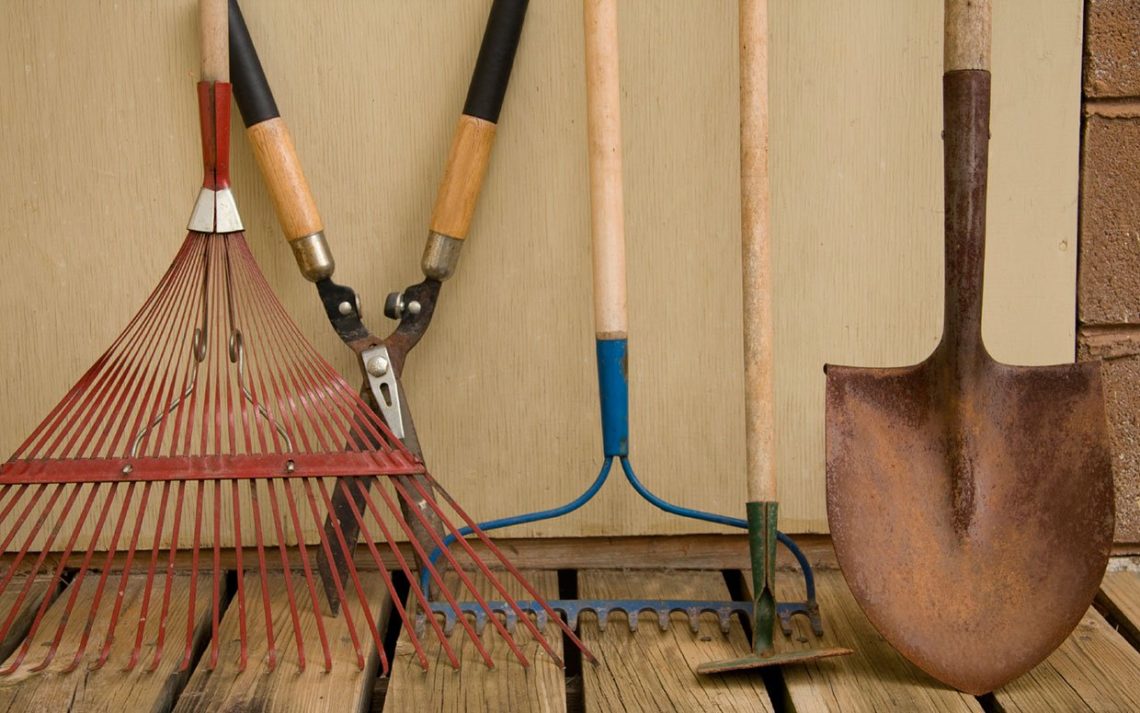
Compile a complete tool chest. Being able to use the correct tool requires that you have a variety from which to choose. A versatile garden tool chest includes a shovel, spade, rake, pitchfork, hoe, pick, trowel, weeder, lopper, pole pruner, shears and scissors.
Maintain. Proper maintenance is the key to tools that work well and stand the test of time. “The most important thing you can do is to clean them after use,” says Meinzer. “A simple wash with water is all you need to do. Also dry them—otherwise non-powder coated tool heads and many wooden handles will deteriorate more quickly.” Further protect your tools by storing them away from sun and moisture, and always put them in the same location every time so you can find them when you need them.
Keep them sharp. Many gardening tools—hoes, scissors, pruners, shovels, shears—need sharpening periodically. Wipe blades down with a metal lubricant/protectant and then use a 10-inch flat mill file to sharpen. File at a 20 to 25 degree angle, following the original bevel. To create a fine edge, finish the job with a whetstone.
Use correctly. “Understand the purpose of the tool and use accordingly,” says Meinzer. “Don’t use a shovel as a pry bar to remove large rocks or tree stumps. You are going to break it no matter how well it is built.”
Using tools as they’re designed also protects you physically. “Leverage the power of the tool and protect your back,” advises Meinzer. “When digging a trench, for instance, stand above the trench and bend over and dig. To lift out the dirt, put one foot down in the trench and the other foot on top and use your legs to lift and move the dirt. Hand placement is also important. Place one hand down low by the tool head when lifting dirt or heavy loads with a shovel, which gives you leverage. Then use your legs to lift up and move the dirt. When raking, move one hand down lower on the handle to get more leverage and create more force.”
Compile a complete tool chest. Being able to use the correct tool requires that you have a variety from which to choose. A versatile garden tool chest includes a shovel, spade, rake, pitchfork, hoe, pick, trowel, weeder, lopper, pole pruner, shears and scissors.
Maintain. Proper maintenance is the key to tools that work well and stand the test of time. “The most important thing you can do is to clean them after use,” says Meinzer. “A simple wash with water is all you need to do. Also dry them—otherwise non-powder coated tool heads and many wooden handles will deteriorate more quickly.” Further protect your tools by storing them away from sun and moisture, and always put them in the same location every time so you can find them when you need them.
Keep them sharp. Many gardening tools—hoes, scissors, pruners, shovels, shears—need sharpening periodically. Wipe blades down with a metal lubricant/protectant and then use a 10-inch flat mill file to sharpen. File at a 20 to 25 degree angle, following the original bevel. To create a fine edge, finish the job with a whetstone.


 (BloomNation)
 (Bloom Nation)


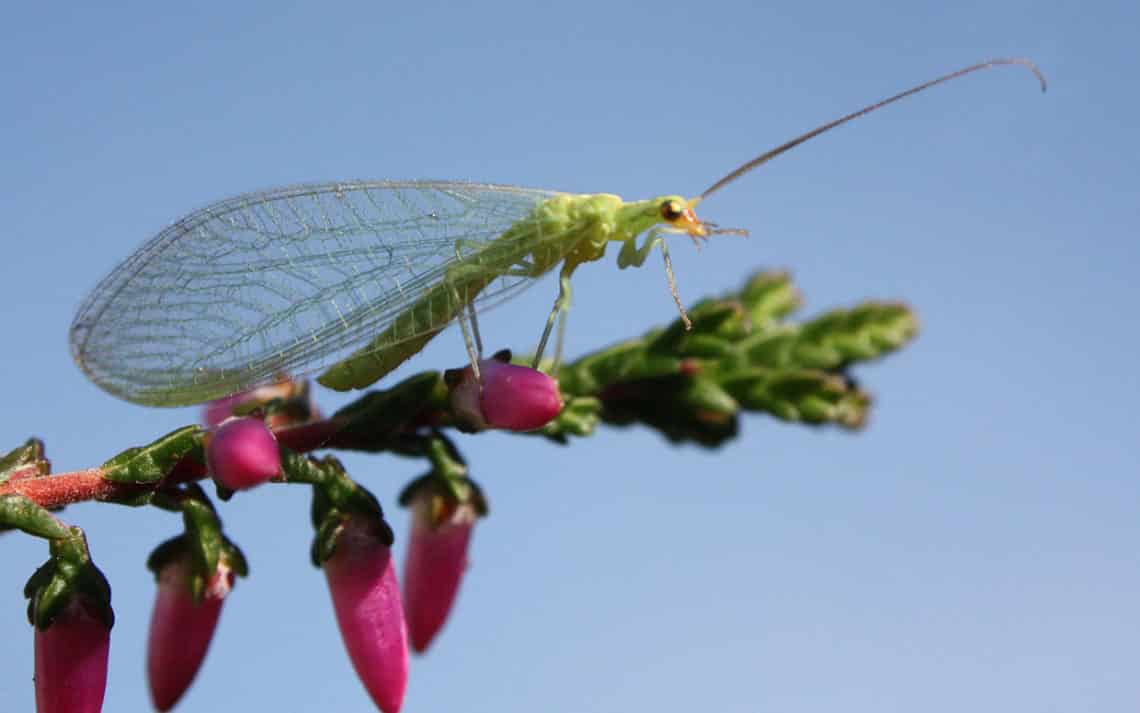
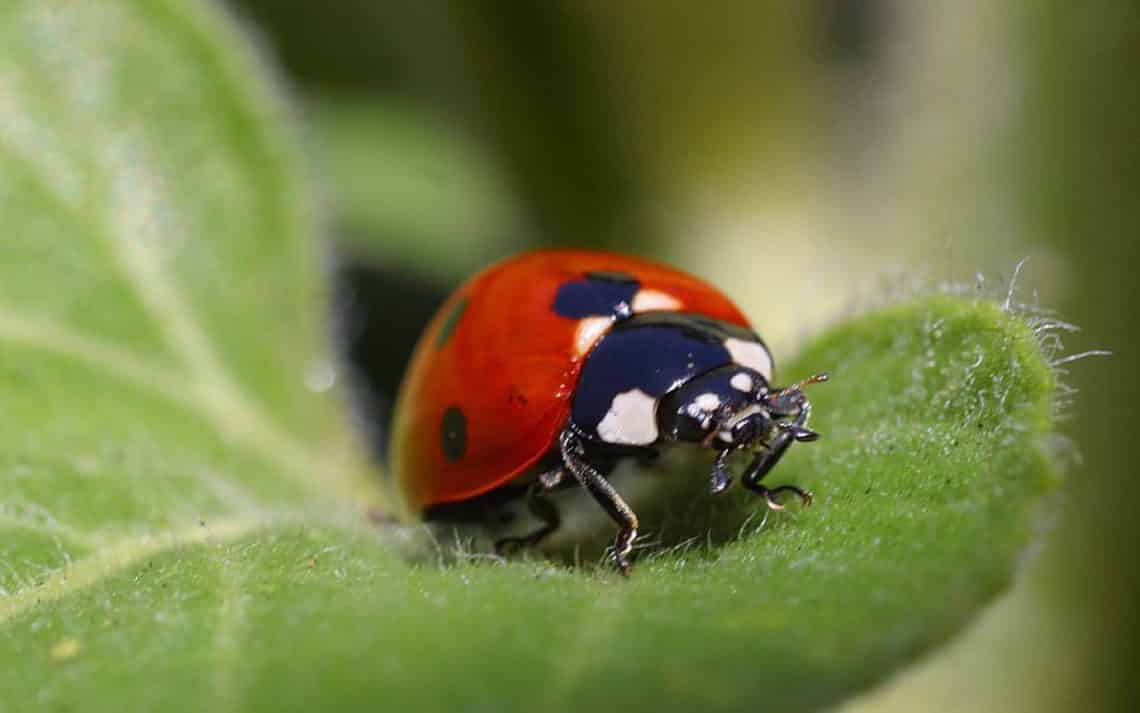 Of the approximately 4 million insect species in the world, less than 1 percent are actual pests that negatively affect agriculture or are nuisances. The majority of insects perform vital tasks such as pollination, aerating the soil and breaking down dead animals and returning them to the earth. According to Tallamy, if we lost our pollinators, we’d lose most of our plants and experience the collapse of our ecosystems.
Insects play a variety of roles in the garden, says horticulturist
Of the approximately 4 million insect species in the world, less than 1 percent are actual pests that negatively affect agriculture or are nuisances. The majority of insects perform vital tasks such as pollination, aerating the soil and breaking down dead animals and returning them to the earth. According to Tallamy, if we lost our pollinators, we’d lose most of our plants and experience the collapse of our ecosystems.
Insects play a variety of roles in the garden, says horticulturist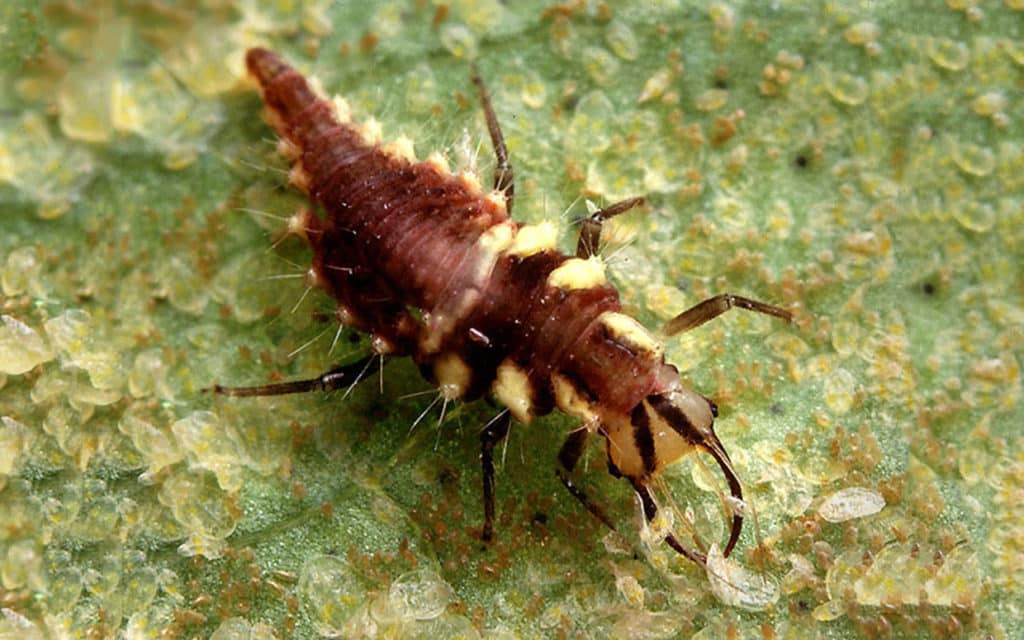





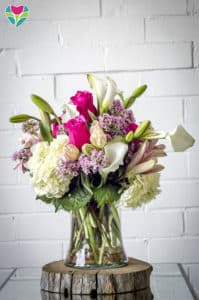 Traditional: If mom tends to like a classic look, a traditional arrangement is the perfect gift. Such designs are usually created in tall vases and include flowers such as rose, lily, daisy, stock, iris, tulip, gladiola and baby’s breath.
 Modern: Sleek, monochromatic designs are what moms with a contemporary style like. Good choices in flowers for such dynamic floral arrangements include cala lily, flowering branches, white hydrangea, green trick dianthus, orchid, ginger, succulents and ti leaves.
Eclectic: The mom who marches to her own drum and sports a unique, quirky style tends to gravitate toward unusual, flowing arrangements on the wild side containing flower and filler selections such as peony, jasmine, silver brunia, veronica, hellebore, scabiosa pods, ranunculus and berries.
Modern: Sleek, monochromatic designs are what moms with a contemporary style like. Good choices in flowers for such dynamic floral arrangements include cala lily, flowering branches, white hydrangea, green trick dianthus, orchid, ginger, succulents and ti leaves.
Eclectic: The mom who marches to her own drum and sports a unique, quirky style tends to gravitate toward unusual, flowing arrangements on the wild side containing flower and filler selections such as peony, jasmine, silver brunia, veronica, hellebore, scabiosa pods, ranunculus and berries.
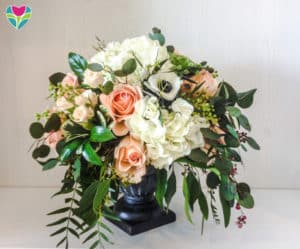 Feminine: If your mom is still a girl at heart, then an ultra-feminine design is sure to make her smile. Choose flowers in blush and soft pink tones, such as rose, peony, hydrangea, dusty miller and lilac.
Everlasting: Those moms who prefer something more enduring than a bouquet of cut flowers enjoy containers of planted items, such as houseplants. Other good long-lasting options include
Feminine: If your mom is still a girl at heart, then an ultra-feminine design is sure to make her smile. Choose flowers in blush and soft pink tones, such as rose, peony, hydrangea, dusty miller and lilac.
Everlasting: Those moms who prefer something more enduring than a bouquet of cut flowers enjoy containers of planted items, such as houseplants. Other good long-lasting options include 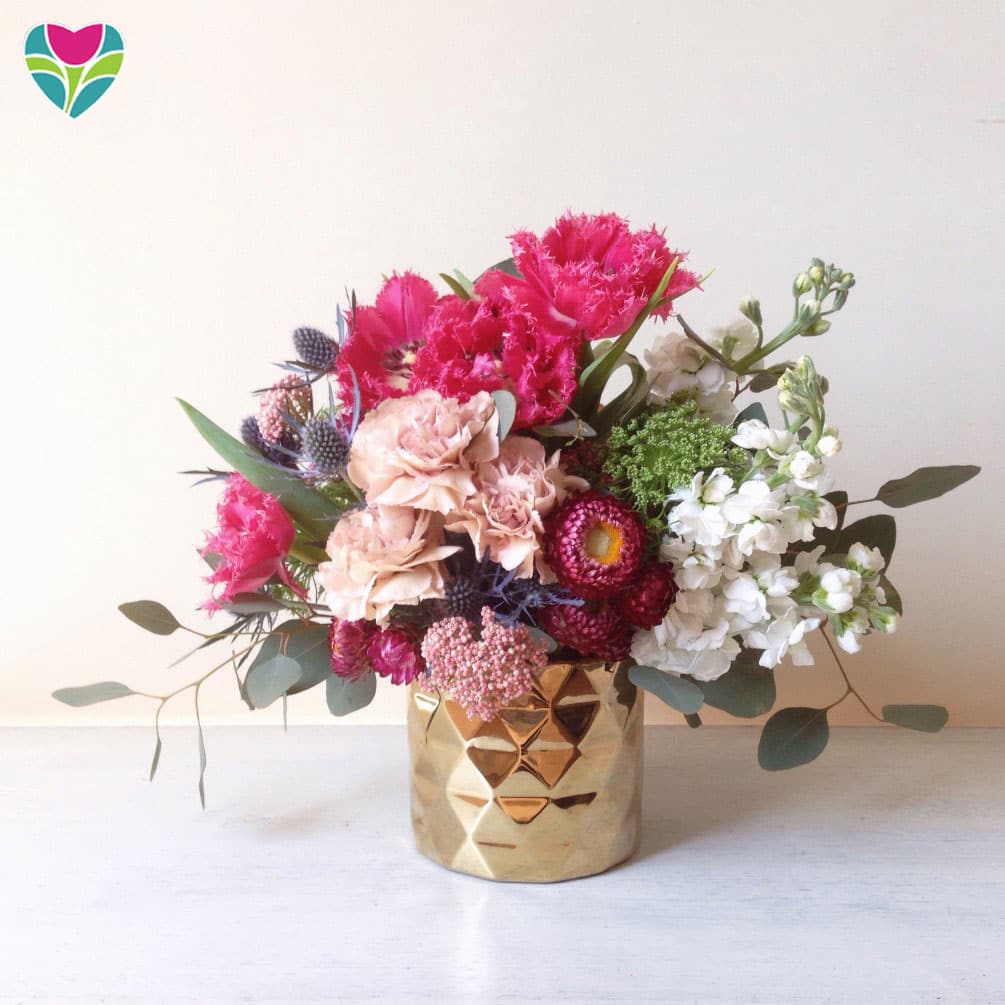 Mother’s Day vies with Valentine’s Day as the busiest for florists, so order as early as possible, says Owsley. “And don’t forget the note. Take the opportunity to let mom know how much you care.” If you order through the online floral marketplace,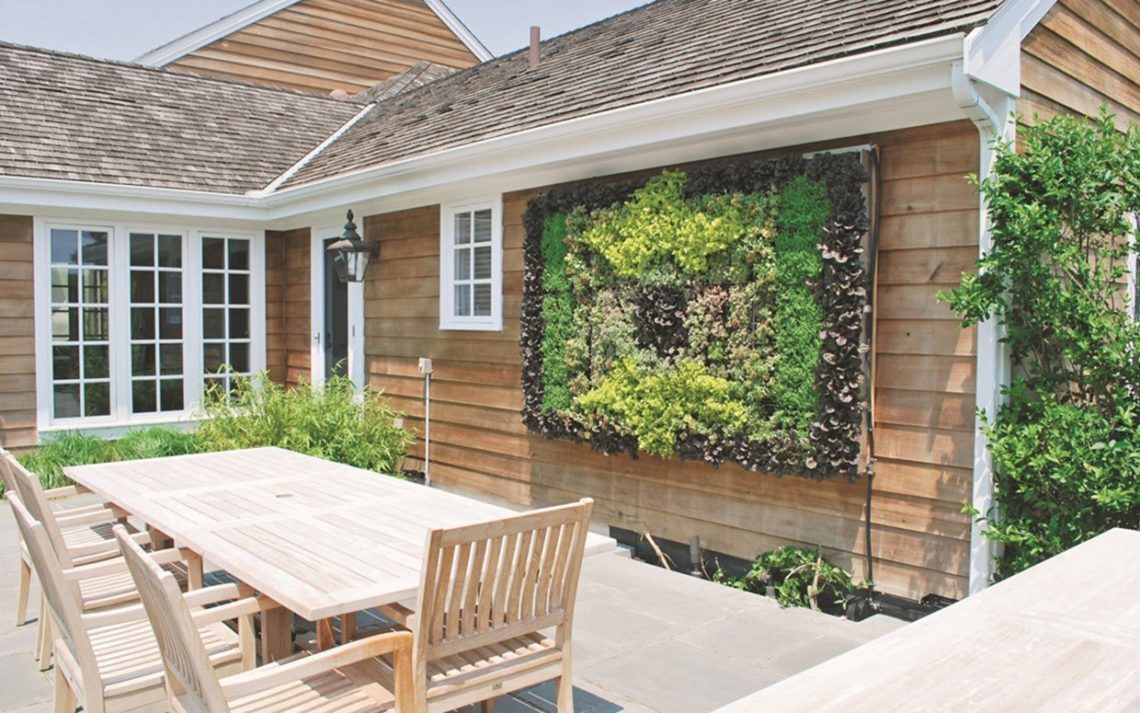
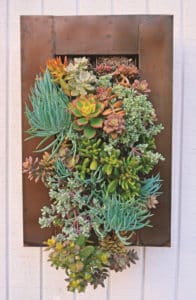 Better yet, living walls don’t require weeding. “No weeds means incredible time-saving advantages for an urban family,” says Coronado. “Additionally, if you set up a container garden watering system on your living wall unit, you will not have to water the plants either. No weeds and no watering means a super easy gardening experience.”
To have the best luck with a living garden it’s important to use the best soil mix. “For example, if you have drought conditions, it might be a good idea to plant your living wall garden in moisture retentive soil,” says Coronado. “One of my favorite recipes for a moisture retentive mix is one-third rotted manure, one-third traditional potting soil, and one-third compost. Also make sure to feed your vertical garden with a well-balanced fertilizer every 4-8 weeks.
Julie Bawden-Davis is a garden writer and master gardener, who since 1985 has written for publications such as Organic Gardening, Wildflower, Better Homes and Gardens and The Los Angeles Times. She is the author of seven books, including
Better yet, living walls don’t require weeding. “No weeds means incredible time-saving advantages for an urban family,” says Coronado. “Additionally, if you set up a container garden watering system on your living wall unit, you will not have to water the plants either. No weeds and no watering means a super easy gardening experience.”
To have the best luck with a living garden it’s important to use the best soil mix. “For example, if you have drought conditions, it might be a good idea to plant your living wall garden in moisture retentive soil,” says Coronado. “One of my favorite recipes for a moisture retentive mix is one-third rotted manure, one-third traditional potting soil, and one-third compost. Also make sure to feed your vertical garden with a well-balanced fertilizer every 4-8 weeks.
Julie Bawden-Davis is a garden writer and master gardener, who since 1985 has written for publications such as Organic Gardening, Wildflower, Better Homes and Gardens and The Los Angeles Times. She is the author of seven books, including 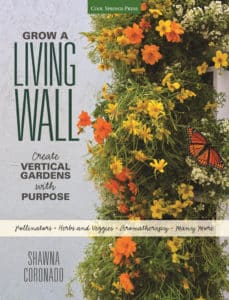

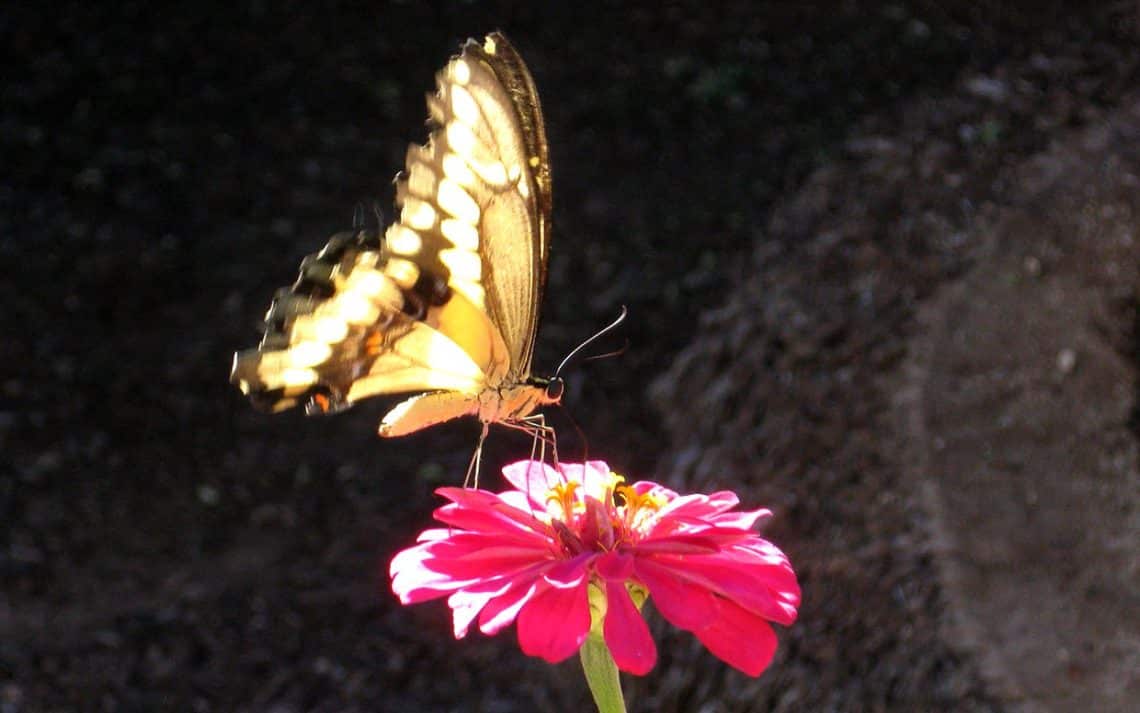
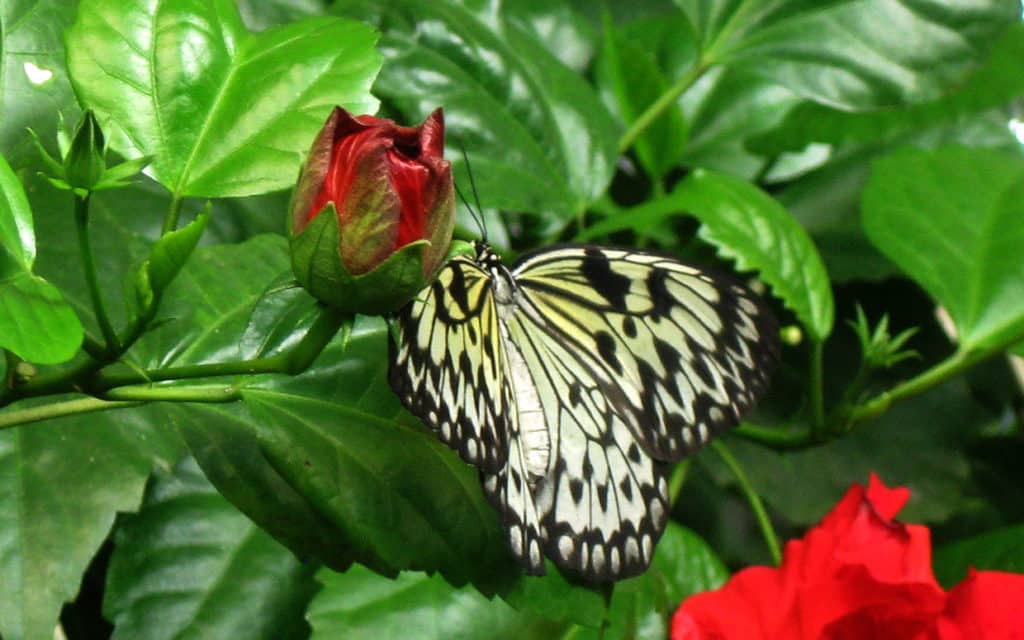 (Julie Bawden-Davis)