
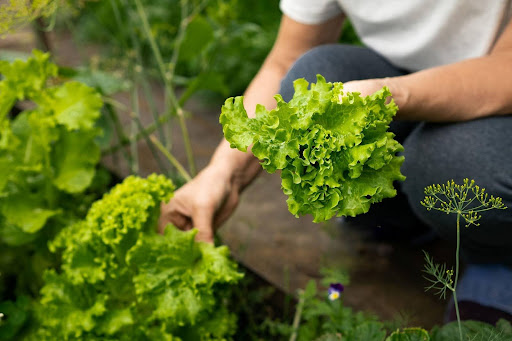
One of my greatest joys on a cool fall or winter day is stepping outside and snipping fresh, crunchy lettuce straight from the garden. Right now, I’ve got Bibb butterhead sprouting away (a longtime favorite of mine!) I also adore crisp romaine, and I’ll never turn down a zippy mesclun mix—especially one with plenty of peppery arugula.
Lettuce is one of the easiest and most rewarding crops you can plant this time of year. Cool weather is its happy place, and the plants grow quickly, giving you bowl after bowl of tender, tasty greens.
Types of Tasty Lettuce to Choose From
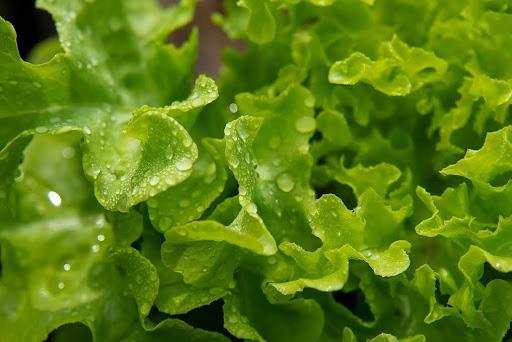
There are so many wonderful varieties to choose from. Head lettuces and looseleaf types come in all sorts of colors, shapes, and textures.
If you rely on nursery transplants, your choices can be a bit limited—but when you start from seed, a whole rainbow of greens opens up. Classics like Black-Seeded Simpson, Buttercrunch, Tom Thumb, Salad Bowl, Royal Oakleaf and Red Oakleaf are all easy to grow. Or treat yourself to a gourmet mesclun blend and enjoy your very own restaurant-style baby greens.
To help you grow the best lettuce possible this season, here are some helpful tips.
Choosing Lettuce Plants
If planting transplants, look for sturdy starts that are 3–4 inches tall. Skip any with dry or brown leaf tips—those usually signal past watering stress, which can lead to bitterness later.
Plant in the right spot
Give lettuce a sunny location and soil that drains well. Work in a 3–4 inch layer of compost before planting to create nutrient-rich, fluffy soil that lettuce loves.
Try Containers and Raised Beds
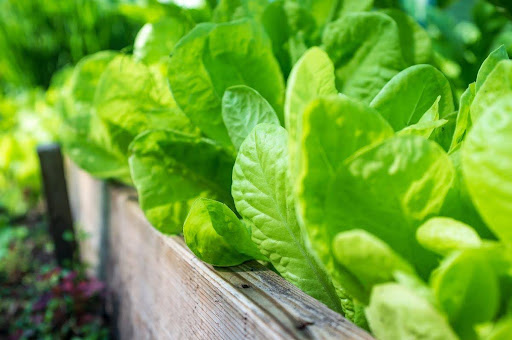
Lettuce has shallow roots, making it ideal for pots and raised beds. A half-barrel planter can easily feed a family of four with a steady supply of greens. Really, any pot with drainage holes will do. I love growing my lettuce in my elevated raised bed. That way there’s no kneeling to harvest, and it tends to be easier to protect from snails and slugs.
Planting
Set transplants at the same depth they were growing in their nursery cell. For seeds, scatter them over prepared soil and cover lightly with ¼ inch of soil. Water gently with a soft spray so the seeds don’t wash away. Cover the area with plastic wrap or a humidity dome to keep seedlings from drying out—they’re tiny, and moisture is everything in the early days.
For a constant harvest, sow new seeds every 2–3 weeks from fall through mid-spring.
Watering
Keep the soil moist but not soggy. If the surface feels dry, it’s time to water.
Feeding
Every 2–4 weeks, give lettuce a boost with an organic fertilizer high in nitrogen. Nitrogen fuels that beautiful leafy growth.
Watch for pests
Slugs, snails, sowbugs, and earwigs love lettuce as much as we do. Handpick when possible and deter them by applying copper stripping around the edges of pots and raised beds.
Harvest and enjoy
Lettuce grows quickly! Leaf lettuce planted from transplants can be ready to pick in as little as 15–20 days, and 30–40 days from seed. Head lettuces take a bit longer, about 40–90 days.
Snip outer leaves as soon as they’re big enough to eat, and the plant will keep producing. Harvest head lettuce when they form small, firm heads.
Learn about growing lettuce and more cool-season crops in my book, Southern California Vegetable Gardening.