
Most Southern California gardeners want to be responsible about landscape water usage. Of course, we could take a cue from our wild areas and plant chaparral-like plants or fill our gardens with cacti and succulents—and some gardeners do.
But the truth is, many SoCal gardeners want lush, pretty plants in the landscape. Native chaparral looks great on a hiking trail, but planting something resembling tumbleweed in the yard isn’t all that appealing. And cacti and succulents aren’t for everyone.
So, when the idea of Southern California drought tolerant landscaping comes up, many SoCal gardeners are hesitant. The good news is you don’t have to be. If you know what to plant and when to plant it, you can have a stunning drought tolerant landscape that will do more than survive our hot, dry, Mediterranean climate—it will thrive.
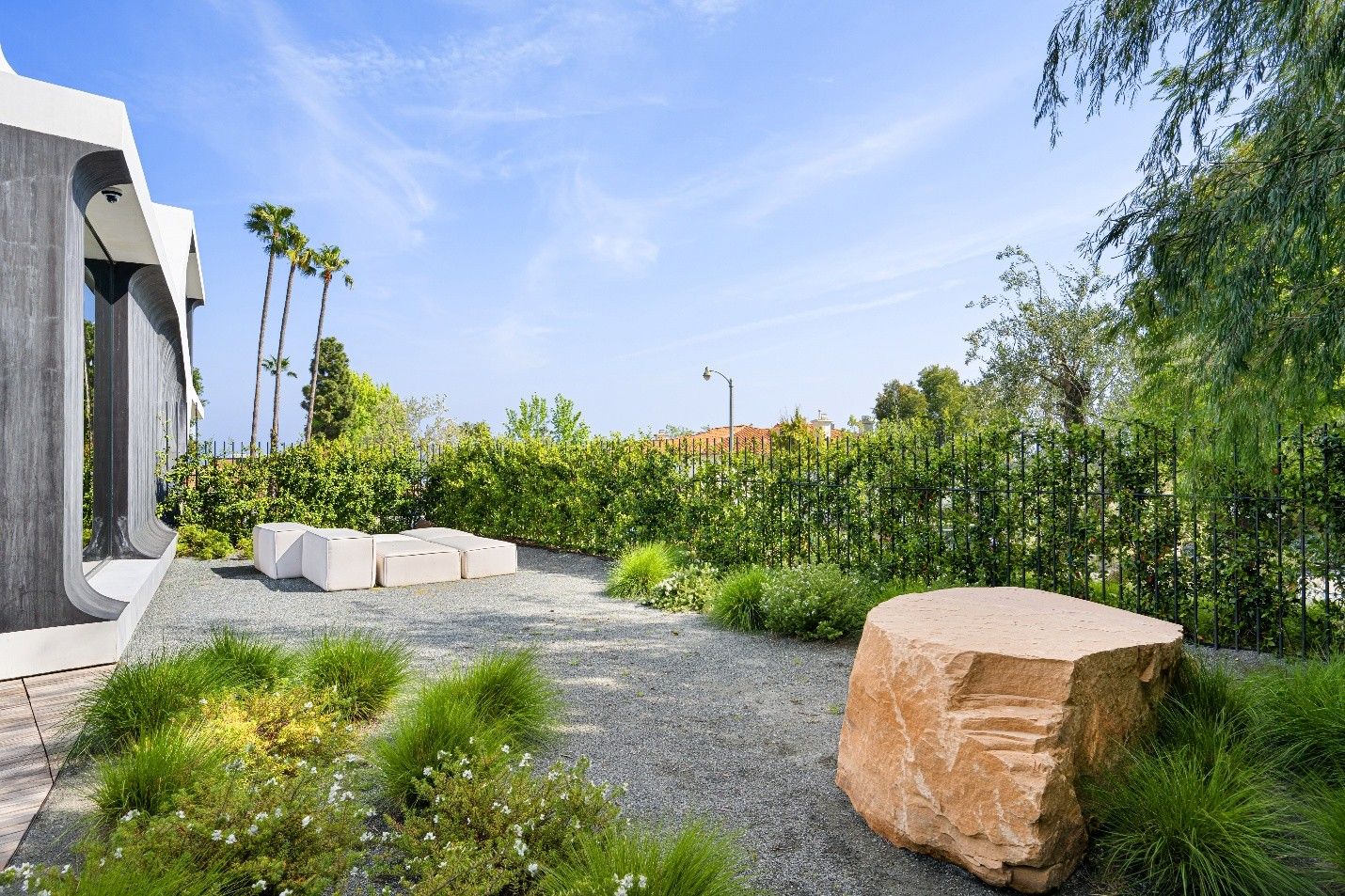
Easy Drought Tolerant Landscaping
“Designing a garden that works well in Southern California’s Mediterranean climate doesn’t have to be complicated,” says Troy Hake, owner and founder of Outsidepride, which carries a wide variety of top-quality seeds for drought tolerant plants that can be grown throughout the SoCal garden.
“A good starting point is grouping plants by their water needs, a method called hydrozoning,” says Hake. “This helps make watering more efficient and cuts back on overall water use—something that’s especially helpful during Southern California’s long, dry summers.”
Of course, choosing the ideal drought tolerant plants in the first place is key, and Outsidepride can help with that.
“Selecting the right plants can make all the difference, especially in Southern California. Water-wise options—such as native grasses, drought tolerant perennials and wildflower mixes and low-growing groundcovers—go a long way in adding texture and color, while also helping to reduce irrigation needs and ongoing maintenance,” says Hake.
Outsidepride offers a wide range of drought tolerant seeds—often used in xeriscaping—well-suited for even the driest and hottest climates.
Drought Tolerant Lawn Replacements for SoCal
Despite the necessity of water conservation and recent drought years, water guzzling grass lawns are still ubiquitous in Southern California. Many homeowners continue to desire the lush, alive look and think turfgrass is the only way to get it. But there is an excellent drought tolerant lawn replacement—Miniclover.
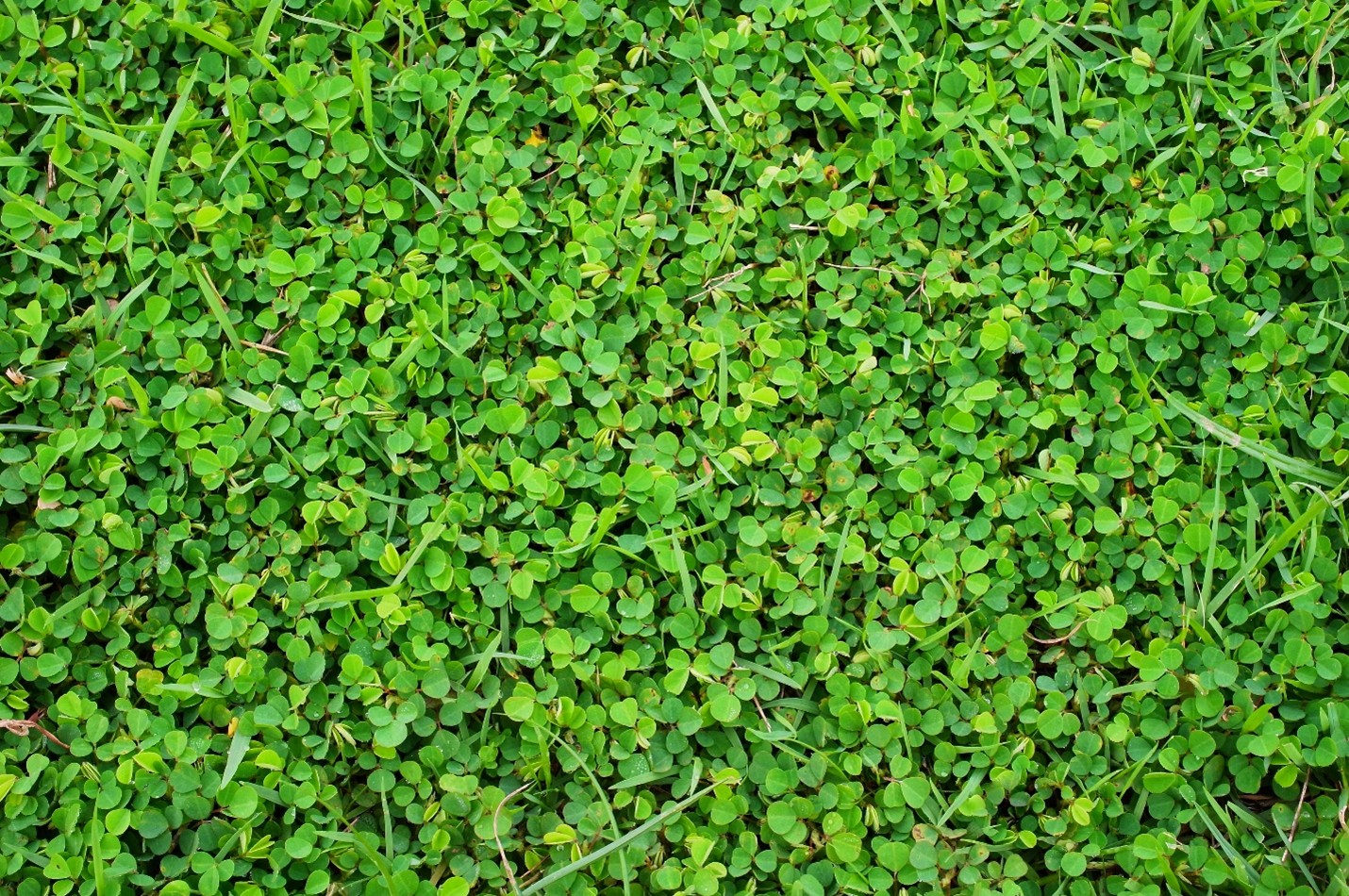
“Perennial White Miniclover is a practical lawn alternative for Southern California homeowners who want a green, grass-like appearance with less water and maintenance,” says Hake. “Miniclover is naturally low-growing and self-fertilizing through nitrogen fixation, which can reduce or even eliminate the need for added fertilizer over time.”
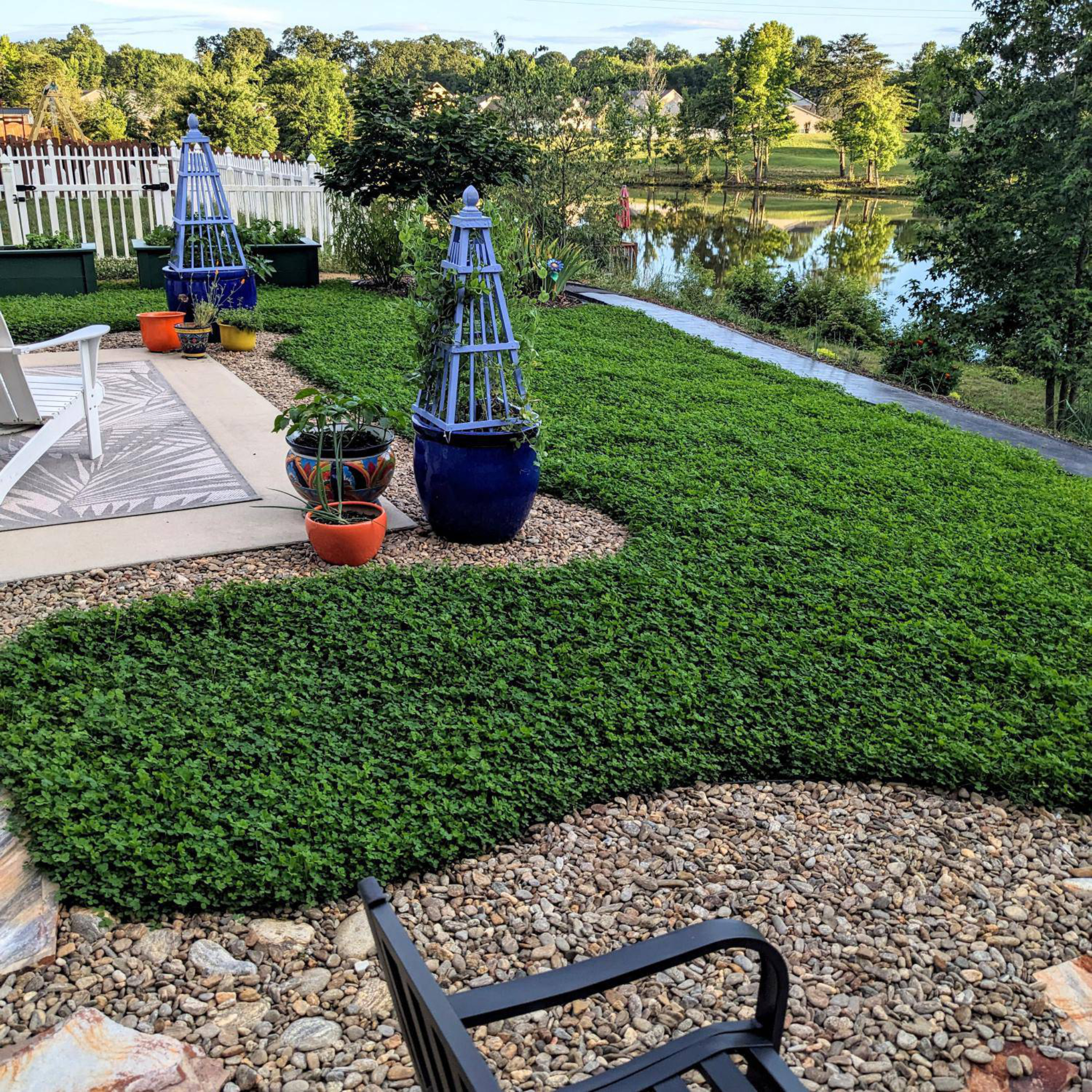
According to Hake, once established, Miniclover requires significantly less water than traditional turfgrass, making it well-suited to SoCal’s Mediterranean climate.
“Lawns or landscapes with Miniclover can easily survive two weeks with no watering or rain and stay green under normal conditions,” says Hake. “Miniclover grows well in full sun to partial shade and benefits from consistent watering during the first few weeks to help it take root. Over time, it forms a dense, green mat that helps suppress weeds, needs minimal mowing, and holds up through hot, dry summers.”
Spruce up Existing Lawn with Miniclover
Even if you want to keep your turf, adding Miniclover to existing lawns can enhance its drought tolerance and reduce watering.
“Incorporating Miniclover into an existing lawn is a simple, effective way to boost drought tolerance,” says Hake. “One of its key benefits is its ability to fill in bare or thinning areas, creating a denser ground cover. This added density helps the lawn retain moisture by reducing evaporation from exposed soil, which is especially valuable during hot, dry periods.”
And for those Southern California gardeners who plant ryegrass in their Bermudagrass in the fall to retain that green, velvety look all winter long, Miniclover is a better solution.
“Miniclover is also highly effective when mixed with grass seed or used for overseeding,” says Hake. “It works alongside traditional turfgrass to create a greener, thicker lawn that requires less water, fertilizer and overall maintenance. By improving coverage and reducing inputs, Miniclover makes it easier to maintain a healthy, resilient lawn—even in drought-prone climates like Southern California.”
Ornamental Grasses for Southern California
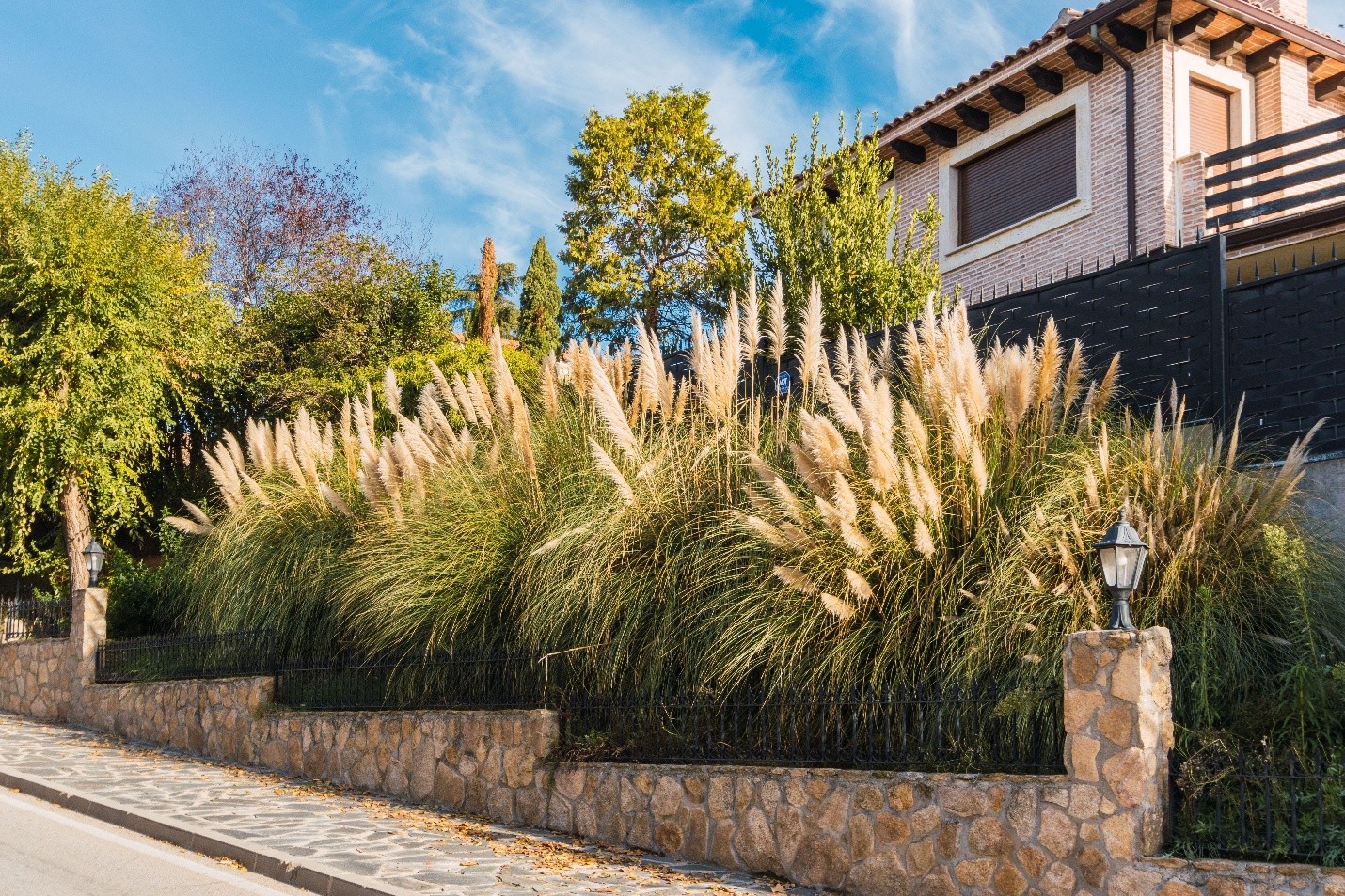
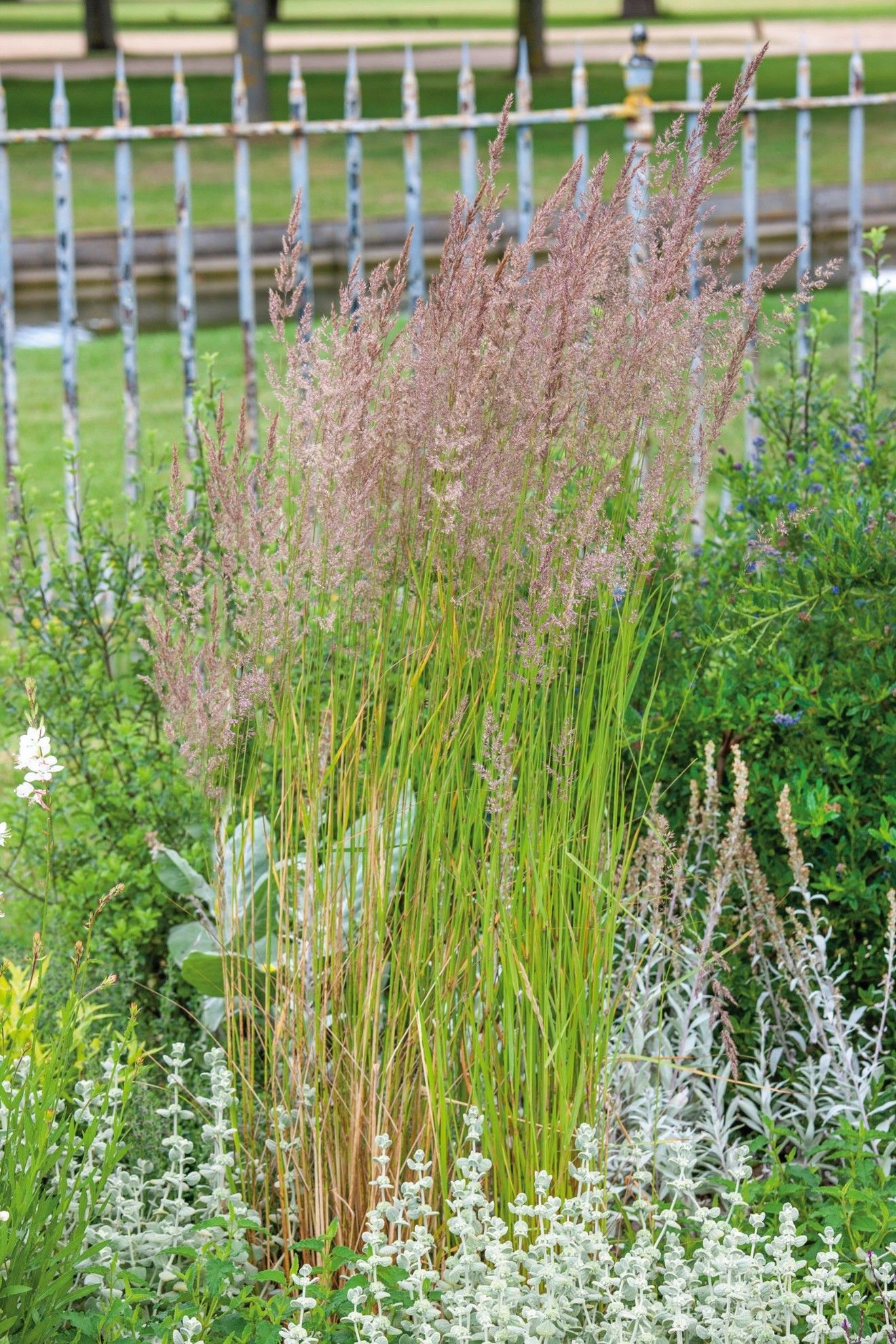
I replaced 2,500 square feet of front lawn several years ago by planting ornamental grass, which is highly drought tolerant. I got the idea years ago when I interviewed the “Grass Guru” John Greenlee for my Los Angeles Times garden column. Since the 1990s, Greenlee has advocated for incorporating native and ornamental grasses into American gardens and large-scale projects, including meadows.
I planted two varieties of Pennisetum in my front yard. Two other ornamental grass selections that grow in our area are Switchgrass and Indian Grass. “Both are low-maintenance, drought tolerant, and offer great visual appeal—making them strong choices for water-wise landscapes,” say Hake. “Both grasses will also reseed under the right conditions.”
You can use native grasses to replace lawns, or as drought tolerant focal points.
“Indian Grass from Outsidepride works especially well in garden beds or as a focal point,” says Hake. “Its tall, golden-bronze seedheads add height and movement, giving landscapes a soft, natural look. The grass is very drought tolerant once established and thrives with minimal care.”
Outsidepride’s Switchgrass is another hardy native grass that performs well in dry conditions. Alongside Indian Grass, it’s an excellent choice for ornamental uses, such as meadow-inspired plantings, or naturalized areas where added texture and structure are desired.
Drought Tolerant Groundcover
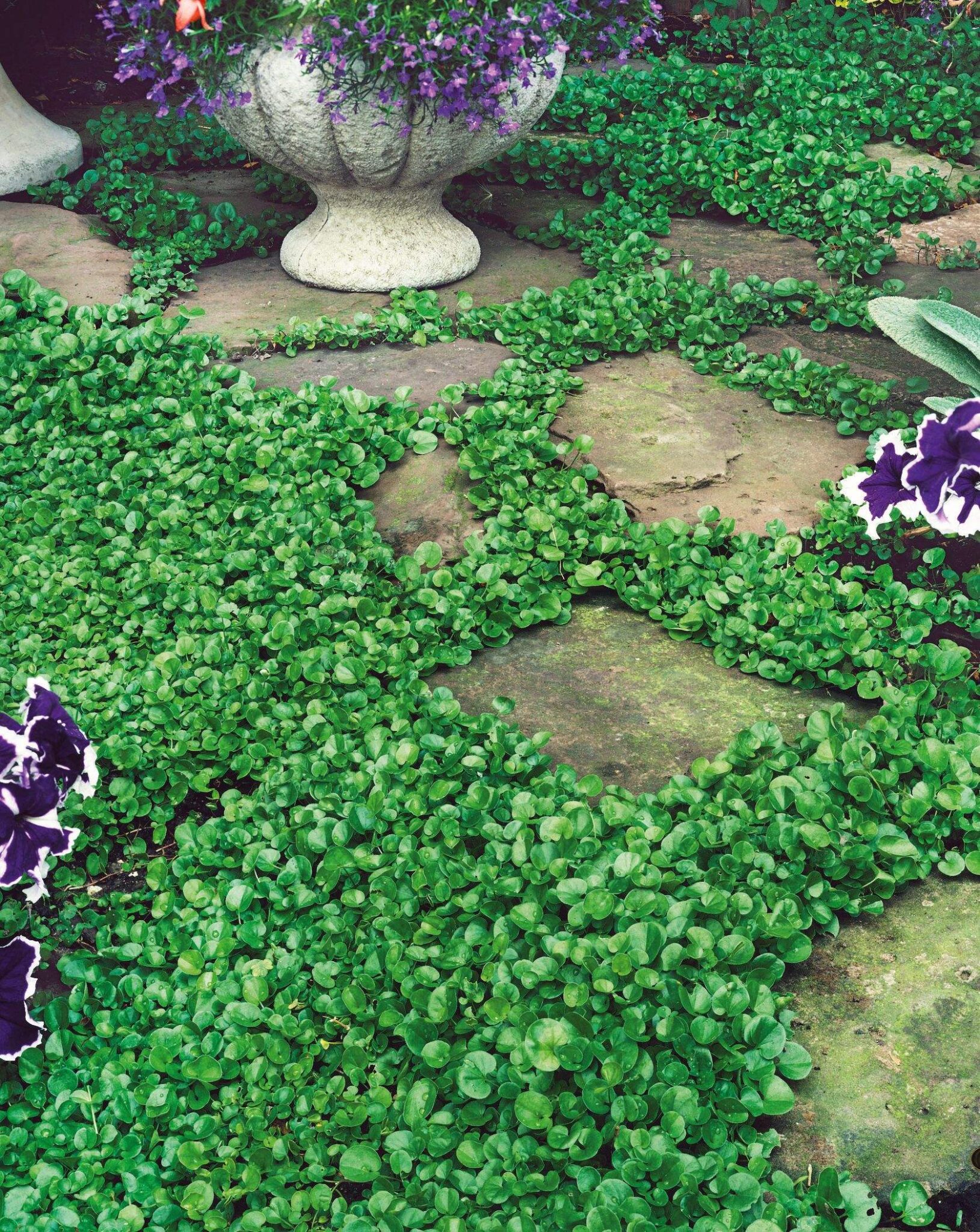
For those tight spaces where it’s hard to grow plants or for areas in between steppingstones, it’s difficult to find groundcovers that do well here in SoCal. Often when you plant species like baby’s tears, they may thrive during our cool months, but when the heat kicks in and there is no rain in sight, they quickly shrivel up and die or go dormant.
There is one groundcover that thrives during our warm months, however—Dichondra repens. A low-growing perennial with dense foliage, this plant performs well in small or challenging spaces.
“Once established, Dichondra becomes drought tolerant and only requires watering when the soil has dried out,” says Hake. “It’s a low-maintenance option that doesn’t need mowing, though occasional trimming can help maintain a tidy appearance. Keep an eye out for weeds early on and consider applying mulch to retain moisture and suppress competition.”
Low-Water Flower Options for Southern California
No Southern California drought tolerant garden is complete without flowers, which thrive under our sunny skies. There are drought tolerant choices that do well here, including some wildflower mixes. Such seed assortments contain flowers adapted to growing in the wild where water can be scarce.
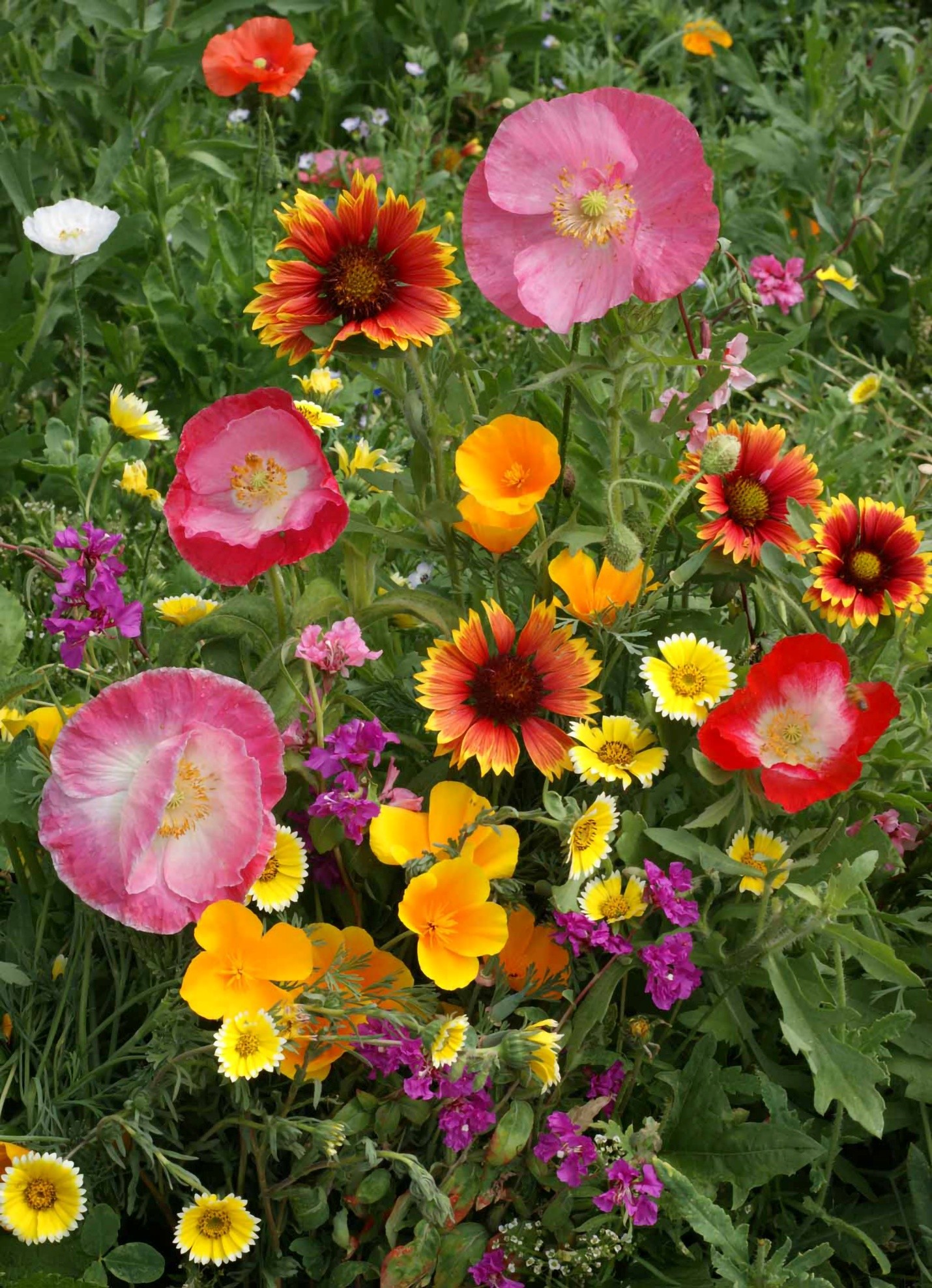
“One of the best wildflower seed mixes from Outsidepride for hot, dry environments like Southern California is the Southwest Wildflower Seed Mix,” says Hake. “Formulated specifically for the climate and conditions of the Southwest, this regional mix contains a diverse blend of adaptable species suited for both dry and moderately moist areas. It’s ideal for naturalizing large spaces, adding eye-popping seasonal color, and supporting pollinators—all with minimal water once established.”
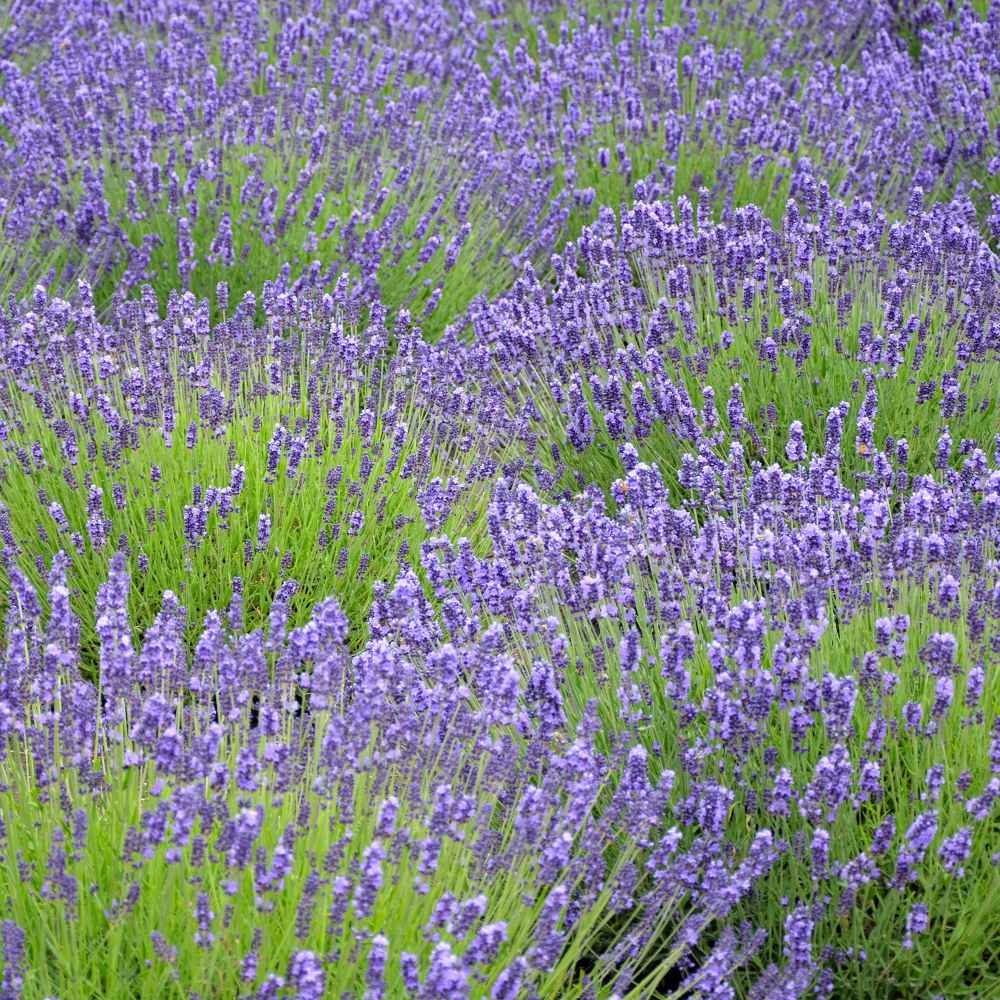
Another drought friendly flower choice includes many herbs. Some flower in the spring, and others do so throughout the year, such as rosemary and lavender.
“Lavender ‘Spanish Eyes’ is a drought tolerant herb from Outsidepride that’s particularly well-suited for Southern California’s hot, dry climate,” says Hake. “As a member of the mint family, it does well in full sun with well-drained soil and adds fragrance and pollinator-friendly color to beds, borders and herb gardens. Once established, lavender requires minimal water. You only irrigate when the soil is dry.”
Increase Drought Tolerance by Planting from Seed
Planting from seed is a smart choice for several reasons—both practical and long-term. For starters, seeds are generally more affordable than store-bought transplants and offer a much wider selection.
Beyond cost and variety, there are real benefits when it comes to plant health when planting from seed.
“When grown from seed, plants have the chance to develop strong root systems right from the start, directly in the soil where they’ll mature,” says Hake. “In many cases, seed-grown plants end up outperforming transplants because they’re already acclimated to the conditions they’re growing in.”
When to Plant Drought Tolerant Seeds in Southern California
As is the case with most gardening tasks, timing is everything when it comes to having success with drought tolerant landscaping for Southern California.
Avoid planting during the peak heat of summer, when high temperatures and intense sun can quickly dry out soil and put stress on young plants or newly sown seed. Instead, wait until early fall—mid-September through mid-October—when the days shorten and nighttime temperatures begin to cool. Planting during this timeframe will also help you avoid the beginning of the Santa Anas winds and their drying influence.
Planting in fall allows the soil to retain moisture longer, which will hasten germination and help seedlings thrive. A healthy start will also ensure strong root development and long-term plant resilience.
Before planting seeds, check the requirements for each species. For instance, when planting Dichondra, don’t cover the seed with soil, as it needs light to germinate. Instead, press the seed into the soil and keep it moist, and you can expect germination in one to two weeks.
Give Mother Nature Some Time
When creating your drought tolerant landscape, keep in mind that drought tolerance doesn’t happen overnight, says Hakes.
“Plants—particularly those started from seed—need time to establish strong root systems before they can truly withstand dry conditions,” he says. “In most cases, this requires a full growing season of regular care and watering.”
For best drought tolerant planting success, seed in fall, keep the soil moist, and throw in a rain dance or two, and you’ll soon have a beautiful, drought tolerant landscape in your SoCal garden.
Browse a curated selection of drought tolerant seeds, including grasses, wildflowers, groundcovers, herbs and more, on the Outsidepride website. Each seed product page includes helpful planting and care information. www.outsidepride.com/seed/drought-tolerant.