Shredder Fact Sheet: 5 Things to Know Before You Buy
Do you know what you should do just as soon as you’ve shipped off that tax return?
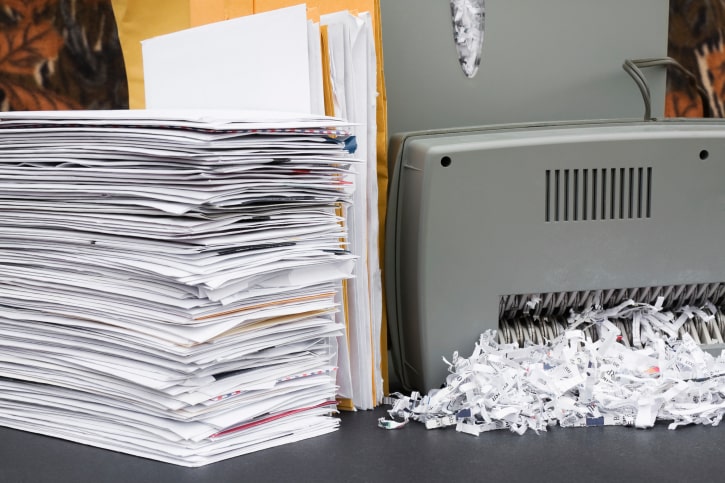
You should shred all the paper that you no longer need. Okay, maybe it’s not as exciting as a celebratory glass of champagne, but it is a great way to protect your financial and personal data: Use a good shredder, and you can feel confident that your personal information won’t wind up in the wrong hands.
We can help you choose. Before you buy a shredder, make sure you know these five facts:
1. How you’ll store it
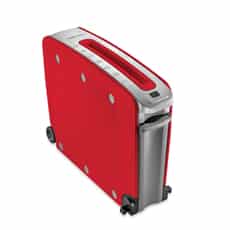
There are shredders to fit almost any space, from small, desktop models to larger, wastebasket-sized, shredders. If you’ll use it often, consider a freestanding model that you can leave out for easy access. Don’t worry that it will be an eyesore: Shredders come in various colors and styles, making it possible to choose one that fits your home’s décor. If you’ll use it rarely, it might be easier to get a model that you can store in a drawer or on a shelf.
2. Its cutting method
The most important consideration when choosing a shredder is the machine’s cut-style, a.k.a, the exact way it shreds a piece of paper.- Cross-cut shredders are the most common. These models slice the paper both vertically and horizontally creating small, rectangular pieces that are difficult to piece back together.
- Need extra security? Choose a micro-cut shredder, which takes the idea of “little pieces” to a whole new level. A micro-cut shredder cuts an 8 ½ x 11 piece of paper into approximately 3,000 pieces.
- Strip-cut shredders (the ones that cut paper into spaghetti-like strips) are less common than they used to be, because they don’t provide the same level of security as a cross-cut or micro-cut — the strips they create are too easy for bad guys to paste back together.
3. Its capacity
Determining how much, and how often, you’ll have things to shred will help you decide how powerful a shredder you need.A shredder’s product listing will indicate how both how many pages you can shred in a day, and how many pages you can shred at one time. In general, light usage in the average household is around 50 or fewer sheets a day. Shredders designed for this load can usually handle from 4 to 12 pages at one time. If you will be shredding more, look for a model that can handle a higher volume–because going over the recommended capacity can burn out the shredder’s motor.
Of course, you should consider what you are shredding as well: Make sure that the opening of any shredder you’re considering is large enough to accommodate the size of paper you’ll shred, and if you want to shred items like credit cards and CDs, double-check that the machine can handle those materials.
4. How jam-resistant it is
Paper jams interrupt shredding and can sometimes be difficult to untangle, so look for features that will help you avoid them: Some models sense when the paper is too thick, and will turn off before a jam occurs.
5. How easy it is to check its status
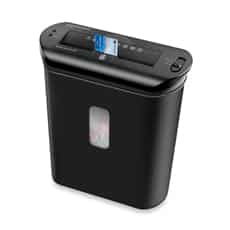 And while it’s hardly required, another great tool is an auto button. This will let you keep the machine on but not running, which saves you from having to turn the shredder off and on as you ready paperwork for shredding.Waiting until the shredder is stuffed can lead to jams and overheating, and makes for messy emptying. To avoid overstuffing, look for shredders with a clear shredder compartment or a window into the machine — some even feature an indicator light to let you know when the compartment is reaching capacity.









 Dust-catching window coverings, such as heavy drapes and blinds with small slats that are hard to clean, are notorious breeding grounds for dust mites. Better choices include window shades and blinds or shutters with large slats that can be easily vacuumed. Clean blinds, shutters and shades weekly with a
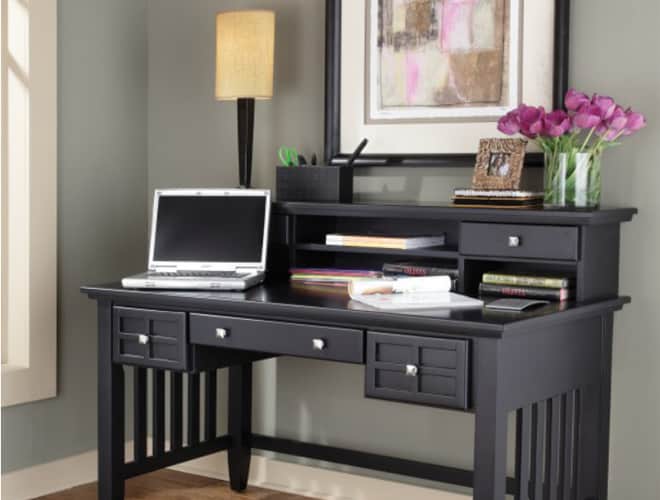
 As your central locus of work, your choice of
 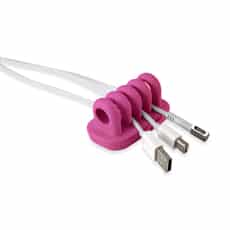 Electronic equipment such as computers, scanners, printers and cell-phone chargers bring what can seem like an overabundance of cords and cables. A variety of cord control products on the market allow you to collect the cords and store them in an unobtrusive manner. Such systems also allow you to easily unplug items without having to sort through all of your cords and cables.
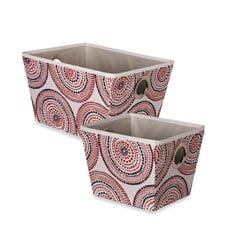 If you have a lot of items and limited drawer or cabinet space,



 Toddlers are becoming more aware of their surroundings, and they’ll enjoy exploring and playing at bath time with your help. Many infant baths convert for toddlers, allowing your little one to sit up when he’s ready. When it’s time to move into the big bathtub, make sure he or she stays secure and happy by using a non-slip bathmat in the tub.