The Essential Garden Tool Guide
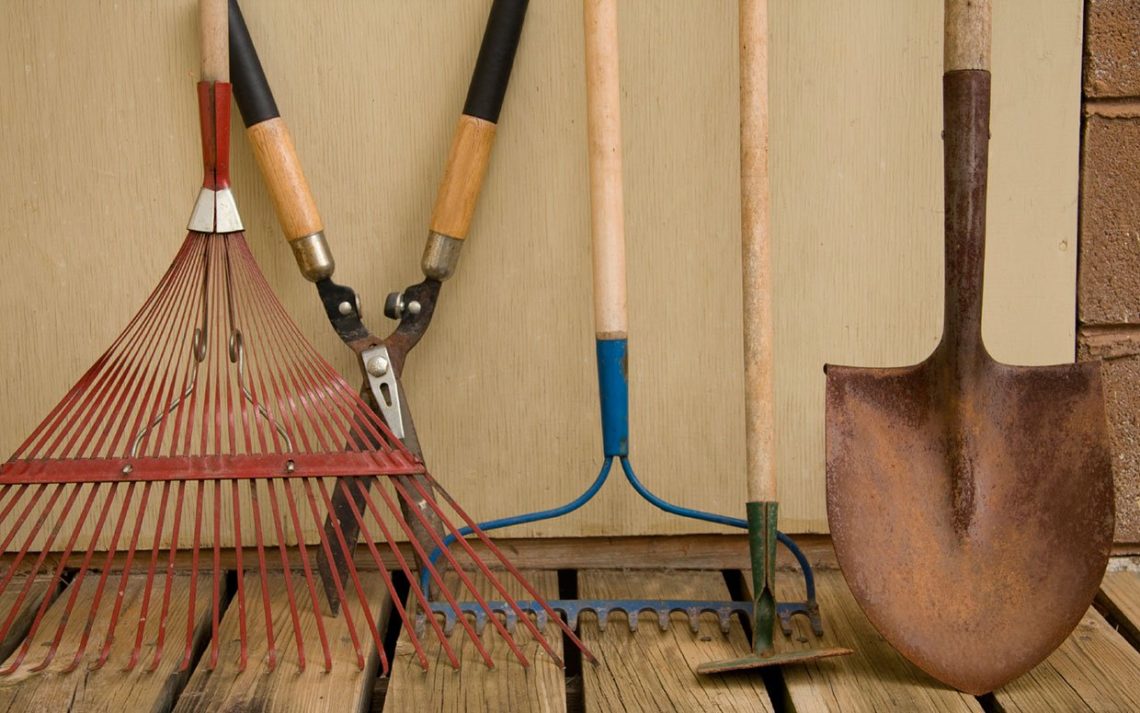
Like a master chef or a skilled mechanic, gardeners require high-quality tools to work their magic in the landscape. Sturdy, well-designed tools, like shovels, rakes, trowels and pruners, allow you to garden efficiently and comfortably.
“When working in the garden or around the yard, having the right tool for the job is critical,” says Rick Meinzer, founder of RedHed Tools, which are modular and can be configured for the task at hand. The owner of Platinum Landscape, Meinzer became frustrated over the years with the fact that many garden tools soon fall apart from the rigors of yard work, so he created his tool line guaranteed to last a lifetime. “You want to rely on your garden tools as trusted friends that stand up to use. Tools that are appropriate for the task and built well are an essential element for any gardener,” says Meinzer, who shares his tips for having the best garden tool experience possible. Choose quality. Poorly built, inferior tools deteriorate. It’s aggravating to be in the middle of double digging your garden and have the shovel break or become loose. Look for metal tools that have been forged, and check that any screws are tight and secure. Use correctly. “Understand the purpose of the tool and use accordingly,” says Meinzer. “Don’t use a shovel as a pry bar to remove large rocks or tree stumps. You are going to break it no matter how well it is built.”
Using tools as they’re designed also protects you physically. “Leverage the power of the tool and protect your back,” advises Meinzer. “When digging a trench, for instance, stand above the trench and bend over and dig. To lift out the dirt, put one foot down in the trench and the other foot on top and use your legs to lift and move the dirt. Hand placement is also important. Place one hand down low by the tool head when lifting dirt or heavy loads with a shovel, which gives you leverage. Then use your legs to lift up and move the dirt. When raking, move one hand down lower on the handle to get more leverage and create more force.”
Compile a complete tool chest. Being able to use the correct tool requires that you have a variety from which to choose. A versatile garden tool chest includes a shovel, spade, rake, pitchfork, hoe, pick, trowel, weeder, lopper, pole pruner, shears and scissors.
Maintain. Proper maintenance is the key to tools that work well and stand the test of time. “The most important thing you can do is to clean them after use,” says Meinzer. “A simple wash with water is all you need to do. Also dry them—otherwise non-powder coated tool heads and many wooden handles will deteriorate more quickly.” Further protect your tools by storing them away from sun and moisture, and always put them in the same location every time so you can find them when you need them.
Keep them sharp. Many gardening tools—hoes, scissors, pruners, shovels, shears—need sharpening periodically. Wipe blades down with a metal lubricant/protectant and then use a 10-inch flat mill file to sharpen. File at a 20 to 25 degree angle, following the original bevel. To create a fine edge, finish the job with a whetstone.
Use correctly. “Understand the purpose of the tool and use accordingly,” says Meinzer. “Don’t use a shovel as a pry bar to remove large rocks or tree stumps. You are going to break it no matter how well it is built.”
Using tools as they’re designed also protects you physically. “Leverage the power of the tool and protect your back,” advises Meinzer. “When digging a trench, for instance, stand above the trench and bend over and dig. To lift out the dirt, put one foot down in the trench and the other foot on top and use your legs to lift and move the dirt. Hand placement is also important. Place one hand down low by the tool head when lifting dirt or heavy loads with a shovel, which gives you leverage. Then use your legs to lift up and move the dirt. When raking, move one hand down lower on the handle to get more leverage and create more force.”
Compile a complete tool chest. Being able to use the correct tool requires that you have a variety from which to choose. A versatile garden tool chest includes a shovel, spade, rake, pitchfork, hoe, pick, trowel, weeder, lopper, pole pruner, shears and scissors.
Maintain. Proper maintenance is the key to tools that work well and stand the test of time. “The most important thing you can do is to clean them after use,” says Meinzer. “A simple wash with water is all you need to do. Also dry them—otherwise non-powder coated tool heads and many wooden handles will deteriorate more quickly.” Further protect your tools by storing them away from sun and moisture, and always put them in the same location every time so you can find them when you need them.
Keep them sharp. Many gardening tools—hoes, scissors, pruners, shovels, shears—need sharpening periodically. Wipe blades down with a metal lubricant/protectant and then use a 10-inch flat mill file to sharpen. File at a 20 to 25 degree angle, following the original bevel. To create a fine edge, finish the job with a whetstone.
 (BloomNation)
 (Bloom Nation)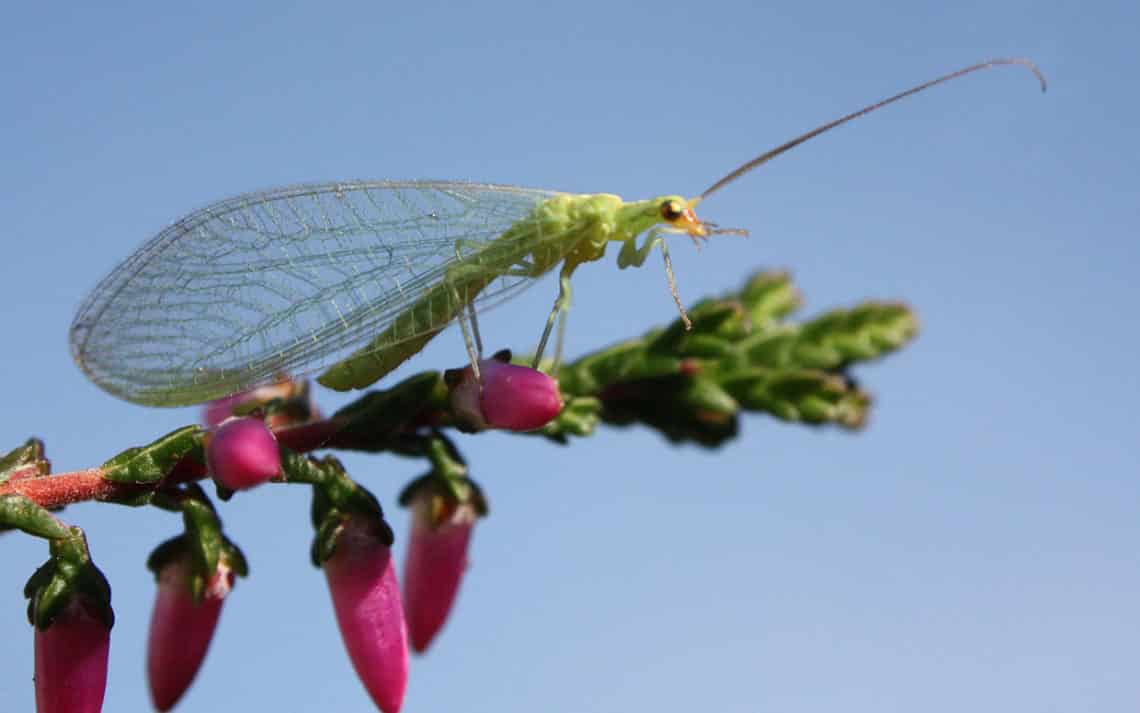
 Of the approximately 4 million insect species in the world, less than 1 percent are actual pests that negatively affect agriculture or are nuisances. The majority of insects perform vital tasks such as pollination, aerating the soil and breaking down dead animals and returning them to the earth. According to Tallamy, if we lost our pollinators, we’d lose most of our plants and experience the collapse of our ecosystems.
Insects play a variety of roles in the garden, says horticulturist
Of the approximately 4 million insect species in the world, less than 1 percent are actual pests that negatively affect agriculture or are nuisances. The majority of insects perform vital tasks such as pollination, aerating the soil and breaking down dead animals and returning them to the earth. According to Tallamy, if we lost our pollinators, we’d lose most of our plants and experience the collapse of our ecosystems.
Insects play a variety of roles in the garden, says horticulturist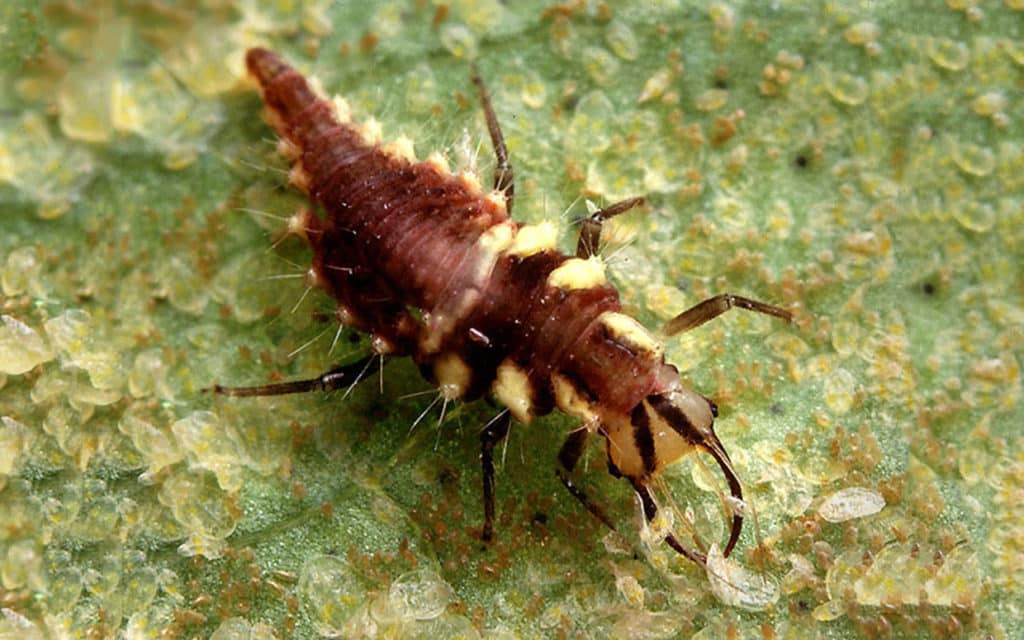
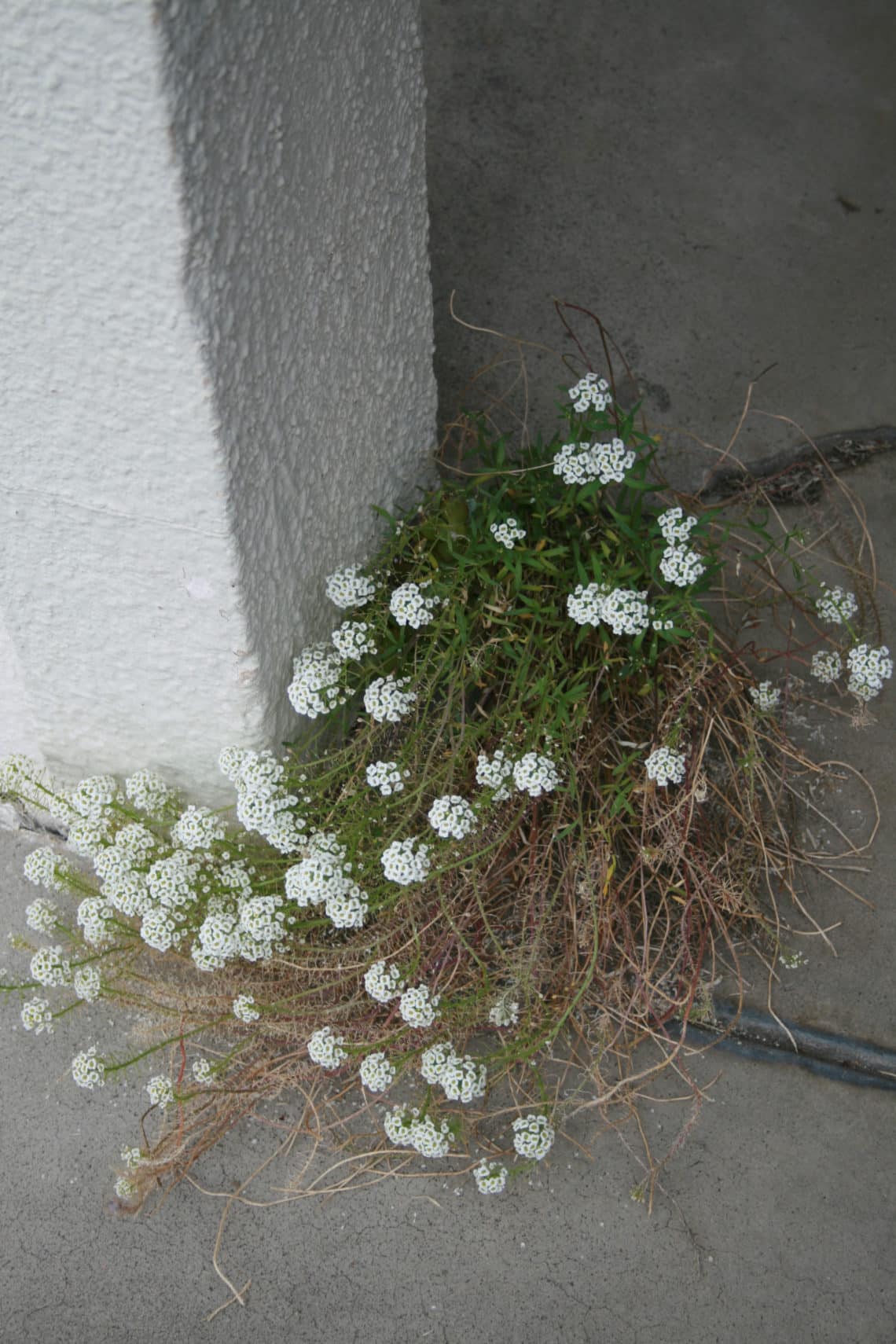

 Traditional: If mom tends to like a classic look, a traditional arrangement is the perfect gift. Such designs are usually created in tall vases and include flowers such as rose, lily, daisy, stock, iris, tulip, gladiola and baby’s breath.
 Modern: Sleek, monochromatic designs are what moms with a contemporary style like. Good choices in flowers for such dynamic floral arrangements include cala lily, flowering branches, white hydrangea, green trick dianthus, orchid, ginger, succulents and ti leaves.
Eclectic: The mom who marches to her own drum and sports a unique, quirky style tends to gravitate toward unusual, flowing arrangements on the wild side containing flower and filler selections such as peony, jasmine, silver brunia, veronica, hellebore, scabiosa pods, ranunculus and berries.
Modern: Sleek, monochromatic designs are what moms with a contemporary style like. Good choices in flowers for such dynamic floral arrangements include cala lily, flowering branches, white hydrangea, green trick dianthus, orchid, ginger, succulents and ti leaves.
Eclectic: The mom who marches to her own drum and sports a unique, quirky style tends to gravitate toward unusual, flowing arrangements on the wild side containing flower and filler selections such as peony, jasmine, silver brunia, veronica, hellebore, scabiosa pods, ranunculus and berries.
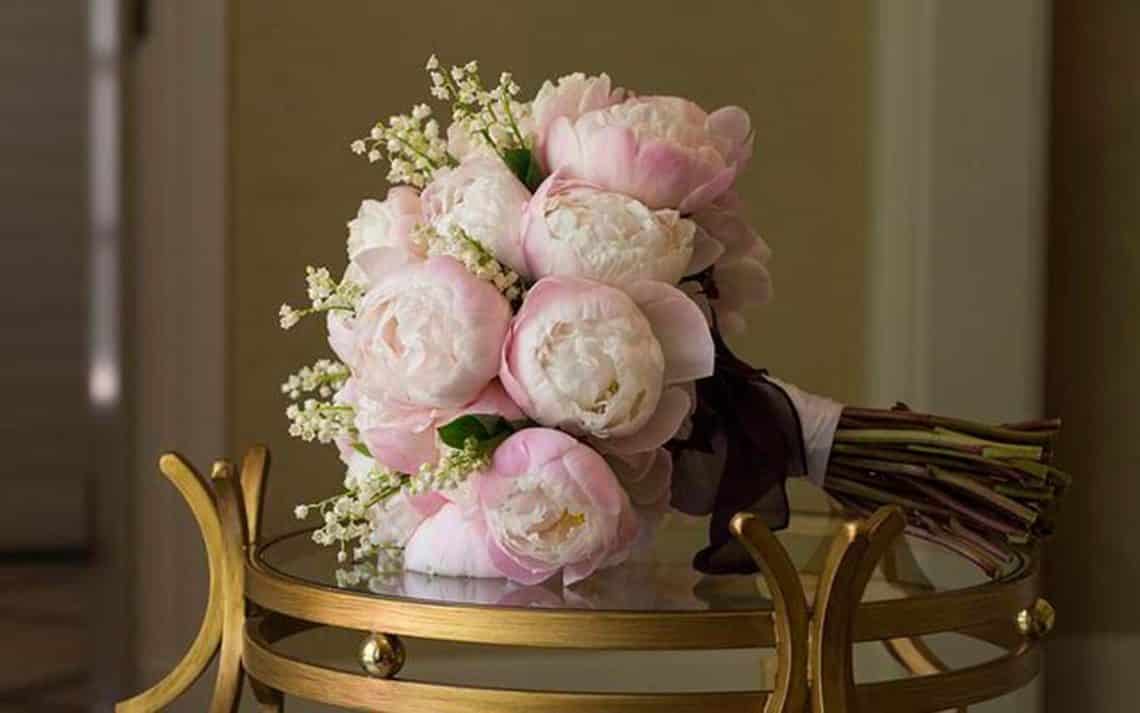
 Feminine: If your mom is still a girl at heart, then an ultra-feminine design is sure to make her smile. Choose flowers in blush and soft pink tones, such as rose, peony, hydrangea, dusty miller and lilac.
Everlasting: Those moms who prefer something more enduring than a bouquet of cut flowers enjoy containers of planted items, such as houseplants. Other good long-lasting options include
Feminine: If your mom is still a girl at heart, then an ultra-feminine design is sure to make her smile. Choose flowers in blush and soft pink tones, such as rose, peony, hydrangea, dusty miller and lilac.
Everlasting: Those moms who prefer something more enduring than a bouquet of cut flowers enjoy containers of planted items, such as houseplants. Other good long-lasting options include 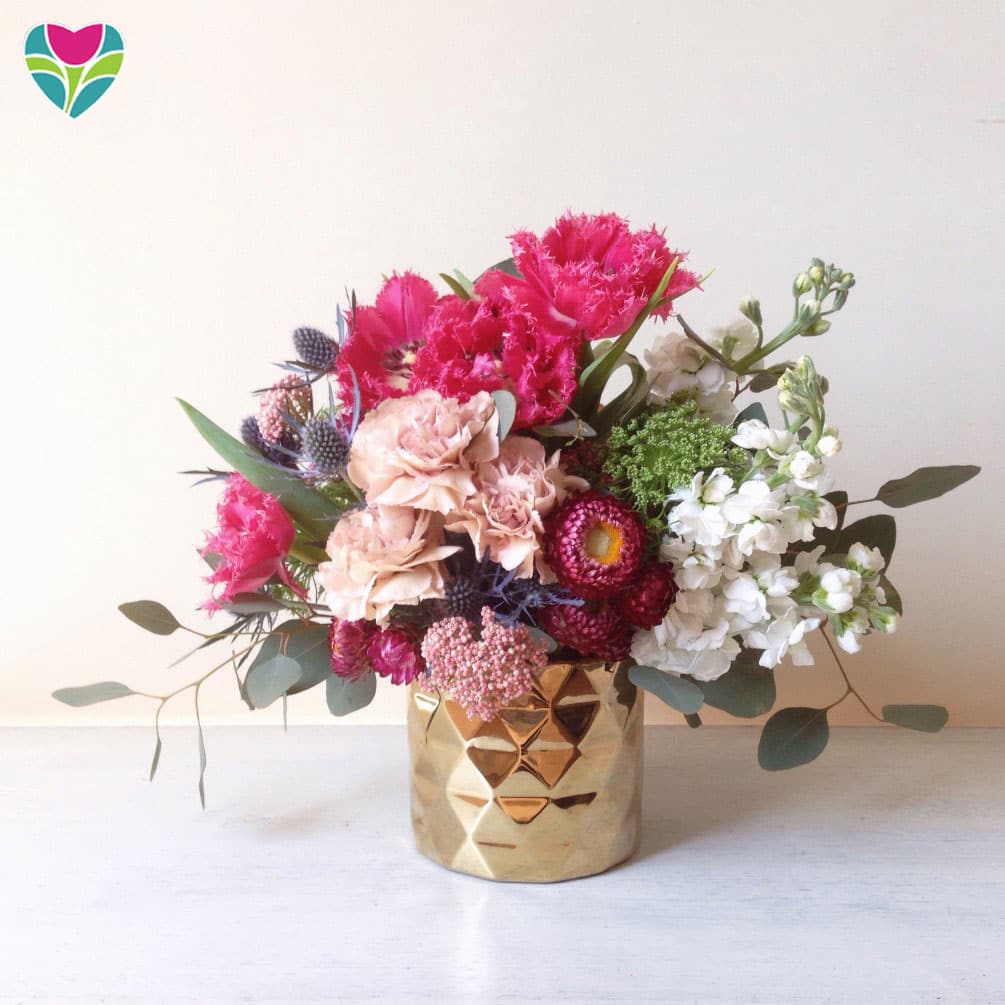 Mother’s Day vies with Valentine’s Day as the busiest for florists, so order as early as possible, says Owsley. “And don’t forget the note. Take the opportunity to let mom know how much you care.” If you order through the online floral marketplace,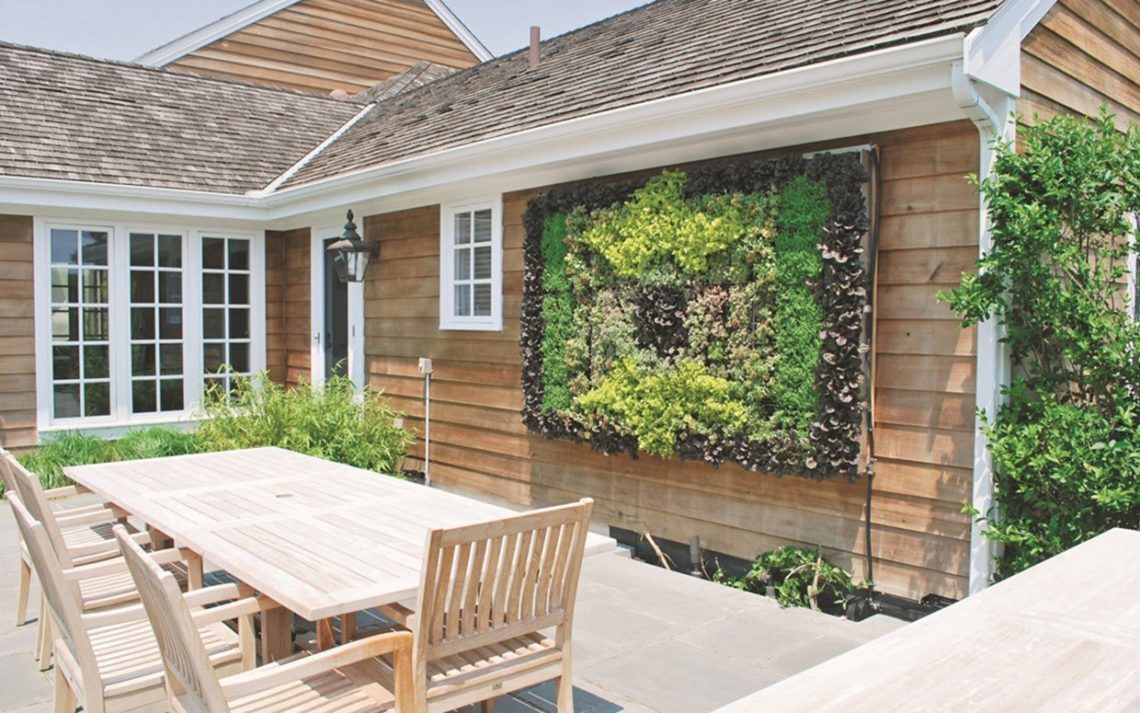
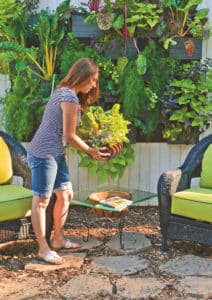
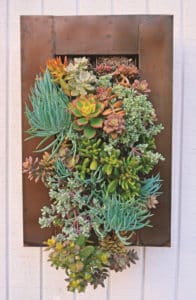 Better yet, living walls don’t require weeding. “No weeds means incredible time-saving advantages for an urban family,” says Coronado. “Additionally, if you set up a container garden watering system on your living wall unit, you will not have to water the plants either. No weeds and no watering means a super easy gardening experience.”
To have the best luck with a living garden it’s important to use the best soil mix. “For example, if you have drought conditions, it might be a good idea to plant your living wall garden in moisture retentive soil,” says Coronado. “One of my favorite recipes for a moisture retentive mix is one-third rotted manure, one-third traditional potting soil, and one-third compost. Also make sure to feed your vertical garden with a well-balanced fertilizer every 4-8 weeks.
Julie Bawden-Davis is a garden writer and master gardener, who since 1985 has written for publications such as Organic Gardening, Wildflower, Better Homes and Gardens and The Los Angeles Times. She is the author of seven books, including
Better yet, living walls don’t require weeding. “No weeds means incredible time-saving advantages for an urban family,” says Coronado. “Additionally, if you set up a container garden watering system on your living wall unit, you will not have to water the plants either. No weeds and no watering means a super easy gardening experience.”
To have the best luck with a living garden it’s important to use the best soil mix. “For example, if you have drought conditions, it might be a good idea to plant your living wall garden in moisture retentive soil,” says Coronado. “One of my favorite recipes for a moisture retentive mix is one-third rotted manure, one-third traditional potting soil, and one-third compost. Also make sure to feed your vertical garden with a well-balanced fertilizer every 4-8 weeks.
Julie Bawden-Davis is a garden writer and master gardener, who since 1985 has written for publications such as Organic Gardening, Wildflower, Better Homes and Gardens and The Los Angeles Times. She is the author of seven books, including 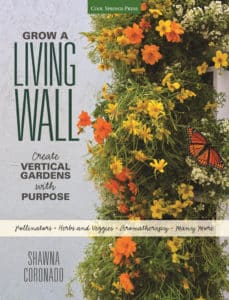

 (Julie Bawden-Davis)

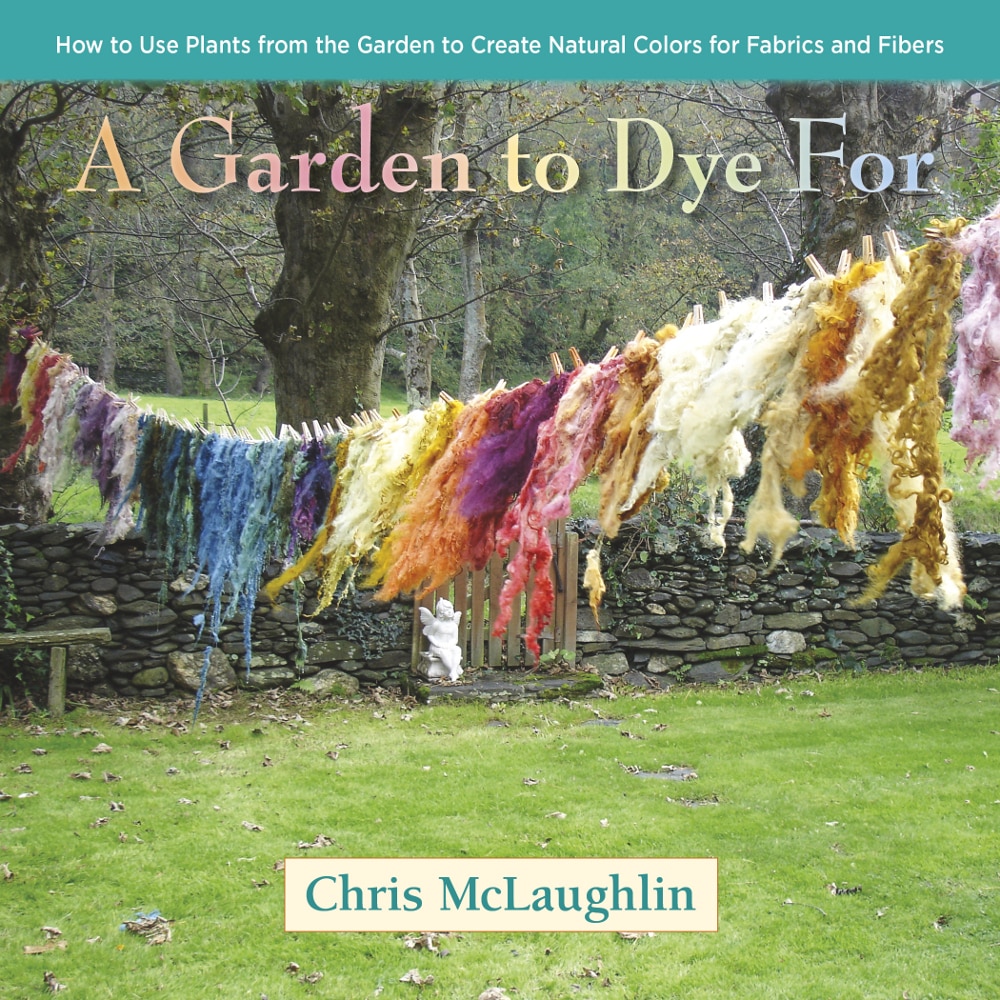 McLaughlin’s book is chock full of photos of naturally dyed items and features more than 40 garden plants that can be used to make a rainbow of colors for your eggs and more. She dyes with hot and cold dye methods. The latter is her favorite, because the process results in intense colors.
Here McLaughlin shares her cold dye method for your Easter eggs.
Pick plants from the garden. Good choices include rudbeckia, calendula, coreopsis, St. John’s wort, marigold, and chamomile. Make certain that the plant materials you gather from the garden are not toxic. Dyes for eggs to be eaten should always be made only from edible plants.
Use kitchen scraps. Try beets, blackberries, blueberries, onion skins, red cabbage, and turmeric.
Simmer the dye materials separately in pots of water for 20-25 minutes. Remove the materials from the water.
Pour each dye color into a glass jar or bowl and add 1/8 cup of vinegar. Let the liquid cool.
Add hardboiled eggs to each dye color. Leave the eggs in the solutions for at least an hour and up to 10 hours. (If you plan to eat the eggs and soak them for more than one hour, keep them soaking in the dye mix in the refrigerator).
Note how you made your favorite dye colors. To ensure that you can recreate your masterpiece hues, record what materials you used, how much, and how long you kept the eggs in the dye.
Julie Bawden-Davis is a garden writer and master gardener, who since 1985 has written for publications such as Organic Gardening, Wildflower, Better Homes and Gardens and The Los Angeles Times. She is the author of seven books, including
McLaughlin’s book is chock full of photos of naturally dyed items and features more than 40 garden plants that can be used to make a rainbow of colors for your eggs and more. She dyes with hot and cold dye methods. The latter is her favorite, because the process results in intense colors.
Here McLaughlin shares her cold dye method for your Easter eggs.
Pick plants from the garden. Good choices include rudbeckia, calendula, coreopsis, St. John’s wort, marigold, and chamomile. Make certain that the plant materials you gather from the garden are not toxic. Dyes for eggs to be eaten should always be made only from edible plants.
Use kitchen scraps. Try beets, blackberries, blueberries, onion skins, red cabbage, and turmeric.
Simmer the dye materials separately in pots of water for 20-25 minutes. Remove the materials from the water.
Pour each dye color into a glass jar or bowl and add 1/8 cup of vinegar. Let the liquid cool.
Add hardboiled eggs to each dye color. Leave the eggs in the solutions for at least an hour and up to 10 hours. (If you plan to eat the eggs and soak them for more than one hour, keep them soaking in the dye mix in the refrigerator).
Note how you made your favorite dye colors. To ensure that you can recreate your masterpiece hues, record what materials you used, how much, and how long you kept the eggs in the dye.
Julie Bawden-Davis is a garden writer and master gardener, who since 1985 has written for publications such as Organic Gardening, Wildflower, Better Homes and Gardens and The Los Angeles Times. She is the author of seven books, including