Portfolio Categories: COMMUNITYTABLE.COM

Square Foot Gardening Creator Mel Bartholomew Dies at 85

Mel Bartholomew, creator of the Square Foot Gardening method and author of the bestselling book on the subject, passed away last Thursday at the age of 85. A household term for gardeners, the Square Foot Gardening method of intense planting revolutionized backyard gardening. Green thumbs all over the world learned that you can easily grow an abundance of produce in a surprisingly small space.

Since Bartholomew’s seminal book on the method, Square Foot Gardening, came out in 1981, more than 2.5 million copies of books on the subject have been sold, making him a bestselling gardening author. Bartholomew used the proceeds from the sale of his books to create the Square Foot Gardening Foundation, which seeks to share the gardening method throughout the world in an effort to help end world hunger.
Bartholomew created the Square Foot Gardening method when he retired as an engineer and decided to use his engineering skills to garden. This resulted in a method that focuses on planting densely in a grid-like pattern in 12×12-foot planting beds that are further divided and planted. Each square within the bed is used for a different crop. In addition to producing an abundant harvest in a tight space, the gardening method prevents weeds and reduces the possibility of pests and diseases, which don’t tend to multiply when there are several different types of crops present. During his career, Bartholomew hosted a PBS television show on the method and trained a wide network of instructors. The Square Foot Gardening Foundation has vowed to carry on his mission of fighting world hunger. Julie Bawden-Davis is a garden writer and master gardener, who since 1985 has written for publications such as Organic Gardening, The American Gardener, Wildflower, Better Homes and Gardens and The Los Angeles Times. She is the author of seven books, including Reader’s Digest Flower Gardening, Fairy GardeningThe Strawberry Story Series, and Indoor Gardening the Organic Way, and is the founder of HealthyHouseplants.com.

Grow Dazzling Hydrangea in Your Spring Garden

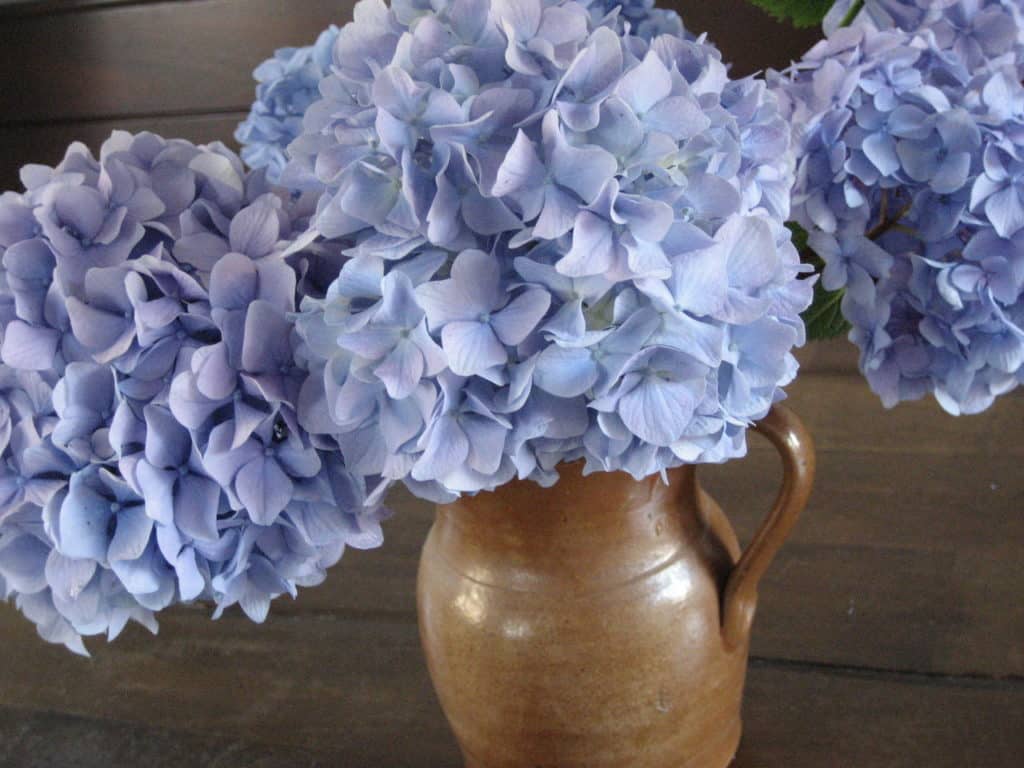
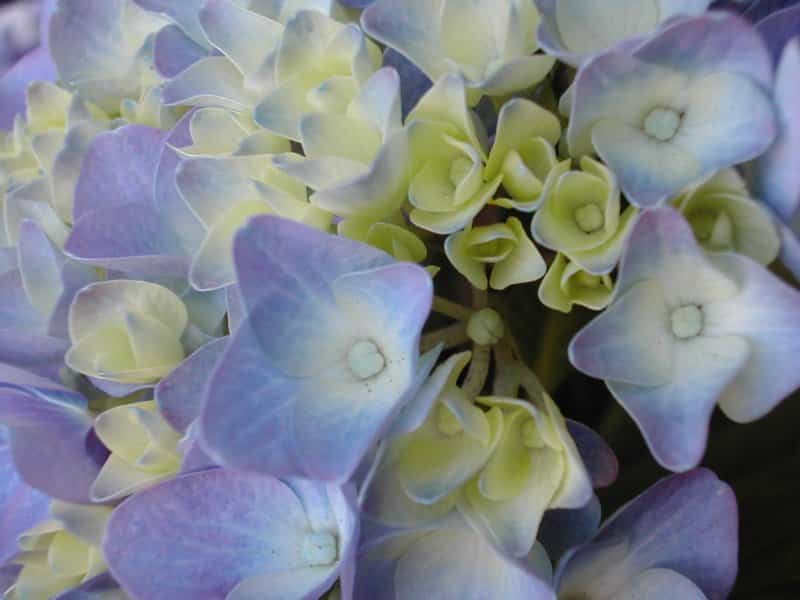
With their pom-pom like vibrant blooms that come in pink, blue, white or purple, hydrangeas can’t help but light up the garden. Beginning to bud up now, these free-flowering shrubs promise to grace your outdoors from late spring into fall. Even better, this plant’s striking blooms are long-lasting and will decorate your home for weeks at a time.

To have the best luck growing hydrangeas, which can be planted now, keep the following tips in mind. Choose the planting location wisely. Hydrangeas grow best in a location with morning sun and afternoon shade—such as an eastern exposure. They can also thrive in dappled sunlight. They will not do well in heavy shade, such as under a tree or in the shadow of a structure. Also ensure that the planting location will allow the hydrangea to comfortably reach its full size, which is generally about 4×4-feet for standard-sized shrubs.
(Joey Vedders/Freeimages.com)
Prepare the soil. Hydrangeas require rich, well-draining soil. Add compost prior to planting and use it for mulch on established plants. To grow blue hydrangea flowers, you need soil that is on the acidic side. If you live in an area of the country that has alkaline soil, this means amending your soil with soil sulfur and feeding with an acid fertilizer. Plant correctly. To plant, dig a hole that is two to three times wider than the root ball and just as deep. Set the plant into the hole and cover with half of the soil or soil/compost mix. Water well. Add the remaining soil and water again. When the planting is completed, the shrub should be at the same height as it was in its nursery pot.
(JHorna Smidt/Freeimages.com)
Keep hydrated. As their name suggest, hydrangeas are water-loving plants. Keep the soil evenly moist, but not soggy. Fertilize twice a year. Avoid over-fertilizing hydrangea, as this can lead to leafy growth at the expense of blooms. Feed in the spring and again midsummer with a fertilizer designed for flowering shrubs. In order to maintain blue flowers, use an acid-based fertilizer. Know when to prune. Avoid pruning after August 1st, as flower buds for the following season set by then. The best times to prune are spring and early summer. To encourage branching and a full look, cut out two or three of the oldest stems at the base of the plant.
(Joey Vedders/Freeimages.com)
Try drying them. Hydrangeas make excellent dried flowers. Cut the flowers when they have matured and are somewhat papery. Cut leaves from the stems and hang the flowers upside down in a well-ventilated area out of direct sunlight. They will dry in seven to 10 days, depending on your climate. Julie Bawden-Davis is a garden writer and master gardener, who since 1985 has written for publications such as Organic Gardening, The American Gardener, Wildflower, Better Homes and Gardens and The Los Angeles Times. She is the author of seven books, including Reader’s Digest Flower Gardening, Fairy GardeningThe Strawberry Story Series, and Indoor Gardening the Organic Way, and is the founder of HealthyHouseplants.com.

Grow Heavenly Scented Lilacs in Your Spring Garden

As serendipity would have it, I smelled my first lilacs when I was nine and had just finished reading the Nancy Drew book, The Mystery at Lilac Inn. Though I enjoyed the book’s plot, as a budding green thumb, I remember being more intrigued by the lilacs. What did they smell like, I wondered, and were they as beautiful as they looked?

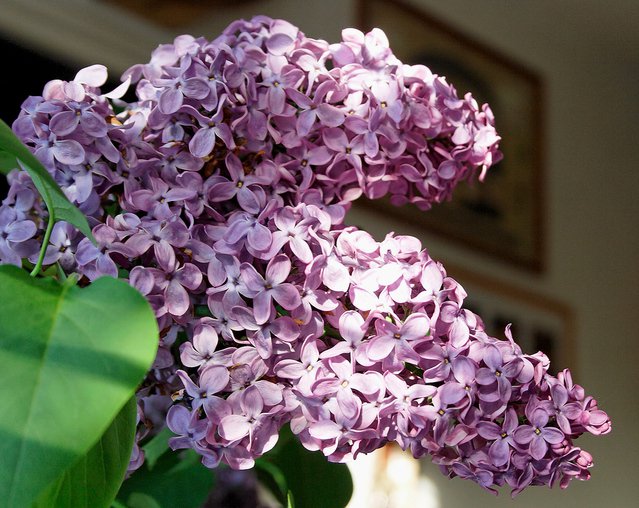
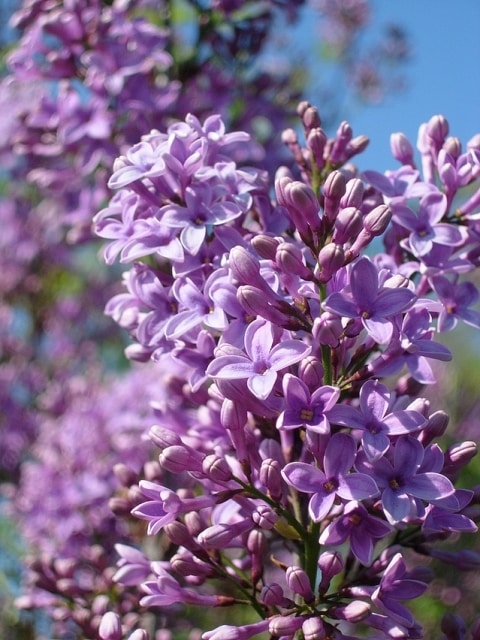
To my delight, lilacs lived up to their reputation. The gorgeous lavender clusters of blooms emitted the most charming fragrance I’d ever encountered. Now is the time to plant this heavenly flowering shrub, which blooms spring through early summer. To have luck growing lilac, keep the following cultivation tips in mind. Choose the growing location carefully. Lilacs grow best in full sun. They can tolerate some shade later in the day. Ensure sufficient space for growth by checking out the mature height and spread of the species you are planting. Some lilac bushes will eventually reach 25 feet high. Lilacs prefer soil that is slightly acidic to slightly alkaline. Provide excellent drainage. Lilacs don’t do well with wet feet. Plant in a location that drains well. Test the area by digging a 12-inch-deep hole and filling it with water. If the water doesn’t drain within an hour, find another planting site, or amend with compost and pumice to improve the drainage. Once you’ve finished amending, retest the drainage.
(Claudia Meyer/FreeImages.com)
Plant. Place the lilac bush in a hole that is as deep and wide as the plant’s root system. If the plant is in a container, place it at the same level as it was in the pot. When planting bareroot lilacs, place the top layer of roots two to three inches below the surface of the soil. Water regularly. Lilacs prefer to be kept moist but not soggy. Water when the top one to two inches of soil has dried out. Avoid wetting foliage when watering, as lilacs are prone to mildew.
(Anthony Foshay/FreeImages.com)
Feed monthly. Lilacs require fertilizing during the growing season. Start feeding monthly in early spring and continue until June. Use a well-balanced, organic fertilizer designed for flowering plants. Deadhead. Cutting off spent blooms will cause repeat-blooming varieties to produce more flowers. With types that don’t repeat bloom, cutting off finished flower buds makes the plant look nicer overall.
(Mira Pavlakovic/FreeImages.com)
Cut flowers to enjoy. Perfume the indoors by cutting flowers in the early morning before the sun becomes harsh. Crush the bottom of the stems and put the flowers in a vase of warm water. Prune. Trim back your lilac bush right after flowering. Avoid pruning any later than July, or you will most likely remove flower buds meant for the following spring. When pruning, trim out spent flower buds and thin old wood and crossing branches. If the plant is young, prune lightly just to shape. For older plants that have gotten larger than you like, prune back by no more than one-third, removing the oldest branches. Julie Bawden-Davis is a garden writer and master gardener, who since 1985 has written for publications such as Organic Gardening, The American Gardener, Wildflower, Better Homes and Gardens and The Los Angeles Times. She is the author of seven books, including Reader’s Digest Flower Gardening, Fairy GardeningThe Strawberry Story Series, and Indoor Gardening the Organic Way, and is the founder of HealthyHouseplants.com.

Grow Yummy Blueberries in Your Spring Garden

As kids growing up in the late 1960s and early 1970s in rural Massachusetts, I and my three sisters spent many happy hours roaming a nearby forest and snacking on wild blueberries. We’d come home after a day of foraging with blue tongues, mouths and fingers, grinning from what was no doubt an antioxidant high inspired by Mother Nature’s bounty.

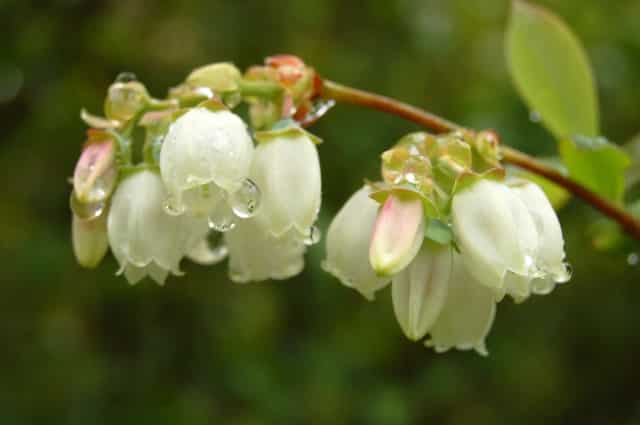
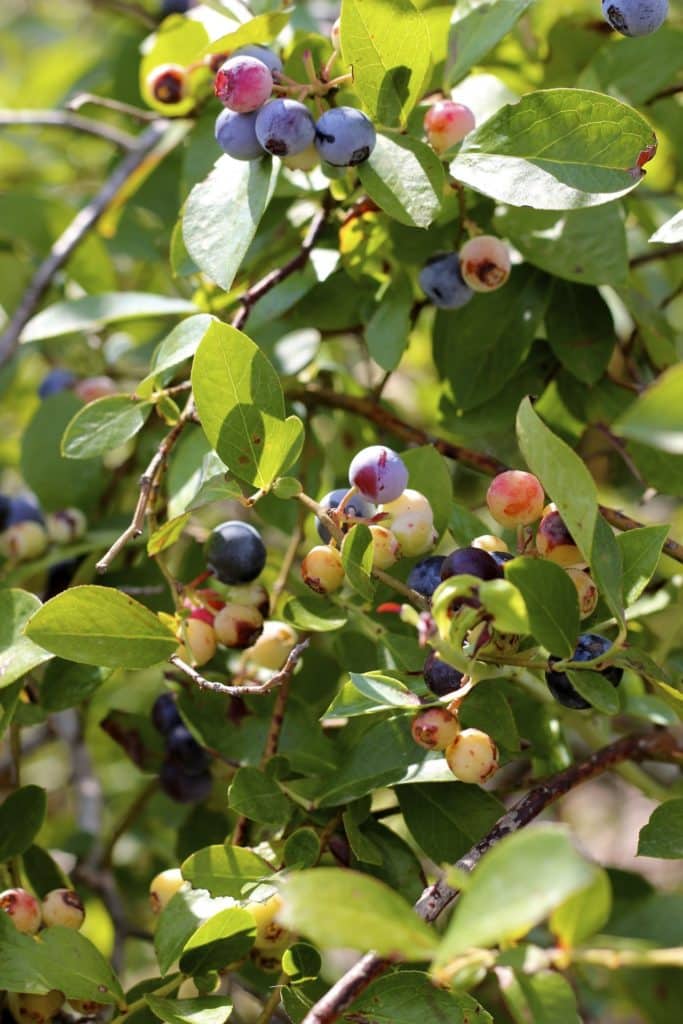
Today I live in Southern California, where the alkaline soil isn’t hospitable to this acid-loving berry bush, but I am able to enjoy a blueberry bounty by growing them in containers. That means you can experience the sweet goodness of homegrown blueberries, no matter where you live. Now is the time to plant blueberry bushes. Follow these tips for growing your own delicious, antioxidant rich berries. Plant in full sun. Blueberries require a location that receives sun most of the day. Opt for a location that gets sun until at least 2 or 3 pm. Provide acidic soil. The soil pH for successful blueberry growing should be around 5.0. If the blueberry bush is grown in more alkaline soil, the plant will fail to thrive and won’t fruit. Signs that the soil is too alkaline include yellowing and dropping foliage, which is caused by the plant’s inability to take up sufficient iron. If you are unsure of the pH of your soil, perform a soil test. Most university cooperative extension offices perform soil testing, as do soil laboratories. Or you can do your own test by using a soil test kit purchased from your local nursery.
(Julia Freeman-Woolpert/Freeimages.com)
Amend. To create a soil that is hospitable to blueberry bushes, amend with homemade or bagged compost and soil sulfur. Sulfur lowers the pH of the soil. Before planting, wait two weeks and retest the soil in order to ensure that the pH is at the correct level for growing blueberries. Blueberries also require good drainage, so amending with compost will help to keep things draining well.
Plant carefully. Place blueberries in the soil at exactly the same depth as they’ve been growing in their nursery containers. Top-dress the soil with a thin layer of compost. Grow in a container. If your native soil is naturally alkaline, rather than fight Mother Nature, plant blueberry bushes in pots in a mix of pure peat moss with one part pumice or perlite and one part worm compost.
(Kelsey Johnson/Freeimages.com)
Plant more than one variety. In order to flower and fruit successfully, blueberries require that you plant at least two different varieties. The cross pollination will ensure fruiting and increase yield. Keep well watered. Blueberries are shallower rooted than many shrubs, so it’s important to maintain moist but not soggy soil during flowering and fruiting. Water in the absence of rainfall when the top inch of soil has dried out. Fertilize in early spring. When the plant begins to break dormancy, feed with an organic fertilizer, such as a 10-10-10 or a 10-5-5, which will lead to strong growth and abundant flowering and fruiting. Prior to planting, add an organic starter fertilizer to the soil. Prune. Refrain from cutting a blueberry bush back until its third year. After the plant finishes fruiting at that point, trim back by one-third, removing the oldest, dark colored branches. Prune to open the bush up and shape it. Julie Bawden-Davis is a garden writer and master gardener, who since 1985 has written for publications such as Organic Gardening, The American Gardener, Wildflower, Better Homes and Gardens and The Los Angeles Times. She is the author of seven books, including Reader’s Digest Flower Gardening, Fairy GardeningThe Strawberry Story Series, and Indoor Gardening the Organic Way, and is the founder of HealthyHouseplants.com.

Growing Columbine in Your Spring Garden

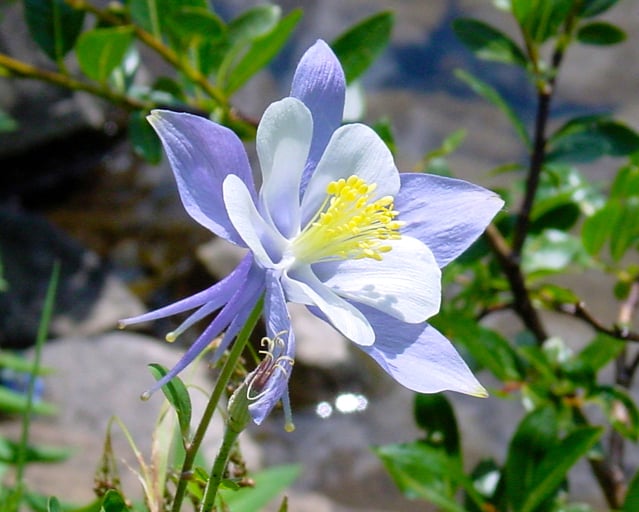
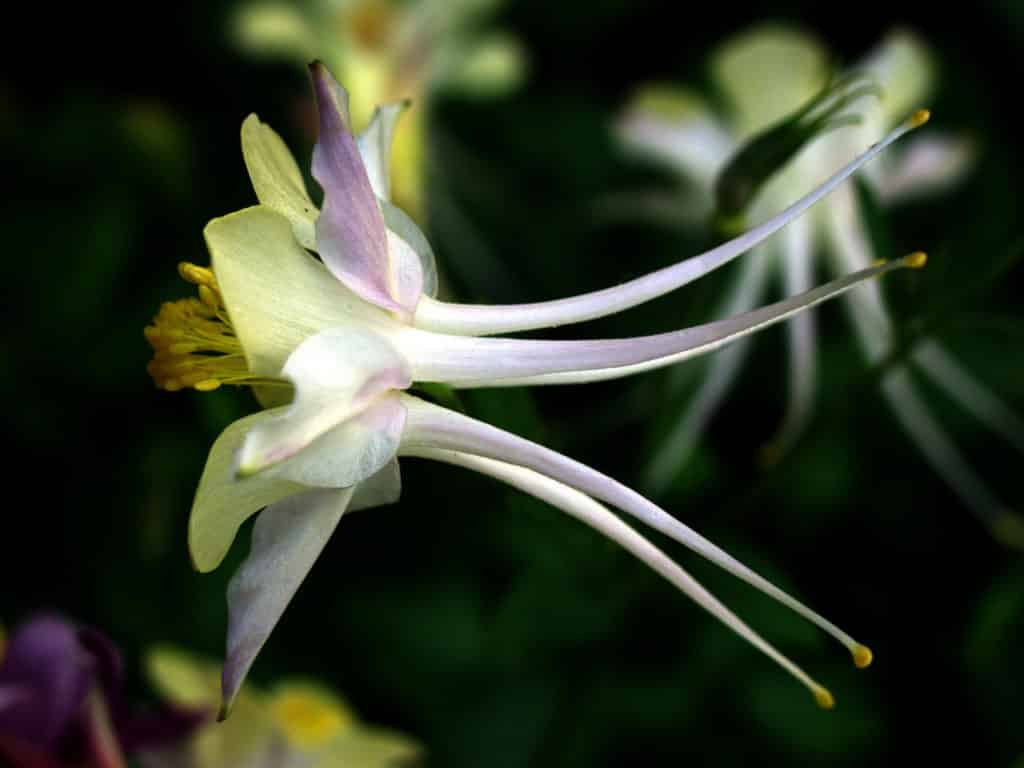
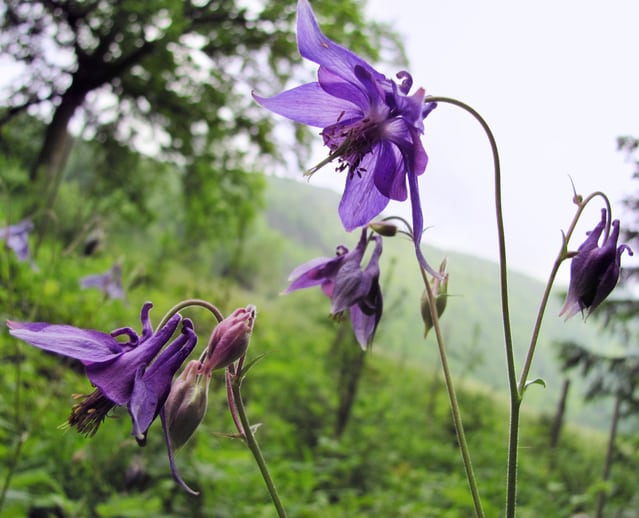
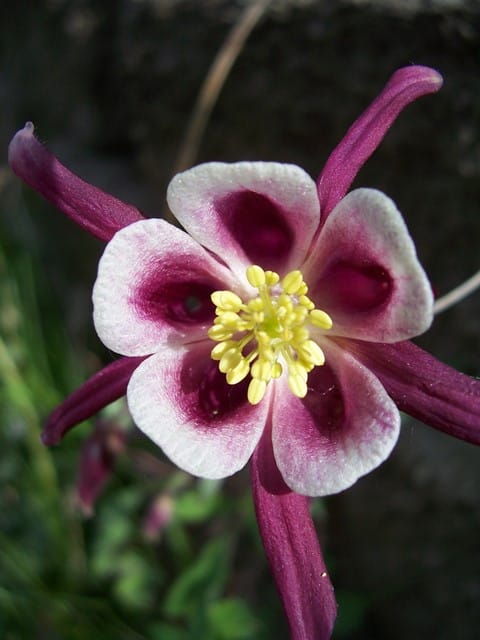
I remember well the first time I saw a columbine flower in my garden. It was years ago when I was new to gardening and had just moved into my home. Most likely planted by the previous owner, the purple, bell-shaped bloom with its brilliant yellow stamen mesmerized me.

Known for its distinctive spurred flowers that come in a wide variety of colors—from pastels to bright orange, red and purple—columbine blooms from spring through early summer. In addition to brightening up your garden, the plant attracts hummingbirds.
(Phil Landowski/FreeImages.com)
Now is the time to plant this perky beauty in the garden. For the best luck growing columbine, keep the following planting and cultivation tips in mind. Provide adequate lighting. Columbine requires sufficient sun to flower well. Plant in a location that gets at least five to six hours of sunlight a day. More gentle morning sun is preferable to harsh afternoon lighting, especially in warm climates like Southern California and Florida. Prepare the soil. Plant columbine in fertile soil that is loose and well-draining. Break up heavy clay by adding homemade or bagged compost and pumice. Bulk up sandy soil by adding compost.
(Michaela Kobyakov/FreeImages.com)
Plant. Put columbine in the garden in the spring once the threat of frost has passed. Plant columbine 1 to 3 feet apart, depending on the variety. Water well.
Water regularly. Columbine prefers to be kept moist but not soggy. Water when the top inch of soil has dried out. Fertilize. Feed columbine monthly spring through summer with an organic fertilizer designed for flowering plants. Watch for disease. Columbine fall victim to powdery mildew. The spores of this fungal disease spread via wind and water. Powdery mildew tends to attack when daytime temperatures are warm and nights are cool. Cut out affected plant parts and carefully dispose of them, so that you don’t spread more spores. Also help keep this problem at bay by providing plants with good air circulation.
(Trisha Shears/ FreeImages.com)
Keep an eye out for pests. Leafminers love to dine on columbine. These are tiny fly larvae that feed on the inside of leaves. Their damage consists of light-colored circular patterns that appear on foliage. If you see leafminer damage, cut off the infected leaves and carefully dispose of them. New leaves should be free of miners. Enjoy new plants. The columbine you plant in your garden will only last two to three years, but the plant will re-seed. If your soil is fertile, expect to be graced by these beautiful blooms for years to come. Julie Bawden-Davis is a garden writer and master gardener, who since 1985 has written for publications such as Organic Gardening, The American Gardener, Wildflower, Better Homes and Gardens and The Los Angeles Times. She is the author of seven books, including Reader’s Digest Flower Gardening, Fairy GardeningThe Strawberry Story Series, and Indoor Gardening the Organic Way, and is the founder of HealthyHouseplants.com.

Grow Hardy Geraniums in Your Spring Garden

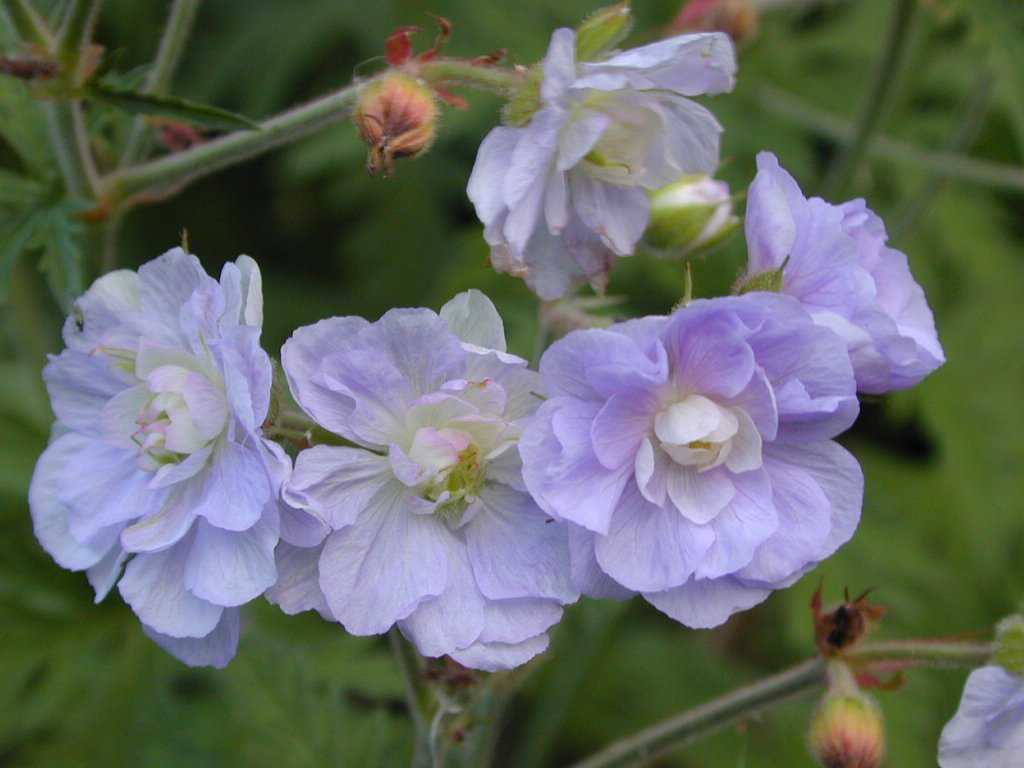
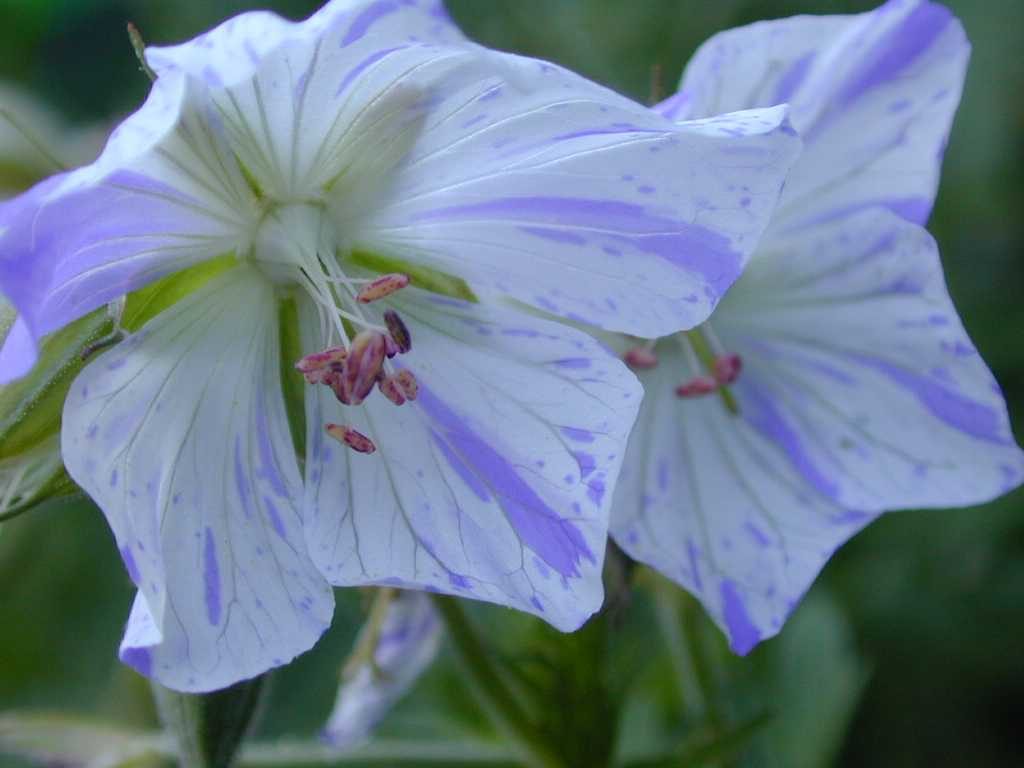
Hear the word geranium, and you may picture those plants native to southern African with their large, often primary colored flowers and strongly scented foliage. To be accurate, those are actually pelargoniums. True geraniums feature delicate, often variegated foliage and flowers in more muted shades of violet, blue, pink and white.

True geraniums, which are also called hardy geraniums, are versatile plants capable of growing in just about any climate. There are varieties of this plant for shade and sun. They make great groundcovers, rock garden plants and grow well in containers and perennial borders. Now is the time to plant true geraniums, which will flower from early spring into late fall. Keep the following growing tips in mind. Provide well-drained, fertile soil. Hardy geraniums require a soil that drains well, yet retains nutrients. If you live in an area with heavy clay, amend with compost to increase drainage. For sandy soil, also add compost to bulk it up.
(FreeImages.com/Gillian Townsend)
Keep the soil evenly moist. True geraniums do best when the soil is kept moist, but not soggy. Water the plants on a regular basis in the absence of rainfall. If you live in a climate with hot, dry summers, mulch the soil to seal in moisture and keep the plants from becoming heat stressed. Provide the proper exposure. Generally, hardy geraniums do best in morning sun and afternoon shade, although there are some varieties, such as G. pratense and G. sanguineum that do well in full sun. For geraniums that thrive in shade, try G. endressii ‘Wargrave Pink’, G. maculatum, G. phaeum and G. nodosum, the latter of which grows in deep shade.
(FreeImages.com/Gillian Townsend)
Prune occasionally. True geraniums are essentially a wildflower that doesn’t require much fuss, but if you find that the plant looks unruly, cut back the foliage by one to two-thirds. This will stimulate new, more compact growth. Julie Bawden-Davis is a garden writer and master gardener, who since 1985 has written for publications such as Organic Gardening, The American Gardener, Wildflower, Better Homes and Gardens and The Los Angeles Times. She is the author of seven books, including Reader’s Digest Flower Gardening, Fairy GardeningThe Strawberry Story Series, and Indoor Gardening the Organic Way, and is the founder of HealthyHouseplants.com.

Tips for Planting Fragrant Wisteria

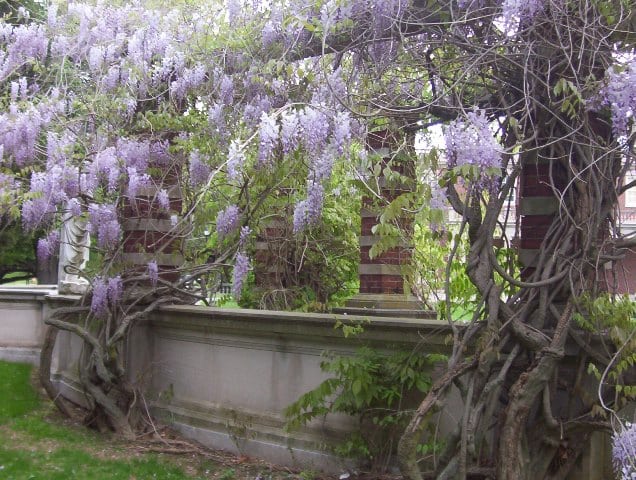
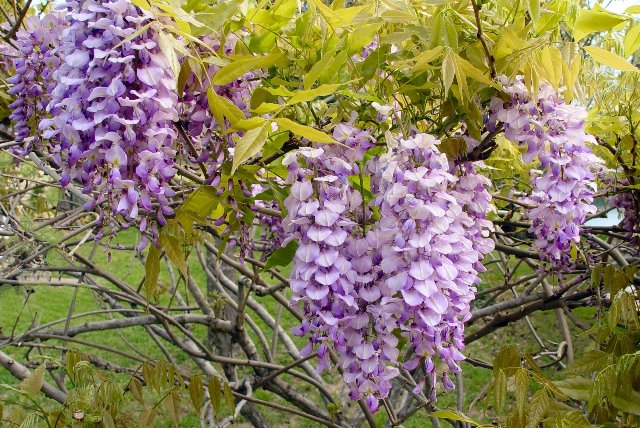
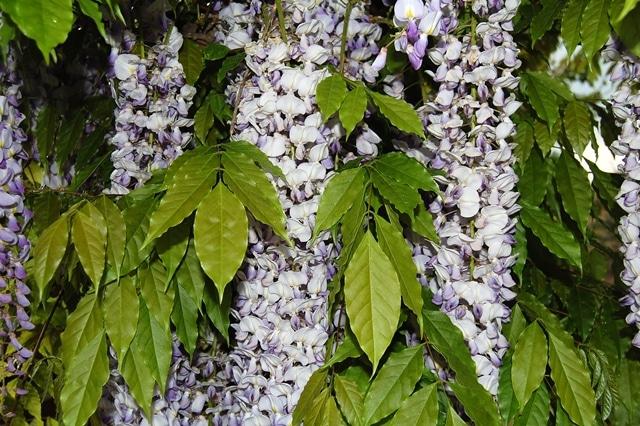
With its wispy, soft foliage and drooping clusters of perfumed flowers, wisteria adds elegance and fragrance to the garden. Plant this eye-catching vine, and you’ll find that it takes center stage in your landscape. Most wisteria features purple-blue flowers, although there are varieties with white blooms.

Now is the perfect time to choose your wisteria and prepare for planting. Wisteria will soon be coming out of dormancy, and depending on the variety, will bloom in spring or early summer.
(FreeImages.com/Angela Watts)
To have luck growing this eye-catching plant, consider the following. Plant in full sun. Wisteria requires a minimum of six hours of sunlight daily. To grow as a vine, plant in an area where wisteria can spread, because it tends to grow indefinitely, with some vines reaching as long as 120 feet. Wisteria requires a strong and sturdy structure on which to grow, such as a patio cover, fence or arbor.
To grow as a shrub or tree, purchase a wisteria that has already been trained in this manner or try pruning and training a young wisteria to your desired height and shape. Do this by removing all but one of the main stems and staking the plant securely. When the plant reaches the height you desire, pinch the plant at that level, which will force branching at that point. Remove any buds that form below that point. Provide excellent drainage. Wisteria will grow in most soil types, but it doesn’t tolerate wet feet. Check drainage in the area where you want to plant by digging a 1-foot-deep hole and filling it with water. If there are more than a couple of inches of standing water after six hours, the drainage isn’t sufficient in that site. Create better drainage by adding compost and pumice, or find a more ideal planting location.
(FreeImages.com/LorettaHumble)
When planting wisteria, place the graft union (the swollen point on the wisteria stem where the wisteria joins the rootstock) one to two inches aboveground. Water newly planted wisteria twice a week in the absence of rainfall. Established wisteria requires a weekly soaking during warm weather. Wisteria reacts badly to drying out—especially in August and September when the plant sets buds for the following spring. Fertilize wisteria twice a year. Give the plant an application of a well-balanced fertilizer in the early spring, such as a 16-16-16 or 10-10-10, and then feed the plant in the late summer with a fertilizer that is low in nitrogen and higher in phosphorus and potassium, such as a 5-20-10. The latter fertilizer encourages good flowering and strong roots.
(FreeImages.com/Kata Szikora)
Prune wisteria when the plant finishes blooming in late spring or early summer. Trim to the desired shape and to control size. Pruning at other times of the year could result in removing flower buds.  Julie Bawden-Davis is a garden writer and master gardener, who since 1985 has written for publications such as Organic Gardening, The American Gardener, Wildflower, Better Homes and Gardens and The Los Angeles Times. She is the author of seven books, including Reader’s Digest Flower Gardening, Fairy GardeningThe Strawberry Story Series, and Indoor Gardening the Organic Way, and is the founder of HealthyHouseplants.com.

Pollinator-Friendly Gardening for the Bees

Compared to issues like war and climate change, gardening may seem frivolous. Yet growing flowering perennials, annuals, shrubs, vines and trees is something we can do to make the world a better place for ourselves and wildlife.

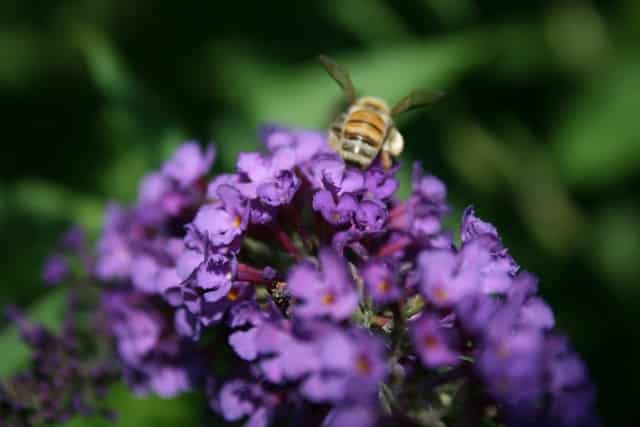
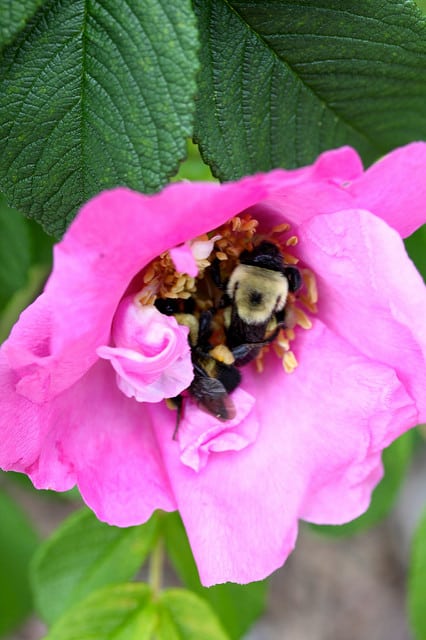
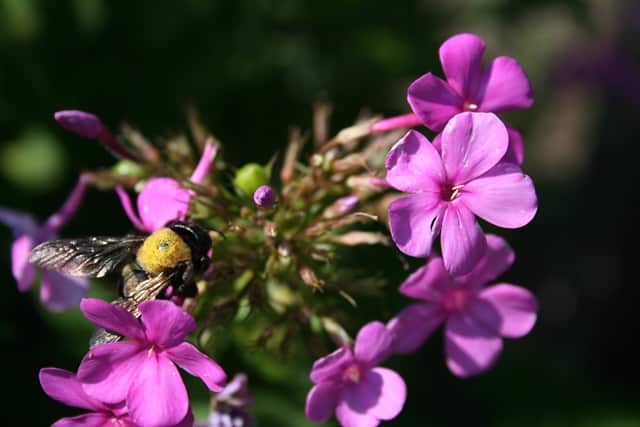
Growing a pollinator-friendly garden is an important contribution to our climate and food supply, says Rhonda Fleming Hayes, author of Pollinator Friendly Gardening: Gardening for Bees, Butterflies, and Other Pollinators. “Gardeners may even save the day,” she says. “No one garden can solve the pollinator problem, but small changes by many can have an enormous impact by providing wildlife with refuge amidst shrinking habitat.” Why Pollinators Are Vital “Pollinators are responsible for every third bite of food we take—including healthy veggies and fruits,” says Hayes. “Of the entire world’s plant species, two-thirds depend on animal pollination. Many people think of pollen as that yellow irritant that gets in their noses and on their clothes, but the truth is that pollen is magic dust, and pollinators like bees, wasps, butterflies, moths, beetles, flies (not house), hummingbirds and bats do the vital work of spreading that dust around.” Bees are the top pollinators, including honeybees, which are general foragers that visit a wide variety of flowers. Other types of bees that do pollinating work include bumblebees, carpenter bees, sweat bees and mason bees. Some of these other types of bees are very effective in their pollination efforts. For instance, it takes 100 honeybees to do the same work as just one mason bee.
(Rhonda Fleming Hayes)
Gardening for the Bees Creating a pollinator-friendly garden that feeds and protects the bees is a lot easier than you may think. Hayes suggests attracting these busy buzzing insects by providing the following:
Abundant food. Plant more flowers. Many gardeners have gravitated toward easy care gardens in recent years that feature evergreen foliage plants, but that doesn’t give bees and other pollinators anything to feed on. Look into growing as many types of bee-friendly flowers as possible, including aster, goldenrod (Solidago), purple coneflower (Echinacea), milkweed (Asclepias), zinnia, cosmos, sunflower, calendula, alyssum, blazing star (Liatris), herbs like borage, mint, oregano and basil, and trees and shrubs like linden, crabapple, mountain ash, maple, redbud, azalea, lilac, pussy willow, holly and viburnum (many more are listed in Hayes’s book.) Safe environment. Avoid pesticides, as they don’t discriminate, but kill off all bugs—including beneficial ones, like bees and butterflies. As a matter of fact, certain pesticides (neonicotinoids) are now suspected as one of the reasons for colony collapse disorder (CCD), a disturbing phenomenon that causes the worker bees of honeybee hives to suddenly disappear, leading to the demise of entire colonies. Rather than spraying pesticides, Hayes suggests taking a wait and see approach. “Most pest problems in the garden solve themselves if you just let Mother Nature take care of them.”
(Julie Bawden-Davis)
Places to nest. Giving bees locations to nest and raise their young goes a long way toward keeping your garden pollinator friendly. “Most bees won’t hurt you, unless they’re disturbed, and even then, they don’t want to sting you,” says Hayes, who notes that more than 90 percent of bee species in North America are solitary ones. To provide bees with welcoming accommodations, leave decaying wood in the garden, where they can enter and set up house. Also keep in mind that 70 percent of bees nest in the ground. This means that they require bare soil that hasn’t been heavily mulched. Also help out the bees by locating nesting areas in close proximity to foraging sites containing flowering plants. Julie Bawden-Davis is a garden writer and master gardener, who since 1985 has written for publications such as Organic Gardening, Wildflower, Better Homes and Gardens and The Los Angeles Times. She is the author of seven books, including Reader’s Digest Flower GardeningFairy GardeningThe Strawberry Story, and Indoor Gardening the Organic Way, and is the founder of HealthyHouseplants.com.

Trees Stressed by Extreme Weather? Try Whispering

As you observe your trees this winter and spring, put your ear to the ground and your hand on their trunks and listen. What you hear may enlighten you and help ensure that your trees stay strong and healthy, no matter what weather comes along.

With the volatile cold winter weather in some parts of the country, tornadoes in others and the unseasonably warm weather and drought in parts of the west, many trees have suffered in recent months, says Jim Conroy, who has a doctorate in Plant Pathology from Purdue University and previously worked as an executive at top agricultural-chemical companies. Today, he is cofounder of The Institute for Cooperative BioBalance (IfCBB) and creator of Tree Whispering, a product-free method he devised to save ailing trees and keep them healthy. “Trees are confused right now,” says Conroy. “They need enough moisture in their buds to keep them from desiccating, and they don’t want those buds to freeze, as this will lead to decreased or no buds at all come spring. Other common problems seen with trees now and in the spring include loss of branches, late leafing out and slow development.” So what can you do when Mother Nature confuses your trees? Conroy suggests taking a leaf from his book and using your intuition to “whisper” to them. He is an authority on nature-based communication, healing trees and plants with a holistic approach that focuses on restoring their inner workings. “The word whisper generally means to speak softly and privately with another,” says Basia Alexander, co-founder of IfCBB. “Whispering with horses, dogs and babies became popular in the 1990s.” “Tree whispering is a profound experience of mutual connection with the life force of a plant,” explains Conroy, author of Tree Whispering: A Nature Lover’s Guide to Touching, Healing, and Communicating with Trees, Plants, and All of Nature. “When I touch a tree, I feel the bark, but I also feel a flow of power, like a current, moving from the roots to the branches and leaves. This force gives me details about the tree’s inner health in ways that conventional science and technology cannot.” Trees require a balance of moisture to keep their buds healthy, and extreme weather can imbalance them, so Conroy will work to balance moisture content. “I call it getting in touch with the growth energy of trees and plants,” he says. “Anyone can do it.”
Jim Conroy, tree whispering (Jim Conroy)
To help gardeners communicate with, heal and protect their plants, Conroy and Alexander release tree whispers for various purposes—such as drought and storm warnings.
“When Hurricane Sandy was coming in 2012, we wanted to help people help their trees, so we released Storm Prep Whispers they could use prior to and during the storm,” says Conroy. “Afterward, in many return emails, people told stories of saving their trees when their neighbors’ trees didn’t make it. That resulted in our writing the book, People Saving Their Trees in Hurricane Sandy.” Even if you aren’t sure about tree whispering—there’s no danger in giving it a try. “Tree Whispering feels good and empowering,” says Alexander. “Many gardeners find that they no longer feel hopeless about the state of the environment, because they learn a positive mindset and get preparatory messages they can use to protect and improve their landscapes.” Here are some whispers to try on your trees: For an ailing tree:
  • Please release blockages and distribute growth energy where it is needed.
  • Please orchestrate inner parts, feedback loop systems and functions to play in harmony.
For a tree about to experience extreme cold:
  • Please utilize your food resources in the optimum way to protect yourself from the cold.
  • Please optimize inner water volumes to protect your cells and parts and yet not become dehydrated.
  • Please power-up your bioenergy layers to protect your parts, buds and other growing points.
For a tree experiencing drought:
  • Roots, please stay healthy and strong so that when water returns you can help the rest of the tree or plant by transporting water.
  • Please allow the water you have to maintain your vital systems and life energy until more water comes.
  • Please conserve your inner resources to keep you balanced with the low moisture and to avoid shock.
Julie Bawden-Davis is a garden writer and master gardener, who since 1985 has written for publications such as Organic Gardening, Wildflower, Better Homes and Gardens and The Los Angeles Times. She is the author of seven books, including Reader’s Digest Flower GardeningFairy GardeningThe Strawberry Story, and Indoor Gardening the Organic Way, and is the founder of HealthyHouseplants.com.
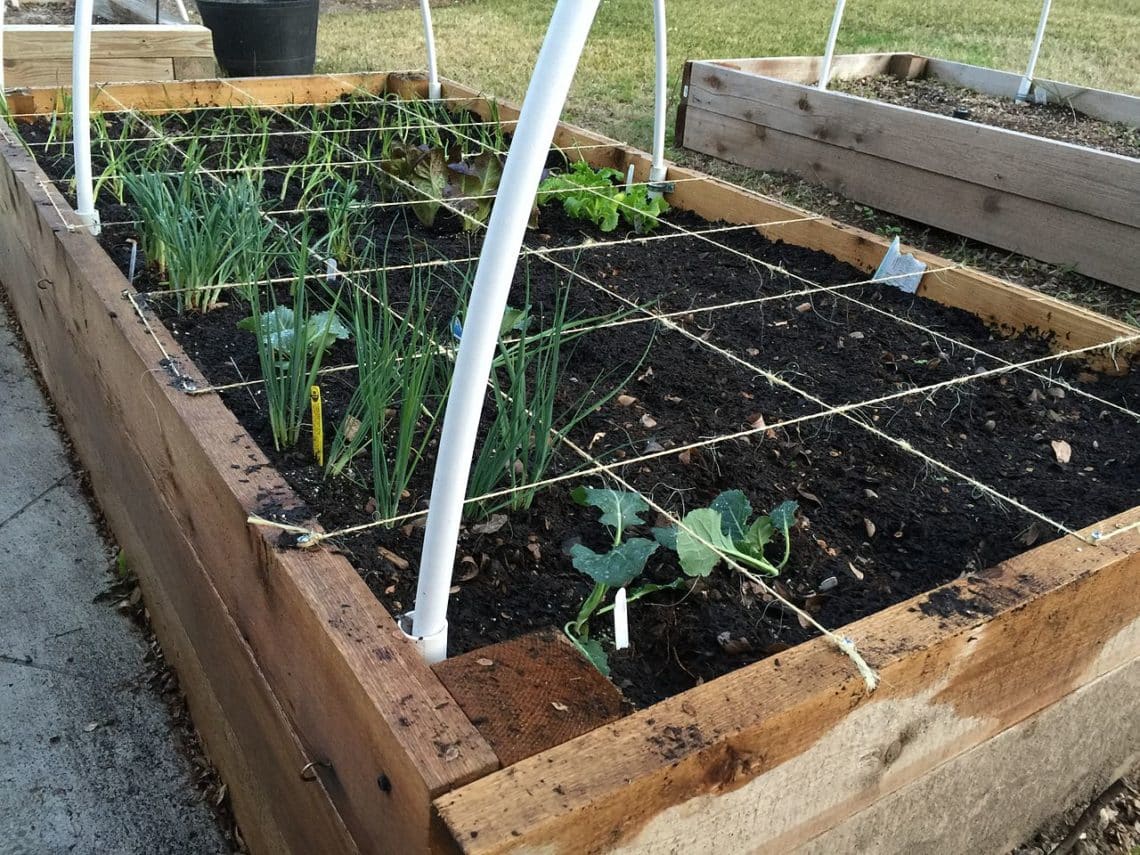
Plant Your Own Tasty Arugula

If you want to add zing and zest to your next salad, sandwich, pasta or stir-fry, try some homegrown arugula. This tangy star ingredient in mesclun salad mixes is a quick and easy grower.

Native to Southern Europe, arugula can be grown most of the year and even indoors. It does best in the cooler weather of late winter and early spring. Arugula seed germinates quickly and grows readily. Plant seed now and you’ll be munching on this zesty salad green in as little as three to four weeks. The plant is an annual that will last two to four months before going to seed. Once it begins to flower, the leaves become bitter, so it’s best to keep the flowers pinched off. Also keep in mind that the warmer the weather, the stronger the taste.
(Julie Bawden-Davis)
To have luck growing arugula, keep the following tips in mind: Plant arugula in an area of the garden that gets at least four to five hours of sun daily. Arugula will grow in a shadier area, but will produce less flavorful leaves. To plant arugula in the ground, remove weeds and loosen the area with a rake or hand trowel. Sprinkle seed over the soil and cover with a 1/4-inch layer of fine soil, such as a seed starting mix. Water well and keep the soil moist until the seed germinates, which should occur in five to seven days.
Arugula thrives in containers. Fill a pot with a pre-moistened, fine potting soil and sprinkle the surface with seed. Top off with a 1/8-inch layer of soil or seed starting mix. Water thoroughly and keep the soil moist until the seeds germinate. To grow arugula indoors, place under artificial, full-spectrum lighting in a cool room or a greenhouse. Water arugula prior to the soil surface drying out. Keep the plants moist but not soggy. Potted plants will require watering more often, especially in dry weather. Arugula isn’t a heavy feeder. Fertilize once when the plants get their first set of true leaves with an organic, liquid fertilizer. Weed your arugula patch on a regular basis so that the plants don’t get choked out or leaf production slows. For continual arugula harvest, sow seed every two to three weeks. This will ensure that you always have a good selection of young, tender leaves at peak flavor. Julie Bawden-Davis is a garden writer and master gardener, who since 1985 has written for publications such as Organic Gardening, Wildflower, Better Homes and Gardens and The Los Angeles Times. She is the author of seven books, including Reader’s Digest Flower GardeningFairy GardeningThe Strawberry Story, and Indoor Gardening the Organic Way, and is the founder of HealthyHouseplants.com.
Dreaming Ahead: Furniture for the Perfect Outdoor Space

Outdoor entertaining may be on hold right now while Old Man Winter makes himself at home in your garden, but don’t let that stop you from daydreaming about your next garden get together. As a matter of fact, now is a great time to plan how you’ll furnish your outdoor space so that you, family and friends flock to the garden when the weather warms.

(Julie Bawden-Davis)
In addition to a centralized location with a dining table where everyone can gather to share meals, add intimate seating and lounging areas in tucked away corners of the yard that lend themselves to private conversations. Choose well-constructed furniture made from materials such as hardwoods like teak and iron, and top chairs off with comfortable cushions made from weather-resistant material. When you’re looking for pieces to furnish and accent your outdoor rooms, Jack Carlisle, co-owner of The Potting Shed by Carlisle with Luis Sardinas, suggests vintage furniture, which he feels adds just the right special touch of surprise and whimsy to your outdoor rooms. “A vintage table from the 1920s or 1930s lends an air of simplicity to your outdoor living space that evokes a sense of style and relaxation,” says Carlisle. “Sit at such a table, with its basic lines and sturdy, quality craftsmanship, and you’ll find that it harkens back to a simpler time that gives a comfortable ambiance to your outdoor room.”
(Julie Bawden-Davis)
Some of the conversations you’ll enjoy with friends and family while sitting at a vintage table may even be about the furniture itself—for instance where a nick on the tabletop came from and when. “It’s a kick to think about how other generations sat around an old farm table and the conversations they had,” says Carlisle. “The scratches on the table’s surface and even gum stuck underneath bring to light the history and nostalgia of the piece, which gives it character and forges a connection to the past and the people who used the piece before you.”
(Julie Bawden-Davis)
Daytime events demand some form of cover, or your guests will seek shelter indoors. In addition to large shade trees, patio covers and awnings give a stable shade source close to the house. Patio umbrellas are another shade option. With their decorative fabrics, they lend an eye-catching focal point to the outdoors. And gazebos provide a shady retreat for everything from large gatherings to sharing private moments. Julie Bawden-Davis is a garden writer and master gardener, who since 1985 has written for publications such as Organic Gardening, Wildflower, Better Homes and Gardens and The Los Angeles Times. She is the author of seven books, including Reader’s Digest Flower GardeningFairy GardeningThe Strawberry Story, and Indoor Gardening the Organic Way, and is the founder of HealthyHouseplants.com.

Express Your Love on Valentine’s Day with Romantic Live Plants

Flowering plants that keep on giving say “I love you” louder and longer than your standard Valentine’s gifts. Give that special someone a flowering houseplant, and your sweetheart will think of you often.

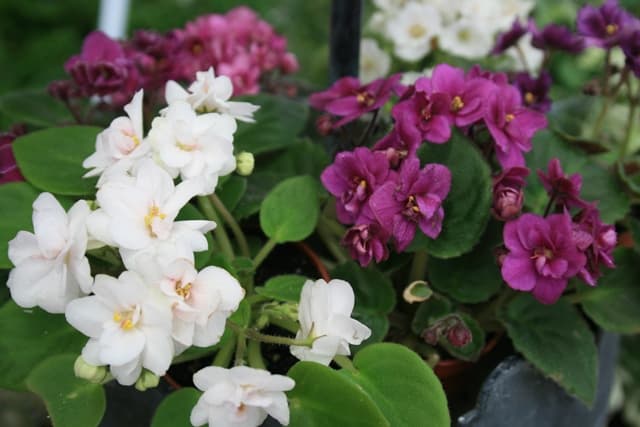
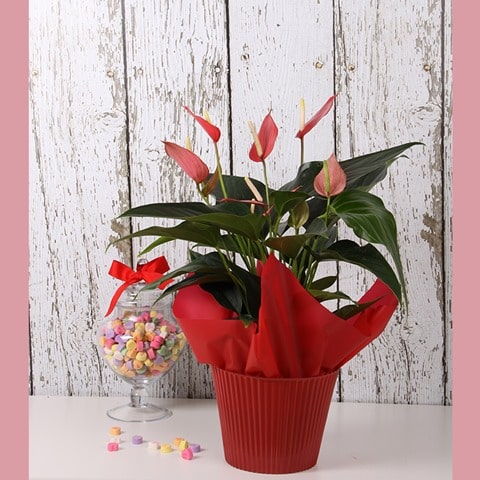
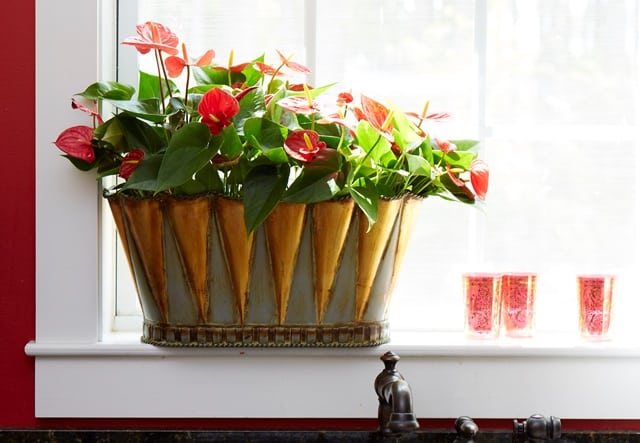
“A live houseplant for that someone special on Valentine’s Day is a unique and personalized gift that allows you to pick just the right flower for that person,” says Costa Farms’ garden expert Justin Hancock, who recommends the following blooming beauties for your beloved. African Violet These easy-to-grow flowering houseplants offer a wide variety of bloom colors, including cranberry, pink, purple, coral, mauve, lavender and white. Some blooms are variegated with spotting and striping. The plant features single or double flowers, with some ruffled or fringed. Provide African violets with bright, indirect light. A northern facing window is ideal. Keep the soil moist, but not soggy, and fertilize monthly with a well-balanced, organic fertilizer. These plants prefer high humidity, so place African violets on a humidity tray. Anthurium Few plants are as perfect as anthurium for Valentine’s Day. This beauty features heart-shaped leaves and flowers. The blooms come in shades of pink and red, as well as purple, white and coral.
Red Arthurium (Costa Farms)
Grow anthurium in bright light and provide humidity by placing the plant on a humidity tray. Water when the top inch of soil has dried out. Promote blooming by fertilizing every three months with a well-balanced, organic fertilizer.
Arthurium(Costa Farms)
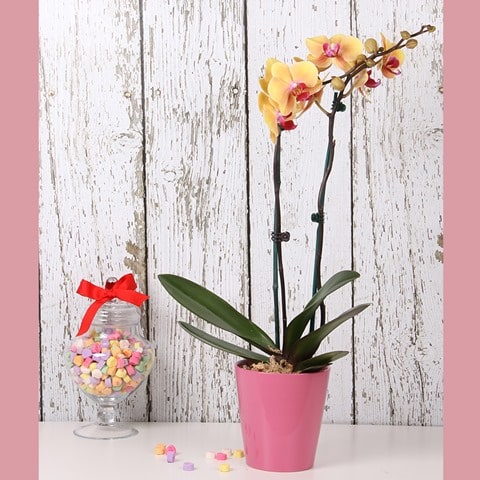
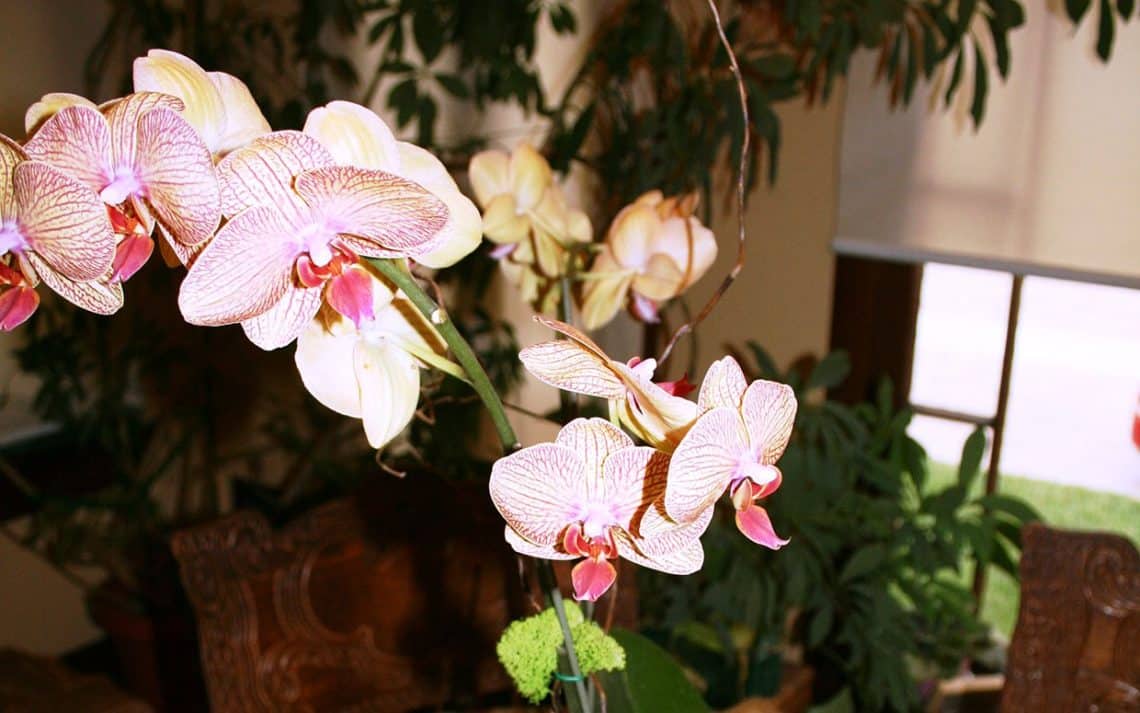
Bromeliad A relative of the pineapple, bromeliads are exotic and bold plants that add architectural interest to the indoors. Their long-lasting blooms come in red, pink, white, purple and orange, and many feature eye-catching variegated leaves. Place bromeliads in a bright location over a humidity tray, which will prevent the leaf tips from browning. Water when the top inch to two inches of soil has dried. Orchid Elegance and sophistication describe orchids, and you are sure to impress with this blooming beauty. Moth orchids are an especially good choice, as their blooms can last for three months or even longer indoors, providing the plant is kept out of drafty conditions. Orchids come in a wide variety of flower colors, including red, pink, purple, gold and white. Provide orchids with medium light and water when the orchid bark has dried, which is generally once a week. Avoid overwatering, as this will cause the flowers to drop.
Orchid (Costa Farms)
Julie Bawden-Davis is a garden writer and master gardener, who since 1985 has written for publications such as Organic Gardening, Wildflower, Better Homes and Gardens and The Los Angeles Times. She is the author of seven books, including Reader’s Digest Flower GardeningFairy GardeningThe Strawberry Story, and Indoor Gardening the Organic Way, and is the founder of HealthyHouseplants.com.
Living Walls Bring Your Space to Life

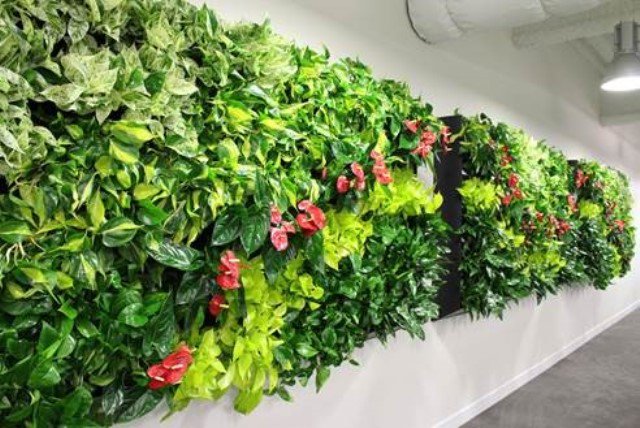
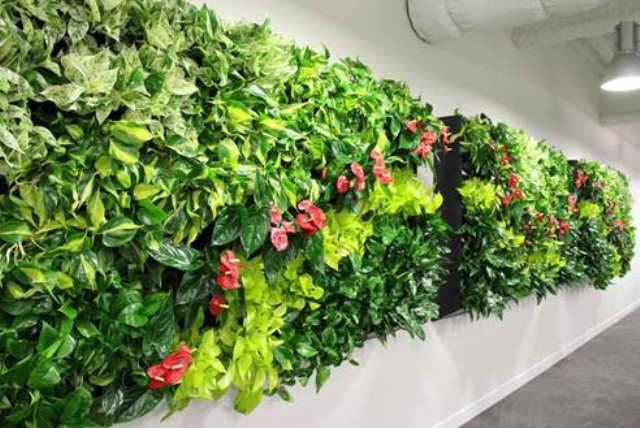
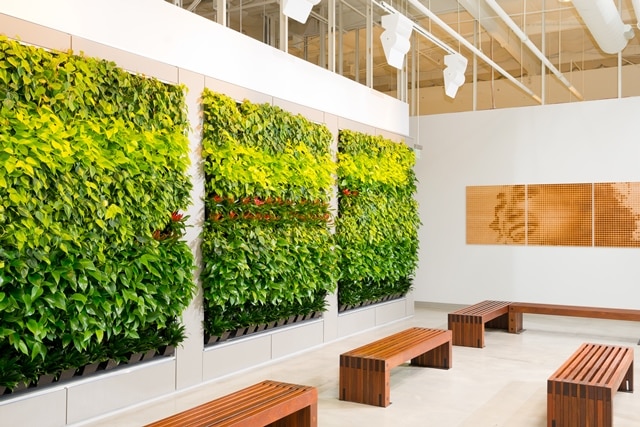
In his 1984 book, Biophilia, well-known evolutionary biologist E. O. Wilson focuses on our natural affinity to life and how it binds us with all living things—including plants. While many gardeners can certainly feel this affinity outdoors, there are forward thinking companies such as Plantscapers Inc. that recognize our innate desire to connect with plants indoors, as well.

Since 1981, the company has designed, installed and maintained interior plantscapes for businesses and residences. “Our company is made up of dedicated, creative people who love plants and believe in a changing world that is finally embracing the symbiotic relationship that exists between humans and nature,” says the company’s founder and CEO, Julie Davis Farrow. A couple of years ago, Davis Farrow discovered an ideal way to surround her clients with nature’s bounty indoors by installing living walls, which are walls covered in indoor plants. The living walls that Davis Farrow installs can be seen from all vantage points of a room and make you feel as if you’re surrounded by greenery. “Indoor living walls are on the cutting edge of design in the architectural community. Other indoor plant setups, such as tall floor plants, can be impressive, but they aren’t always noticeable throughout a room’s design. Living walls create a presence in a room. When they are lighted properly, they act as living art pieces and are eye-catching conversation starters,” says Davis Farrow, whose living walls are in locations such as Houzz corporate headquarters and whose work will be showcased at Modernism Week in Palm Springs February 11th – 21st. Living walls also provide health benefits by cleaning the air, and they are an easy way to fit plants into tight indoor spaces. Here Davis Farrow answers questions about indoor living walls.
What conditions do indoor living walls require to thrive?

“They need good light. Track LED lights from above are recommended. They also require adequate air circulation.” (Plantscapers Inc. )

What plants are best for indoor living walls? “Plants that can grow vertically, such as all varieties of pothos, philodendron, Chinese evergreen, spider plant, wandering Jew, croton, prayer plant, some Sansevieria, low bromeliads and anthuriums.”
(Plantscapers Inc. )
What about maintenance of indoor living walls? “The key is the watering, and all living walls have different watering systems. There are some large walls that are set up on a drip irrigation system that is controlled by a sophisticated computer system, and they aren’t for the average indoor gardener to set up. It really takes an expert in the field of interior landscaping to help in the planning, designing, installation and maintenance of living walls. We highly recommend a professional service.”
(Plantscapers Inc. )
Julie Bawden-Davis is a garden writer and master gardener, who since 1985 has written for publications such as Organic Gardening, Wildflower, Better Homes and Gardens and The Los Angeles Times. She is the author of seven books, including Reader’s Digest Flower GardeningFairy GardeningThe Strawberry Story, and Indoor Gardening the Organic Way, and is the founder of HealthyHouseplants.com.  

9 Easy-to-Grow Houseplants for Low Light

Tired of taking houseplants that require bright light to your dimly lit home and watching them eventually wither away? If so, it’s time to get real and introduce some low light plants to your indoor garden.

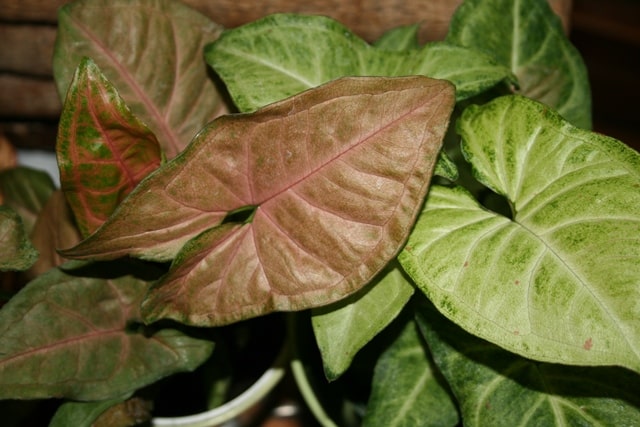
Most likely Murphy’s Law is at play here. It seems that indoor gardeners who long to fill their homes with houseplants somehow end up with less than ideal lighting conditions. You can brighten up your indoor garden with artificial lighting, but an even easier route is to choose plants that like things on the dim side. Fortunately, there are several indoor plants that do well when lighting conditions are less than ideal. Many of these houseplants originated on the shaded floors of the jungle, so they thrive in such conditions. Low Light Really a Problem? If you bring plants that require bright light into a dimly lit home and have luck with them for a time, you might think that improper lighting conditions aren’t your problem. The truth is they are. Houseplants will seem to do well in dimly lit conditions for a while, because when they receive sufficient light, they build light stores. Once placed in poor lighting conditions, though, these plants begin to pull from their light stores to survive. Eventually light stores are depleted, and it’s then that houseplants begin to drop leaves and look sickly. Unsure if you have dimly lit conditions for houseplants? Besides watching plants eventually lose leaves and fail to flower, you can also determine low light by the orientation of your home. If your house has more north-facing windows and/or those windows facing south, east and west are obstructed outside by plants and structures, then you most likely have low light in your home. If you want to get an accurate idea of the light levels in your house, measure the availability of light with a light meter. The following nine houseplants for low light are sure to brighten up your indoor garden. When fertilizing, use a well-balanced, organic fertilizer. Arrowhead Plant (Syngonium podophyllum) This tropical plant tends to trail or can be trained to climb. Bright light will burn the leaves and make them yellow, so it thrives in low light. Provide rich, well-draining soil and water when the top inch of soil has dried out. Fertilize every three months.
Arrowhead Plant (Julie Bawden-Davis)
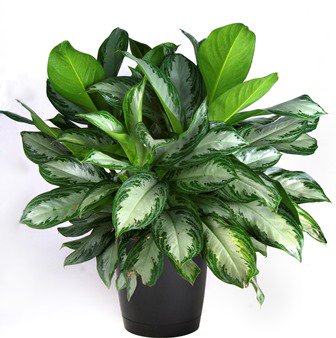
Cast-Iron Plant (Aspidistra elatior) As its name suggests, this plant can take quite a bit of abuse—including low light conditions. Featuring leathery, pointed leaves, cast-iron plant will eventually reach 2 to 3 feet high. It requires well-draining soil. Water when the top 2 inches of soil has dried out. Fertilize every four months. Chinese Evergreen (Aglaonema modestum) This easy plant features showy, variegated leaves that light up the indoor garden. The plant is tolerant of low to high lighting conditions. Provide with well-draining soil and water when the top 2 inches of soil has dried out. Fertilize every other month.
(Costa Farms)
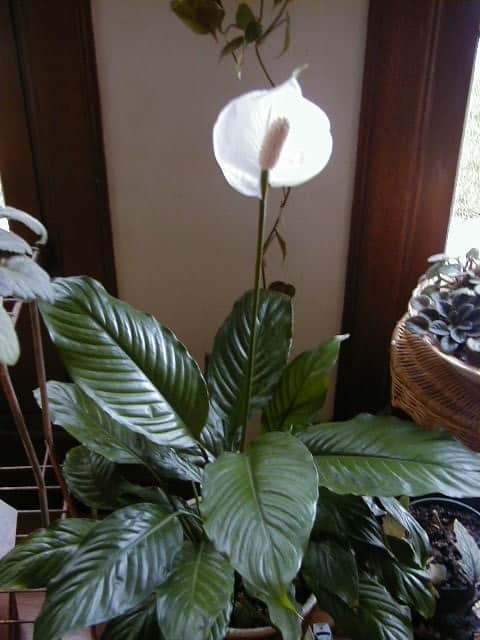
Dracaenas This group includes a wide variety of striking houseplants that eventually grow into tall indoor trees. Cultivars include ‘Janet Craig,’ corn plant and Marginata `Tricolor.’ Dracaenas do best in low to medium light. They require well-draining soil and need watering when the top 2 inches of soil has dried out. Fertilize very four to six months. Peace Lily (Spathiphyllum) If you like flowers, then the peace lily is the perfect addition to your low-light indoor garden. This beauty features lovely white flowers and dark-green, glossy leaves. Grow in low to medium light and keep away from bright light, as the leaves will burn and the plant won’t flower. Keep the soil evenly moist, but not soggy. If you forget to water and the plant droops, water well and it will spring back. Feed every other month.
Peace Lily (Julie Bawden-Davis)
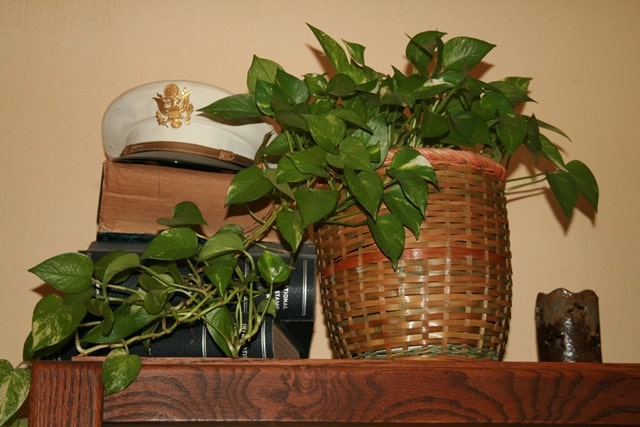
Pothos (Epipremnum aureum) This fast-growing vine can be grown in a hanging basket, or you can train it to climb up a trellis or even across a wall. The plant features heart-shaped leaves that may be variegated with yellow or white marbling. Pothos grows in low to bright light. Provide rich, well-draining soil. Water when the top 1 to 2 inches of soil has dried out. Fertilize every three months.
Pothos (Julie Bawden-Davis)
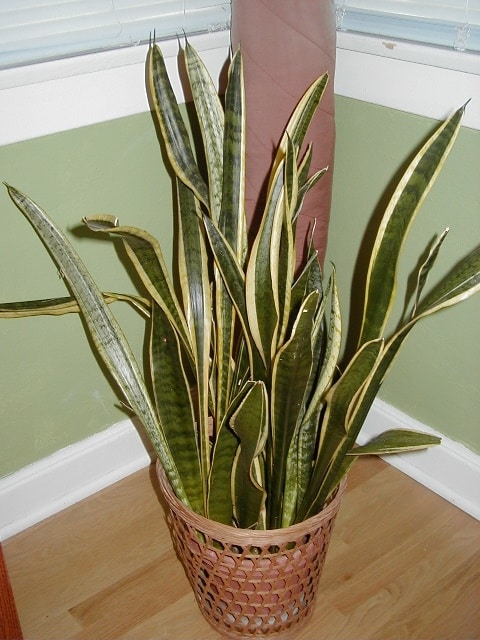
Philodendron (P. Scandens) Featuring eye-catching, heart-shaped, glossy green leaves, this plant will vine, or it can be trained to climb with support. Provide low to medium light and a well-drained soil. Water when the top inch of soil has dried out, and fertilize every three months. Radiator plant This plant includes a variety of cultivars featuring various leaf patterns and textures—from fleshy and heart-shaped, to smooth and even fuzzy. The plant requires low to medium light and rich, well-draining soil. Water when the top inch of soil has dried out, and fertilize every two months. Snake Plant (Sansevieria trifasciata) This plant’s common name comes from the fact that the sword-like leaves often have markings that resemble snake skin. Snake plant is an easy-to-grow succulent that adds architectural interest to your indoor garden. The plant thrives in any indoor lighting conditions, including low light. Grow in well-draining soil and water when the top 3 inches of soil has dried out. Fertilize every three months.
Sansevieria (Julie Bawden-Davis)
Julie Bawden-Davis is a garden writer and master gardener, who since 1985 has written for publications such as Organic Gardening, Wildflower, Better Homes and Gardens and The Los Angeles Times. She is the author of seven books, including Reader’s Digest Flower GardeningFairy GardeningThe Strawberry Story, and Indoor Gardening the Organic Way, and is the founder of HealthyHouseplants.com.  

Grow Exotic Angel Plants Indoors This Winter

Now that we’re officially in the dark and stormy days and nights of winter, gardeners find a funny thing happening to their green thumbs—they start twitching. In many areas of the country, the weather outside may make gardening impossible, but that doesn’t still the desire to feel dirt on our hands and watch plants grow.

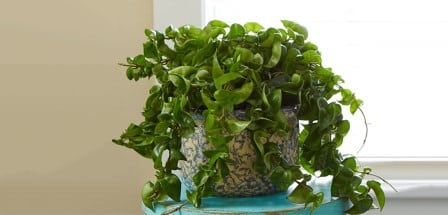
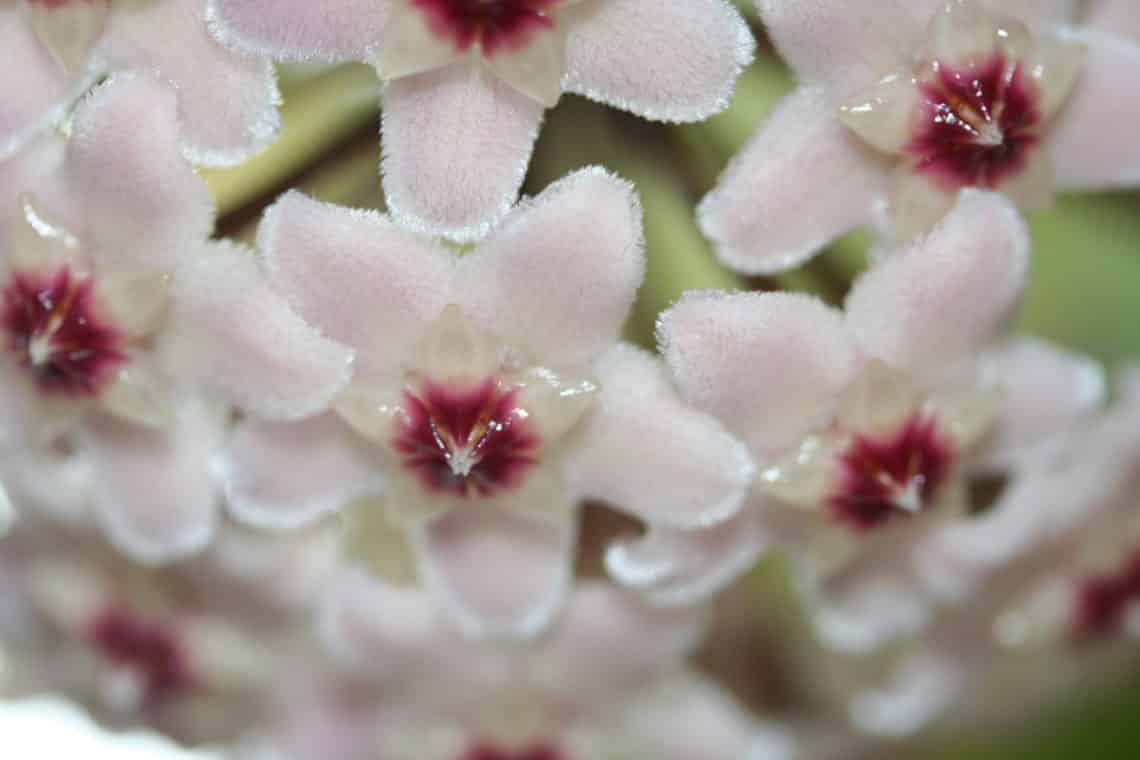
The good news is that we can grow houseplants indoors at any time of the year and any time of the day or night. And this week, which began with National Houseplant Day, is the perfect time to enjoy some horticultural therapy with indoor growing. The secret to a successful indoor tilling experience is to choose the right plants in the first place. The family-owned business, Costa Farms, which grows indoor and outdoor plants, has a collection of 400 indoor plants known as the Exotic Angel line. Here are a few of the eye-catching, easy-to-grow members of the collection. Hoya Commonly known as the wax plant because of its thick waxy, fragrant flowers, this vining plant is easy to grow indoors. It makes an ideal hanging basket plant, as its stems readily trail. You can also grow it upright on a trellis. The variety pictured here has unique twisted foliage that is particularly eye-catching. To have luck growing hoya, avoid overwatering. Let the first 2 inches of soil dry out before soaking. You are better to err on the side of dry with this plant, as overwatering will quickly lead to fungal disease and root rot. In order to flower, the plant requires medium to bright light. You can grow it in low light, but you won’t get many flowers. Fertilize every three months with a well-balanced organic fertilizer.
Hoya (Costa Farms)
Purple Passion Plant
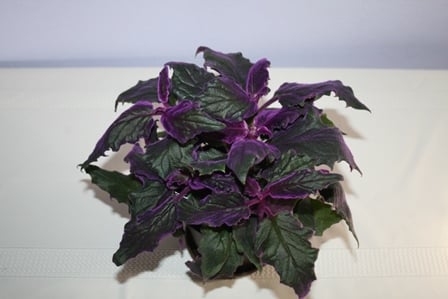
Known botanically as Gynura aurantiaca, the foliage of this beauty resembles purple velvet tinged with iridescent green. The leaves are also ultra-soft to the touch. The plant grows upright initially, eventually trailing as it matures. Once it starts to trail, grow it in a hanging basket or on a trellis. Provide purple passion plant with medium to bright light and keep the soil moist but not soggy. Prevent the plant from becoming leggy by regularly pinching off growth tips. Feed the plant every three months with a well-balanced organic fertilizer.
Purple Passion Plant (Julie Bawden-Davis)
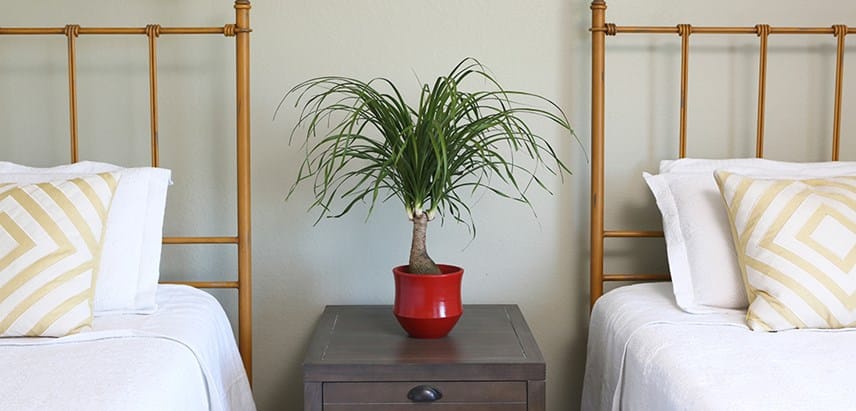
Ponytail Palm If you want a specimen palm for your indoor garden that adds architectural interest to your home, then a ponytail palm is for you. This plant is a slow-grower that will be happy in the same container for quite some time and can be grown just about anywhere in the home. For best growth, place ponytail palm in bright light. It can tolerate medium light, as well. Avoid overwatering. The plant stores water in its trunk for dry spells and is prone to rot if the soil is kept moist. Water when the top 1-2 inches of soil has dried out. Fertilize the plant monthly during the spring and summer with a well-balanced organic fertilizer. If the leaf tips brown, simply cut them off with scissors. This generally occurs when the humidity is low.
Ponytail Palm (Costa Farms)
Alternanthera
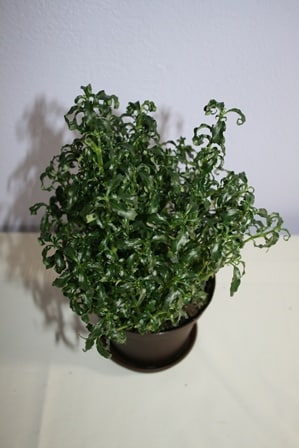
Known botanically as Alternanthera ficoidea, this plant lights up any space with its tiny, bright green leaves. The plant can be grown in many areas of the home and is a good choice for terrariums. Alternanthera grows best in bright light. Keep the soil moist, as the plant wilts easily if it is allowed to go dry. If you do drought the plant, water thoroughly and it should spring back. Feed once every three months with a well-balanced organic fertilizer.
Alternanthera (Julie Bawden-Davis)
Julie Bawden-Davis is a garden writer and master gardener, who since 1985 has written for publications such as Organic Gardening, Wildflower, Better Homes and Gardens and The Los Angeles Times. She is the author of seven books, including Reader’s Digest Flower Gardening, Fairy GardeningThe Strawberry Story, and Indoor Gardening the Organic Way, and is the founder of HealthyHouseplants.com.  

Holiday Gifts for Gardeners

Looking for last-minute gifts for the gardeners in your life? We green thumbs are generally fairly easy to satisfy. Just give presents that allow us to do one or more of the following, and you’ll be on our green list.

  1. Grow something tasty
  2. Make the garden look beautiful
  3. Provide us with the tools we need to achieve A and B.
Here are some fun options. Red Pig Garden Tools I had the fortune of living close to Bob and Rita Denman’s garden supply shop several years ago before they relocated to their location in Oregon. The Red Pig garden tools I got 14 years ago are still in excellent shape, because the workmanship is superior. Bob, who played a key role in developing Corona’s range of tools in the early 2000s, is likely the only blacksmith in the U.S., who specializes in hand-forged garden tools. They carry garden tools for just about any purpose—from trowels to bulb planters to weed yanks and root hooks. Many of their tool designs you won’t find anywhere else. Native Cast
(Native Cast)
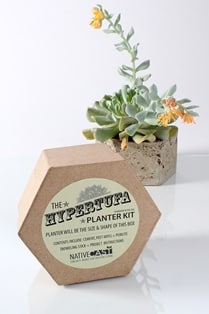
Chances are the gardener in your life is also at least a little bit on the crafty side, which makes this gift doubly perfect. These “Cast Your Own” DIY ecofriendly gardening kits allow you to quickly and easily make your own containers in a wide variety of designs, including cupcakes, circles, stars, squares, hearts, hexagons, ovals and rectangles. They also carry a wide variety signature planters, including ones made from logs and upcycled denim jean pocket planters. Longfield Gardens Amaryllis and Paperwhites
(Longfield Gardens)
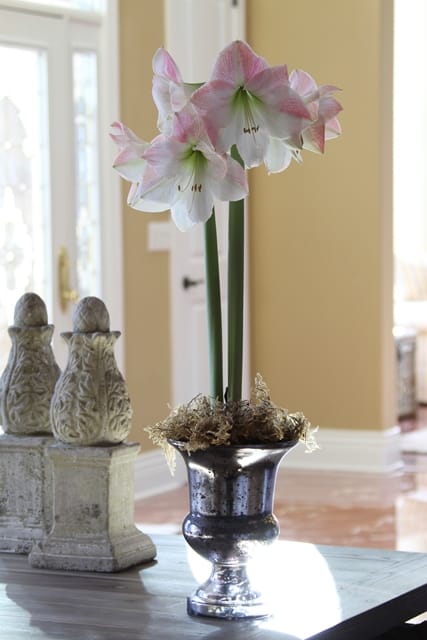
Forcing bulbs indoors during the winter is a time-honored tradition, and Longfield Gardens makes the process so easy with their stunning amaryllis and paperwhites. You simply plant these beauties in soil, gravel or water and watch magnificence unfold. Paperwhites also perfume the house with their delightful fragrance. Potrisers You know those ugly stains that arise when you have pots or garden statuary sitting in the same spot for a while? Just put these handy invisible pot feet under your containers, and you’ll avoid those problems. Floating containers off the ground during freezing weather also prevents pot cracking. Potrisers come in several sizes and are perfect for indoor and outdoor use. They are made from 100 percent vulcanized rubber material that grips surfaces, while also providing cushioning. Cate’s Garden Pruners It’s not easy to find garden pruners that don’t hurt your hands and cut well. Cate’s Garden Premium Bypass Pruning Shears and Easy Action Ratchet Pruners have a lightweight aluminum frame that means less fatigue for your hands as you work. The ratchet pruners cut tree branches up to 7/8-inch and the bypass pruners allow you to make clean cuts, even in hard-to-reach locations. Jeff Price Handblown Art Glass
Jeff Price Solar-Powered Garden Light (Jeff Price)
Jeff Price Solar-Powered Garden Lights (Jeff Price)
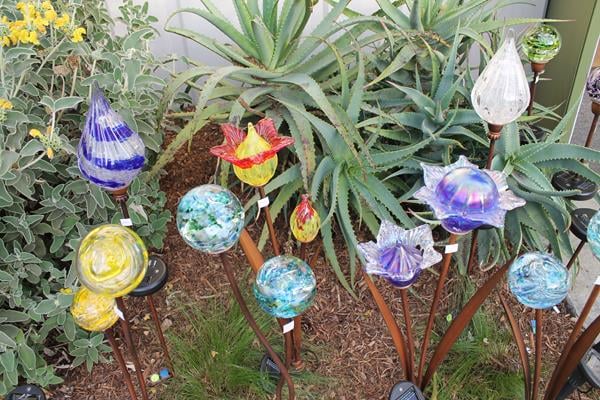
There’s something magical about glass garden art. In addition to the brilliant colors found in glass, the light refractions and reflections you get when the sun hits can be spellbinding. And colorful glass art can light up the garden when blooms are scarce. I’ve had the privilege of watching Jeff Price blow glass in his studio. The pieces he creates for the garden include Solar-Powered Garden Lights and Levitating Marbles, which are hanging sculptures that give the illusion of the marbles rising and falling. Julie Bawden-Davis is a garden writer and master gardener, who since 1985 has written for publications such as Organic Gardening, Wildflower, Better Homes and Gardens and The Los Angeles Times. She is the author of seven books, including Reader’s Digest Flower GardeningFairy GardeningThe Strawberry Story, and Indoor Gardening the Organic Way, and is the founder of HealthyHouseplants.com.  

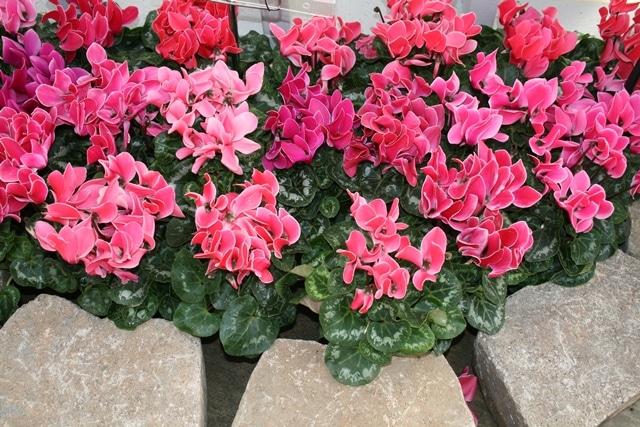
Grow Cyclamen Indoors for the Holidays

If you’re gifted with a cyclamen this holiday season or happen to pick one of these beauties up, it’s good to know that you can keep the plant blooming indoors throughout the holiday season and even beyond. These perennial flowering plants bloom throughout the winter months and with some care do well indoors.

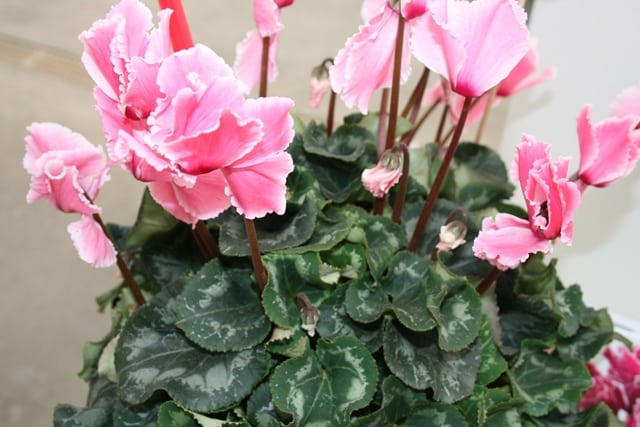
Technically tubers, like potatoes, cyclamen create distinctive flowers often described as resembling shooting stars. Blooms come in a variety of vibrant colors, including red, white, pink, salmon, lavender and yellow. The heart-shaped, gray-green leaves are often variegated with silvery, mottled patterns. About 20 species of cyclamen exist, but Cyclamen persicum is the most widely available and tends to grow well indoors. The plant is native to mountainous areas of the Mediterranean, as well as Europe, North Africa and western Asia. Horticulturists believe that the Persians first cultivated the plant 3,000 years ago. The word cyclamen comes from Greek, and the plant was used for medicinal purposes by the Greek military and surgeons.
Cyclamen (Julie Bawden-Davis)
Follow these tips and you can enjoy cyclamen blooming in your indoor garden this winter. Keep things cool. Cyclamen thrive in cool temperatures, so keep them out of warm areas of the home, such as near heating ducts or fireplaces. The cooler the better—they prefer between 55 and 65 degrees Fahrenheit.
Provide bright light. Place cyclamen in an unobstructed eastern, southern or western window. Close to the window is preferable, as it will provide the most light and tend to be cooler there. Watch watering. The fastest way to kill cyclamen is to overwater, which will lead to the tubers rotting and the plants dying. Allow the top two inches of soil to dry out in between watering. The soil should be rich, yet well-draining. Fertilize. Feed cyclamen once a month with an organic fertilizer designed for flowering plants.   Encourage re-blooming. When cyclamen stops flowering in spring, taper off watering until the foliage yellows. When the leaves die back, the plant is dormant. Stop watering and place the pot in a cool, dim location for the next two to three months, such as an unheated garage or shed. In midsummer, move the cyclamen pot to a shaded location outdoors and resume watering and fertilizing. When temperatures dip near freezing in the fall, bring the plant indoors. It should bud up and bloom by mid-winter. Julie Bawden-Davis is a garden writer and master gardener, who since 1985 has written for publications such as Organic Gardening, Wildflower, Better Homes and Gardens and The Los Angeles Times. She is the author of seven books, including Reader’s Digest Flower GardeningFairy GardeningThe Strawberry Story, and Indoor Gardening the Organic Way, and is the founder of HealthyHouseplants.com.  

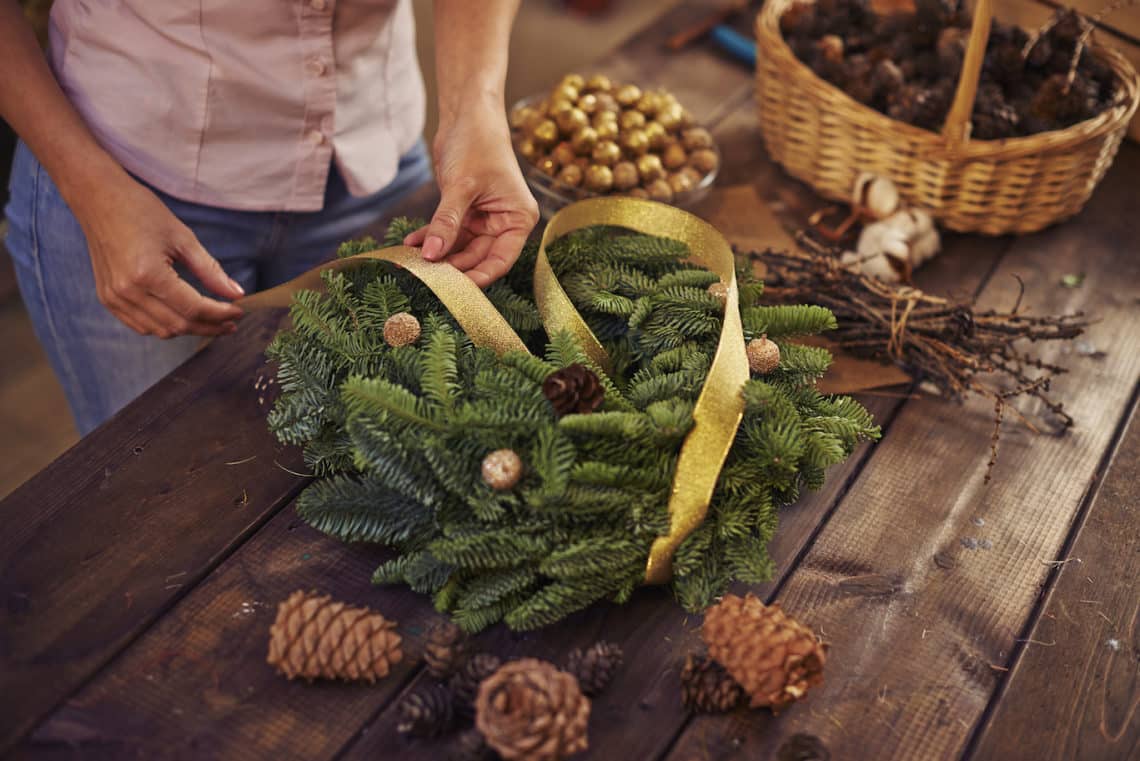
Make Your Own Enchanting Wreath for the Holidays

Gardeners who like using nature’s bounty to decorate their homes for the holidays know the secret to elevating those homegrown designs to art is getting a little help from their local florist. A good florist offers supplementary materials to make your designs pop and expert advice on the secrets to creating gorgeous home décor items like centerpieces and wreaths.

Korie Mulleady is co-owner with her mother, Kate, of The Enchanted Florist. In addition to being on hand at the shop to answer any questions, Mulleady regularly shares her vast knowledge of floral design by performing demonstrations on topics like wreath making. Here she shares her secrets for creating your own fresh-from-the-garden wreath. Create your wreath base. It’s possible to use cuttings from the garden to make your own wreath form. “Good materials to use for a wreath base that dry well include cuttings from eucalyptus, grape vine, peach and plum trees and Manzanita,” says Mulleady. “Use one material or combine them.” If you don’t have sufficient cuttings from the garden, it’s possible to get preserved birch branch, curly willow and mossy branch, the latter of which is covered in attractive green lichen.
 Cut and secure your base materials. Determine the size of wreath you desire and then cut pieces accordingly. For instance, if you want a 12×14-inch wreath, cut half the pieces 12 inches long and the other half 14 inches long. Mulleady suggests making a square wreath, as it’s easier to create, especially if the cuttings aren’t pliable. If the cuttings are bendable and you want a round wreath, then go ahead and make whatever shape you desire.
Separate the materials into four equal piles and then secure each pile together with florist bind wire. Tie each corner together with wire and reinforce with strong adhesive glue. Camouflage the wire and glue with green moss. Decide on a theme. What do you wish to celebrate with your wreath? Thanksgiving, Christmas, New Years? The theme will tell you the type of materials you require to accomplish the look. You’ll also want to decide if you wish to create a formal wreath or a casual design. Formal wreaths should be crafted with a symmetrical design and informal wreaths with an asymmetrical one. Gather decorative items. Choose a wide variety of decorations to augment your wreath, depending on your theme. For instance, decorate a fall wreath with dried flowers in autumn tones, like marigolds. Also add colorful fall foliage, natural feathers, succulents, ribbon and burlap. Decorate. Embellish the wreath with your chosen materials. If you wish to change the wreath with the seasons, secure the decorations with floral wire instead of glue. “There are no set rules when it comes to decorating,” says Mulleady. “Go ahead and incorporate whatever your heart desires.” Julie Bawden-Davis is a garden writer and master gardener, who since 1985 has written for publications such as Organic Gardening, Wildflower, Better Homes and Gardens and The Los Angeles Times. She is the author of seven books, including Reader’s Digest Flower GardeningFairy GardeningThe Strawberry Story, and Indoor Gardening the Organic Way, and is the founder of HealthyHouseplants.com.  

How to Properly Water Your Houseplants

You might think that pests and diseases are the reason houseplants don’t survive, but the truth is that improper watering is usually the source of houseplant demise. Not watering your indoor garden or watering it too much is likely to lead to death or failure to thrive. To keep your houseplants as healthy as possible, follow these tips.

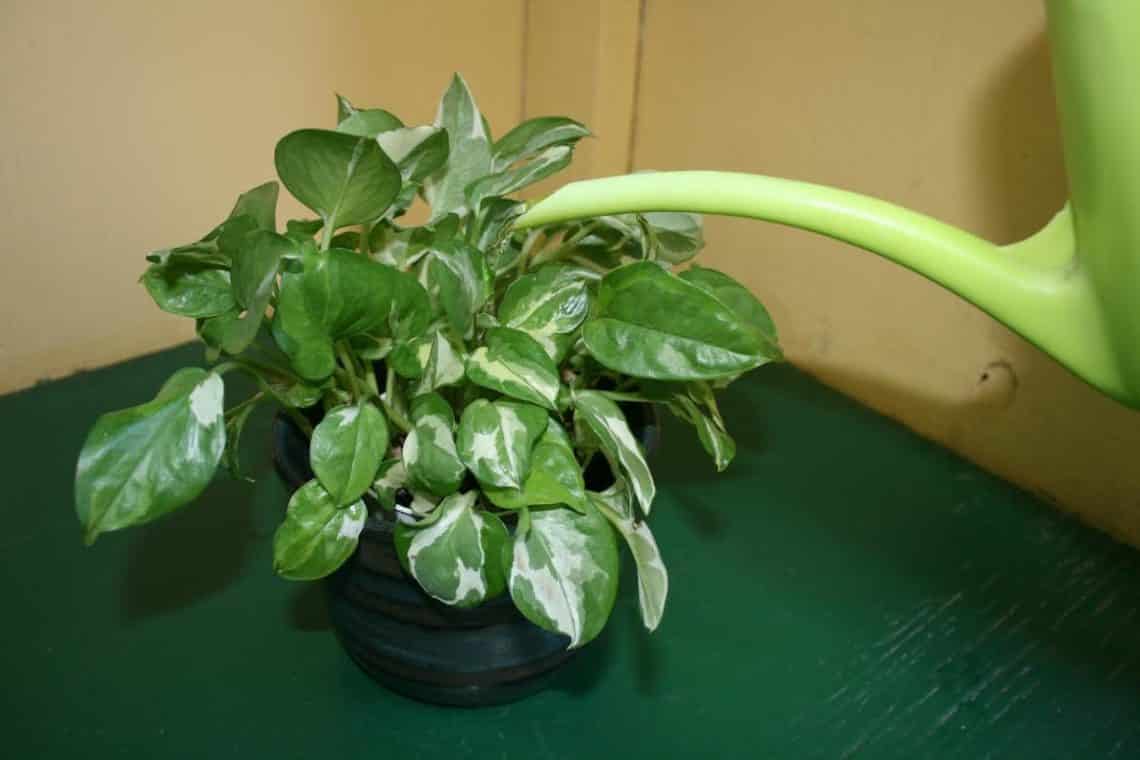
Know your houseplants. When to water will vary according to the plant type. Some plants, like maidenhair fern, must be kept continually moist, while others, like succulents, need to go dry between waterings. Most houseplants require watering when the top 2 to 3 inches of soil has dried out. Thicker leaved houseplants can go longer between watering than thin leaved ones. Pay attention. Plants that require watering will do what is known as flagging when they require watering. This refers to the point where the leaves lose their sheen and wilt ever so slightly. Watering at that point is ideal. Wait another 12 to 24 hours, however, and the plant will be wilting badly and at that point it could be too late. Avoid watering schedules. It might seem like a good idea to water your houseplants once a week, but the truth is that watering on a specific day every week can result in overwatering. Water only when the plant needs it. Check before watering. Even if a plant is wilting, check the soil before watering. Wilting leaves can also mean that a plant has developed root rot. If you add more water to wet soil, you will most likely kill the plant. To check for water readiness, stick your finger into the soil up to the first knuckle. Only water if the soil is dry. It’s also possible to use a moisture meter, which is a pronged metal instrument you stick into the soil and get a reading as to if the plant is ready for water. Picking up a plant is also effective. If the pot is light, it’s time to water. Ensure drainage. Houseplants require excellent drainage to thrive. See that all containers have drainage holes and that they aren’t blocked. The soil should also be well-draining, containing perlite or pumice. Consider time of year. Water consumption for houseplants slows down considerably during the winter months, whereas hot summer days will cause your plants to drink more. Keep in mind, however, that the dry air created by heating in the winter can dry houseplants out more quickly—especially hanging containers. Watering methods. Always use tepid to warm water to irrigate houseplants. Cold water can cause leaf spotting and damage roots. Either water your houseplants from above by running water through the soil until the plant is soaked, or fill a container that is slightly larger than the plant pot with water and then submerge the pot in the container. Wait until the houseplant soil is completely soaked. This latter method is your best approach if you’ve allowed a plant to dry out too much. Avoid wet roots. Ensure that none of your houseplants sit with wet roots for long. Make sure to empty water from plant saucers once the plant drains to avoid the bottom of the pot sitting in water. A good way to do this is with a turkey baster. Julie Bawden-Davis is a garden writer and master gardener, who since 1985 has written for publications such as Organic Gardening, Wildflower, Better Homes and Gardens and The Los Angeles Times. She is the author of seven books, including Reader’s Digest Flower GardeningFairy GardeningThe Strawberry Story, and Indoor Gardening the Organic Way, and is the founder of HealthyHouseplants.com.  

Renee’s Garden Seeds: From Plant to Packet

The next time you open a packet of seeds to plant, consider the journey the seeds took to get to your garden. Thanks to the work of dedicated seed companies like Renee’s Garden, more flavorful and better growing veggies, herbs and flowers are available to gardeners every year.

Veteran seed expert Renee Shepherd, who founded Renee’s Garden in 1998 and prior to that in 1985 started Shepherd’s Garden Seeds, spends a minimum of two years trialing plants before introducing them to her customers. The process, which starts with identifying varieties of interest and then growing them and trying them out, ensures that the seeds she carries produce the best possible results. To choose her seeds, Shepherd starts by identifying potential varieties in one of two ways—from seed growers or observing what is trending in the food world. “Every year at the end of January, big seed growers from all over the world meet with seed vendors and producers to discuss new, promising introductions,” says Shepherd, who is introducing for the 2016 season a split petal 19th century heirloom nasturtium that she found through an English seed grower.
“We also look at what’s trending in the food world,” says Shepherd, author of three cookbooks books, including her latest, The Renee’s Garden Cookbook: Delicious Recipes for Everyday Cooking With Growing Advice for Kitchen Gardeners. “For instance, kale has been very popular in recent years, so we added some cut-and-come-again varieties of the vegetable this past season. The same goes for root vegetables, which are being used by more and more chefs. For that reason we’ve added plants like celeriac (celery root) and parsnips and will be adding rutabaga.”

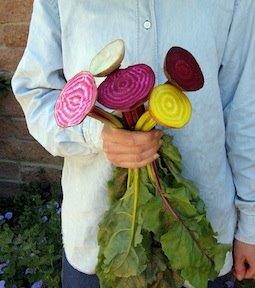
This coming 2016 season Shepherd is also carrying Hestia Brussels sprouts, which produce a high yield of crunchy, bright green sprouts, as well as beans for containers known as Mascotte and Five Color Rainbow Beets. Rather than focus on quantity, Shepherd always pinpoints quality. All of the plants undergo a rigorous trial process, which includes being grown out in conditions likely to be found in home gardens. The plant trials take place in central California and on the east coast in Vermont. If the plants thrive and produce well, then Shepherd tries cooking with the vegetables and herbs and making bouquets with the flowers. “Many plants grow well in perfect conditions. By growing them in various microclimates that you would find in the backyard and on two different coasts, we make sure the plants will thrive in just about any garden,” says Shepherd, who uses all organic gardening practices. “It’s not enough, though, for the plants to thrive. The resulting herb or vegetable must be tasty, and flowers should make beautiful bouquets.” Shepherd also doesn’t sell vegetables or herbs just because they’re a novelty. “They have to taste delicious, and we try to add varieties in beautiful, rich colors, because the more color, the more antioxidants in the vegetables and the more nutritional benefit.” Shepherd and her crew keep a database of everything they have growing, including where the original seed came from, why they’re growing it, how it grows and how well it tastes. Their growing experiences with the plants also enables them to offer detailed growing advice, which is included on their decorative seed packets. Julie Bawden-Davis is a garden writer and master gardener, who since 1985 has written for publications such as Organic Gardening, Wildflower, Better Homes and Gardens and The Los Angeles Times. She is the author of seven books, including Reader’s Digest Flower GardeningFairy GardeningThe Strawberry Story, and Indoor Gardening the Organic Way, and is the founder of HealthyHouseplants.com.  

How to Plant an Avocado Tree Grown from a Pit

Growing an avocado tree from a pit is a fun activity for kids and adults. But what do you do with the little tree once it sprouts and fills up the jar with roots? If you’re like many indoor avocado tree growers, you may let the plant languish in the water without a clue as to what to do next.

The good news is that it’s easy to transplant an avocado tree into soil where it will grow into an attractive indoor tree you can enjoy for years to come. And in most cases, the plant will thrive even if it’s been sitting in water for months. Here’s how to transplant your avocado tree. Choose a container. Select a pot with drainage holes that is twice the size of the avocado tree’s root ball. Avoid planting in a container that is too large, as that will quickly lead to root rot and plant death. Glazed ceramic and plastic containers are good choices. Terracotta is porous and dries out too quickly. Prepare potting soil. Use a well-draining, rich, organic potting soil. Add water to the soil so that it is moist, but not soggy. You should be able to make a ball out of the soil that crumbles easily. Add nutrients. Mix into the potting soil ¼-cup worm castings and a starter fertilizer, such as a 2-3-2, according to package directions. Plant. Fill the pot ½ to 2/3 of the way with potting soil. Nestle the avocado tree roots into the soil, fanning them out. Continue filling the pot until the soil just covers the root ball and pit. Gently firm the soil. Leave ¼ inch between the top of the soil and the rim of the container. This prevents soil from overflowing out of the pot when you water. Water well. Soak the pot with lukewarm water. Don’t water again until the top inch of soil has dried out. It may be a week or more before the plant requires watering. Locate in bright light. Grow the plant in a sunny window in an eastern or southern exposure. If you don’t have sufficient light for the tree, place the plant under full-spectrum lighting, which can be found for all types of light fixtures. To see how this repotting procedure is done, check out this video on how to plant an avocado tree grown from a pit. Julie Bawden-Davis is a garden writer and master gardener, who since 1985 has written for publications such as Organic Gardening, Wildflower, Better Homes and Gardens and The Los Angeles Times. She is the author of seven books, including Reader’s Digest Flower GardeningFairy GardeningThe Strawberry Story, and Indoor Gardening the Organic Way, and is the founder of HealthyHouseplants.com.  

Providing Humidity for Your Houseplants

Now that cool weather has set in and heaters are turning on and drying out your indoor air, chances are your plants are experiencing low humidity and the problems that come with lack of moisture in the air.

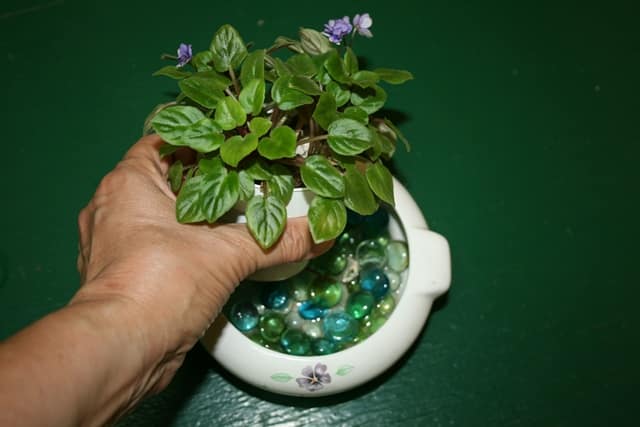
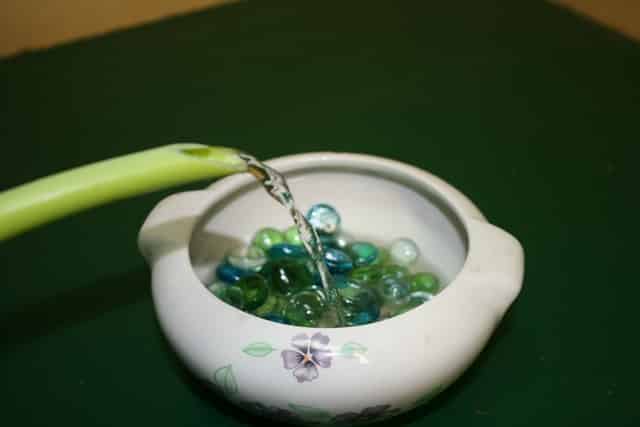
If your houseplant foliage is curling and experiencing brown leaf tips or dropping, you may have an insufficient humidity level. Many houseplants come from the jungle where the air is heavy with humidity. Heaters and cold, dry weather tend to suck the moisture out of indoor air. Many houseplants will survive in dry air, but they do much better with additional humidity. Some indoor plants suffer more than others when the air is parched, such as orchids, fittonia, anthurium, African violets and peace lily. To ensure that your houseplants have sufficient humidity, keep the following tips in mind. Test the humidity levels in your home. A hygrometer or humidity meter is an instrument that measures the moisture level in your indoor air. You want the humidity level to be at least 45 percent for the health of most houseplants. The humidity in your home depends on a variety of factors, such as where you live. Coastal homes tend to be more humid than those that are inland and certain states are much more humid than others. If you discover that your humidity level is lower than 45 percent in your home, in order to have healthy houseplants, you want to provide additional humidity. Here are three ways to do that. You can try one way or all simultaneously. Mist. Except for fuzzy-leaved plants like African violets, houseplants do well with regular misting, which humidifies the air around plants and can discourage certain plants, like spider mites. Use a spray bottle that delivers a fine mist and filtered or bottled water, as it is less likely to cause water spotting on the foliage. If possible, mist at least once a day, as the effects tend to be short-lived. Use a humidity tray: Placing plants above water causes a situation where the water evaporates and simultaneously humidifies the surrounding air. To create a humidity tray, fill a waterproof bowl with gravel or marbles. Add water to the container, stopping when the water level is just below the surface of the gravel or marbles. Place the plant on top, ensuring that the bottom of the pot doesn’t sit on water, as this can lead to root rot.
Humidity tray (Julie Bawden-Davis)
Group plants: If you like houseplants, it’s good to know that the more you have, the more humidified your home will be. Plants create a more humid environment for one another when grouped. Plant leaves transpire, which causes water loss from leaves. This goes into the air and humidifies nearby plants. Keep in mind when grouping plants that placing them in the direct line of fire from a heating duct is likely to dry the air surrounding the plant up very quickly. Try low-humidity lovers. If you have difficulty keeping your houseplants humid enough, grow plants that thrive in low-moisture conditions. A wide variety of plants do well in dry conditions, including succulents like kalanchoe and sanseviera, cactus and easy-to-grow houseplants like dracaenas, fiddle leaf fig (Ficus lyrata), yucca, pothos, ponytail plant (Beaucarnea recurvata), peperomia, cast-iron plant, hoya and spider plant. Julie Bawden-Davis is a garden writer and master gardener, who since 1985 has written for publications such as Organic Gardening, Wildflower, Better Homes and Gardens and The Los Angeles Times. She is the author of seven books, including Reader’s Digest Flower GardeningFairy GardeningThe Strawberry Story, and Indoor Gardening the Organic Way, and is the founder of HealthyHouseplants.com.  

Plant Bulbs This Fall for a Magnificent Spring Display

When I ordered my first bulbs years ago, I tore open the package with visions of eye-popping blooms dancing in my head. The papery husked orbs I pulled out of the bag in no way resembled the vibrant flowers I’d seen in the bulb catalog, though. A bit disconcerted at the incongruity, I shrugged off my concerns and planted them, enjoying an incredible bulb display the following spring.

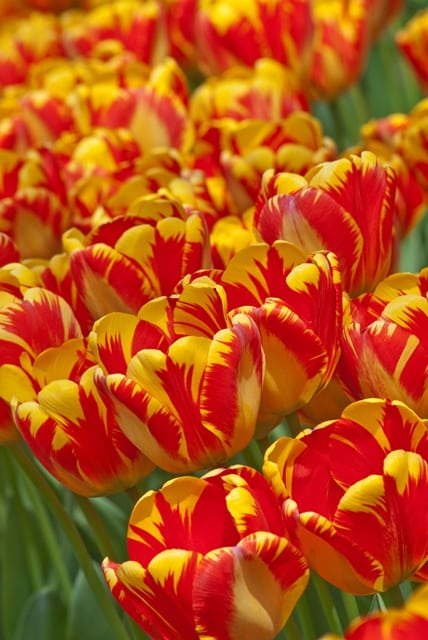
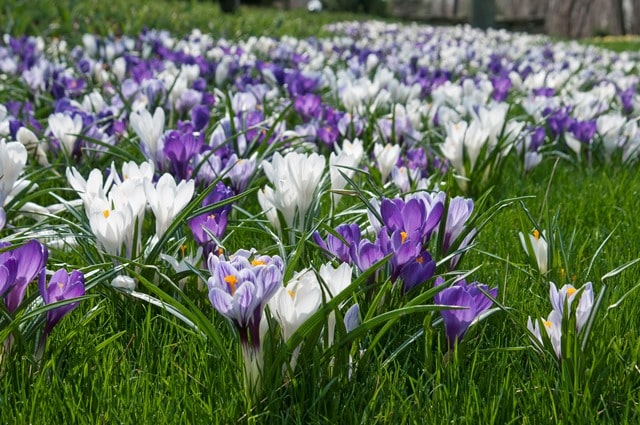
“Bulbs are a leap of faith,” says Christian Curless, horticulturist for Colorblends.com, which provides bulbs to landscape professionals and home gardeners nationwide. “You fantasize over mouthwatering photos and place your order, but what you get appears to be lifeless stones. You close your eyes and try to remember the photos and then you plant. After months of waiting and sometimes forgetting what you planted where, your leap of faith is finally rewarded when sprouts spring from the barren ground. The flowers that eventually open are so incredible that they’re beyond the ability of the camera to capture accurately.” Coloring and painting your garden with bulbs is much like composing music, says Curless. “The bulbs are like instruments in an orchestra. There are the big, bold tulips, which make up the brass section. Think of the daffodils as the strings. Include hyacinths and you have percussion instruments with their sweet scent. The fun in making a spring composition is in selecting from the broad range of colors and bloom times to make something that brings the garden to life over many weeks while the surrounding landscape is still stretching and rubbing its figurative eyes after winter.”
(colorblends.com)
Plant bulbs now, and you can enjoy your own colorful display next spring. Keep these planting and maintenance tips in mind. Bulbs are ready to perform. Except for chilling if you’re in a mild climate like Southern California, bulbs don’t require anything of you except for planting. “The flowers are already set in the bulbs (in embryonic form) when you receive them, so they are primed to perform,” says Curless. Bulbs are adaptable. “Gardeners spend a great deal of time fretting over the correct location for bulbs, but the fact is that they tolerate a wide range of soil types,” says Curless. “One thing they do require is well-draining conditions. Many bulbs will rot in heavy, wet soil.” Amend with compost and/or pumice to improve drainage prior to planting. Provide full sun. Bulbs require ample spring sunshine, says Curless. “Generally, it’s best to plant them in full sun, although it works to plant early flowering bulbs, like crocus, under deciduous trees, because they are able to get most of the light they require before the trees leaf out,” he says. “Most other bulbs need a place where they receive ample light from the moment they emerge until they close up shop in early to midsummer.” When to plant. When you plant your bulbs is determined by your geographic area. (Check this Colorblends planting chart to find out when to plant in your area.) In general, you want to plant when the soil has cooled to approximately 55 degrees Fahrenheit and before the ground freezes. Bulbs require cool soil to set down root before winter arrives. How to plant. Plant bulbs by digging a hole that is a little bigger than the bulb itself and dropping them in and covering with soil. Although it’s a good idea to plant growing tip upwards, it’s not imperative. Bulbs will grow even if you plant them upside down, says Curless. Maintenance. Water bulbs in the absence of rainfall once you’ve planted them. Don’t water when they bloom, as this can lead to bulb rot. Bulbs need no fertilizer when you first plant them, but if you intend to grow them the following year, feed with a fertilizer designed for bulbs every four weeks once they sprout and until the foliage browns. Avoid cutting back. In order to get blooms the following year, it is important that you don’t cut the foliage once the blooms fade. Allow the foliage to die back naturally, as during this time the bulbs are photosynthesizing and storing up the energy they need in order to grow and bloom in your garden the following year. Julie Bawden-Davis is a garden writer and master gardener, who since 1985 has written for publications such as Organic Gardening, Wildflower, Better Homes and Gardens and The Los Angeles Times. She is the author of seven books, including Reader’s Digest Flower GardeningFairy GardeningThe Strawberry Story, and Indoor Gardening the Organic Way, and is the founder of HealthyHouseplants.com.  

Grow Flourishing Trees in Your Indoor Garden

Years ago when I purchased my home, I had very little furniture, because I’d sunk all of my savings into the purchase. Craving greenery in what was then a pretty empty living and dining room and wanting to fill up the space, I bought some dracaenas and a schefflera. At the time, they were about 3 feet tall, but they filled in those empty corners nicely. In time, those plants grew into their spaces—with a couple of the dracaenas now towering at 12 feet tall. As I added to my houseplant family, I found that while smaller plants are accessories that decorate your indoor garden, it’s the large trees that add depth, height and sheer presence to your interior. Tall houseplants anchor corners as they green up indoor spaces and make them homey. Their considerable size also makes them powerful filters for your indoor air. Though large and tall plants may seem challenging to keep indoors, it’s easier than you might think to grow trees as houseplants if you follow these tips. Carefully choose your indoor trees. Since large and tall plants take years to grow, they are often a little pricy. It’s not uncommon to pay $50 to $70 or more for a healthy tree. For this reason, it’s important that you use care when choosing an indoor tree. Check that the plant exhibits signs of health, including new growth that seems robust and healthy, firm anchoring in the soil and mature foliage that is vibrant and free of pests. Protect trees during transport. Avoid moving trees in the open air, as they can experience wind, sun and cold damage. Throwing an indoor tree onto a pickup truck and driving home is akin to putting your tree out in a hurricane. Instead, move them to your house in a covered vehicle. Tape crumpled newspaper to the soil to keep it from spilling out and tie limbs with green garden tape to prevent them from breaking. Always lift the trees from the pot, not the trunk, as doing the latter can cause roots to break. Place trees in proper lighting. This is so important. All plants get their energy from the process of photosynthesis, which must be done in the presence of light. If you place a tree, or any houseplant, in incorrect lighting, it simply won’t thrive. The plant will do okay for a time, because it will use stored light reserves to live. Once those reserves are depleted, the plant will drop foliage and eventually become spindly and unattractive.
The good news is that there are many excellent trees for medium to low light indoors. These include all of the dracaenas, such as corn plant (D. fragrans ‘Massangeana’), ‘Janet Craig’ (D. cragii compacta) and Dracaena marginata ‘Tricolor.’ Other good choices include Ficus benjamina, schefflera, fiddleleaf fig (Ficus lyrata), various palms and the rubber tree (Ficus elastica). Water properly. Most indoor trees require a good soaking once the top 3 to 5 inches of soil has dried out. To determine if the plant is ready for watering, insert a moisture meter or use a wooden skewer. Insert the skewer several inches into the soil and remove. If there is wet soil clinging to the skewer, the plant doesn’t require watering, but if the soil is dry and falls off of the skewer, it is time to water. Because you will most likely be watering tall indoor plants in place, it’s important that they are set on top of a waterproof dish that is filled with river rock. That way the excess water will pool below the rock. This will prevent the bottom of the pot from sitting in wet soil, as this can lead to root rot. If the dish becomes too full of water, remove it with a turkey baster. Fertilize periodically. How often you feed tall plants will depend on your desires regarding size. If you would like the plant to grow quickly, feed on a monthly basis with a balanced organic fertilizer. If the plant is a good height for its space, feed every three to four months. And if the plant is beginning to outgrow its space, feed just twice a year. Repotting. Repot tall plants as they outgrow their containers. This occurs when water rushes through the pot quickly and the soil becomes crowded with roots. If you wish to keep the plant in the same container and at its current size, prune roots by one-third and repot in the same container with fresh potting soil.   Julie Bawden-Davis is a garden writer and master gardener, who since 1985 has written for publications such as Organic Gardening, Wildflower, Better Homes and Gardens and The Los Angeles Times. She is the author of seven books, including Reader’s Digest Flower GardeningFairy GardeningThe Strawberry Story, and Indoor Gardening the Organic Way, and is the founder of HealthyHouseplants.com.  

Tips for Growing Fragrant Hoya Indoors

Commonly called wax plant because of its waxy, fragrant flowers, Hoya carnosa makes an eye-catching houseplant. When it flowers, the blooms emit a sweet scent, usually at night. Even when not in bloom, its thick, shiny, variegated foliage decorates your indoor garden.

Native to southern India and also found throughout eastern Asia and Australia, hoya was named in honor of Thomas Hoy, gardener to the Duke of Northumberland, a county in northeast England. His good friend, Scottish botanist Robert Brown, anointed the plant with his name in honor of his 40 years of work at the garden. There are about 100 species of hoya, but one of the most popular for indoor growing is Hoya carnosa. This selection features rounded clusters of small, star-shaped flowers that come in pink and white, purple and yellow. Many have variegated foliage. It is a vining plant featuring trailing or climbing stems that reach two to four feet long indoors. Hoya is ideal for growing in hanging baskets or draping over the edges of pots from an elevated location. The stems can also be secured to a structure, such as a trellis, and trained to grow upwards. Wax plant will grow outdoors in the mild climates of USDA zones 10-12, but otherwise must be grown indoors. For the best luck, keep the following growing tips in mind. Plant in well-draining potting soil. A loose soil that retains water yet drains well is the ideal growing medium for hoya. Keep in mind that hoyas bloom best when pot bound, so wait to repot until roots are coming out of the bottom of the pot and water rushes through the container quickly. Pot up in a container that is just one size larger. Water properly. Hoya is susceptible to root rot when grown in perpetually soggy soil. Allow the top 2 to 3 inches of soil to dry out before watering. When you water, let the water run through the bottom of the pot. Place in bright light. In order to flower and not become bothered by pests, like mealy bugs, hoya must be grown in a bright location. Locate the plant in front of an eastern window or a couple of feet away from a southern window. If your home lacks sufficient lighting from outdoors, place hoya near full spectrum artificial lighting, which comes in bulbs for all types of light fixtures. It is important not to move a hoya once in bloom, as this often causes the flowers and buds to drop off. Also don’t remove the vine on which the plant flowered, as new buds will form on that stalk. Keep away from drafts. Breezy conditions, such as near a heating or air-conditioning vent or next to a door, won’t harm the foliage of hoya, but it can cause buds and flowers to drop off prematurely. Fertilize regularly. Feed hoya monthly spring through fall with a well-balanced, organic fertilizer. Julie Bawden-Davis is a garden writer and master gardener, who since 1985 has written for publications such as Organic Gardening, The American Gardener, Wildflower, Better Homes and Gardens and The Los Angeles Times. She is the author of seven books, including Reader’s Digest Flower Gardening, Fairy GardeningThe Strawberry Story Series, and Indoor Gardening the Organic Way, and is the founder of HealthyHouseplants.com.  

Protect Ash Trees from Deadly Pest

Watching a tree in your landscape deteriorate and die is heartbreaking—especially if the tree has become a cherished fixture in your yard. This scenario is all too common when the Emerald Ash Borer (EAB) attacks.

One of the most destructive forest pests ever discovered in North America, EAB (Agrilus planipennis Fairmaire) is a highly invasive beetle native to Asia. Originally discovered in Michigan near Detroit in 2002, this small, metallic green pest has killed tens of millions of ash trees in many states, leaving entire city treescapes destroyed. The adult beetle doesn’t do much damage eating ash foliage, but its larvae decimate trees by feeding just under the bark and disrupting the tree’s flow of water and nutrients. Until recently, there wasn’t much that could be done to prevent ash trees from dying once hit by EAB. Thanks to pioneering research done by the Davey Tree Expert Company, there’s now a way to detect the condition much earlier. When the infestation is detected and treated within the first year, ash trees often can be saved. This is good news for the nation’s seven billion ash trees that are potentially at risk if not treated, says Anand Persad, PhD., manager of arboriculture and plant sciences for the Davey Tree Expert Company. He directed a research study of 700 ash trees in Ohio that took place from 2008-2012. Persad found that infected trees break at the top of the tree first, but this is difficult to see from the ground and at that point the trees appear to otherwise be healthy. By the time it’s clear they’re sick, which is usually after two to three years of infestation, it’s often too late to save them. The initial means of detecting EAB relied on seeing a thinning canopy and exit holes from the trunk created when the larvae become beetles and fly off. Persad’s research uncovered earlier signs. Whereas when healthy tree limbs break, it occurs close to the trunk; trees infected by EAB have branches that break midway. Early diagnosis can be made by looking for telltale cracks in these areas, especially after stormy weather. Several treatment options that protect ash trees are available, says Persad. Proactively treat with a systemic product that repels the egg laying or kills larvae that hatch and are trying to bore into the tree, or use the systemic product curatively after EAB has been detected but the canopy has not thinned by more than one-third. Cover-sprays can also be applied to branches and trunks when the adult EAB are active and flying around. If you have an ash tree and live in an area affected by EAB, keep an eye out for symptoms of infestation, including bark splitting, small branch and twig failures, wood peckers and thinning canopies. “If EAB is in your area, it’s wise to have your trees inspected and proactively treated with a systemic product,” says Persad. “Treatment over the course of several years may be a fraction of the cost of removal, and you still enjoy the full benefits of the tree.”
A young ash tree with EAB damage (Davey Tree Expert Company)
 

Fall Is Tree Planting Time: Choosing the Best Trees for Your Yard

With fall tree planting season soon arriving, it’s time to choose some new additions for your landscape. The next few weeks are the ideal time to plant trees in your yard.

“September and October are the best planting months for trees,” says Tammy Sons of the Tree Nursery Company. “Autumn has mild planting days with fewer pests, which allows trees to more easily establish themselves,” says Sons. “Get your trees in the ground now, and they’ll put down a strong root system prior to the winter months, resulting in healthy, vibrant growth come spring.” The options are many when it comes to deciding what trees to plant in your yard. Here are three general categories to get you started on planning an attractive landscape full of robust trees. Shade trees. With their fluid, sweeping forms and ability to provide coverage to humans and wildlife, shade trees are a must have in every yard. Well-placed shade trees are an environmentally responsible choice, as they can substantially reduce the need for air-conditioning in nearby buildings. The best location for planting shade trees is the west side of the home or yard, as this receives the harshest and hottest of the sun’s rays. Some popular shade trees to consider include maple, willow, black gum, green ash, sycamore, beech, box elder, oak, cottonwood, sourwood, sweetgum, hackberry, poplar, locust, paw paw, birch, aspen and planetree. Flowering trees. Blooms in the yard are always a welcome sight, and they’re especially striking when they cover the expanse of a tree’s canopy. Many flowering trees provide a stunning display of blooms for a month or longer each year. For maximum impact, locate blooming trees where you can see them from either inside your house or from the street. Eye-catching flowering trees to include in your yard include dogwood, crepe myrtle, tulip poplar, Cleveland pear, redbud, red buckeye, serviceberry, mimosa, cherry, cassia and crabapple. Conifers. Easy to maintain and generally evergreen, conifers give a woodsy feel to any yard. They also offer a chance to create a fast-growing privacy hedge or screen, and they’re great at buffering noise. Some are also excellent candidates for topiary. Locate these trees anywhere you wish to create a forest feel. Various conifers that make good additions to the yard include pine, hemlock, cedar, fir, spruce, cypress, yew and juniper. Before choosing a tree for your yard, keep a few things in mind. First, make certain you have the space for whatever tree you choose. Trees are like puppies. They look cute and small when they are young, but they do grow and will take up more and more room. Consider the eventual size of the tree in relation to your property. Also make certain that the tree is the right one for your climate. Evergreen or deciduous? As their name suggests, evergreen trees stay green throughout the year. This is a bonus if the area in which you want the tree requires year-round coverage and shade. (Note that evergreen isn’t synonymous with no leaf litter. Evergreen trees drop leaves all year). Deciduous trees, on the other hand, shed most of their leaves once a year—generally in the fall. They remain bare throughout the late fall and winter months. A deciduous tree is an ideal choice for an area that you want shaded in summer and warmed by the sun’s rays in winter, such as near your home. Many deciduous trees are also show-stoppers with their eye-catching displays of colorful fall foliage  

How to Save Seeds of Favorite Summer Veggie Crops

Enraptured with veggies you grew this spring and summer and want to preserve the magic? Try saving seed from your favorites. When you save your own seed, you have a much better chance of repeating the same harvest next season. Saving seed allows you to create your own dependable crops for years to come.

Seed packets didn’t exist years ago. Our ancestors saved seed and passed it on from generation to generation. Today, organizations like Native Seeds/SEARCH and Seed Savers Exchange continue the tradition of saving heirloom seeds so that various plants don’t become extinct and can be preserved indefinitely, creating a living legacy. You can also save seed if you keep a few tips in mind. Before you start saving seed, it’s important that you understand the difference between hybrid and open-pollinated plants and their seed. Hybridized plants are those that breeders have created by crossing two different plant parents. They do this to use desirable traits from each plant to create an even better plant. Don’t bother saving seed from such plants, though, as the results when you sprout the seed won’t be like the plant in your garden. The resulting plant may even look or taste odd. (I once saved the seed from a hybrid tomato and grew a tomato plant the following season. I ended up with a tomato plant bursting with yummy-looking fruit that actually tasted like I think used motor oil would.) Only save seed from what are known as heirloom or open-pollinated plants, which produce seed that becomes viable when it is pollinated by insects or wind. Such seed, which is what organizations like those named above are saving, grow true to form every time. Some indicators of hybrid plants are when they are labeled as F-1 or hybrid, either on the plant label or seed packet. If the seed description says that the plant is an heirloom, then there’s a good chance you have an open-pollinated variety that can be successfully saved. Some veggies that tend to generally be heirloom include beans, lettuce and peppers. Almost all corn varieties are hybrid. Other veggies, like tomatoes, tend to come in both types. Saving seed will vary according to the type of veggie or fruit, but there are a few constants to keep in mind. Wait. In order for seed to be viable, it must be mature. That means it’s necessary to leave the seed in the veggie or fruit until it dries or rots on the vine. Wait until cucumbers are yellow and lightweight, squash is overgrown and yellowed and tomatoes are beginning to rot. Bean and pea pods should be brown and dry. For root crops like lettuce, parsley and carrots, wait until they flower above ground and their seed heads brown and dry. Harvest. Once the veggie is ready, remove and dry the seeds. For plants like tomatoes, cucumbers and squash, cut out the seeds and separate them from their pulp by washing them clean with cold water. Pat the seeds dry and then lay them on paper towels to air dry at room temperature away from bright light. For seed grown in pods, like peas and beans, open the pods and pull out the seeds. To save small seed grown in seed heads, like lettuce, shake the heads into a paper sack. Store. Once seed is completely dry, keep it viable by storing it away from moisture and heat. Place the seed in a labeled envelope and put it in a screw top jar in a cool, dry location, such as the back of a pantry. Use the seed the following season, if possible, as seed viability drops after a year.
Julie Bawden-Davis is a garden writer and master gardener, who since 1985 has written for publications such as Organic Gardening, The American Gardener, Wildflower, Better Homes and Gardens and The Los Angeles Times. She is the author of seven books, including Reader’s Digest Flower Gardening, Fairy GardeningThe Strawberry Story Series, and Indoor Gardening the Organic Way, and is the founder of HealthyHouseplants.com.  
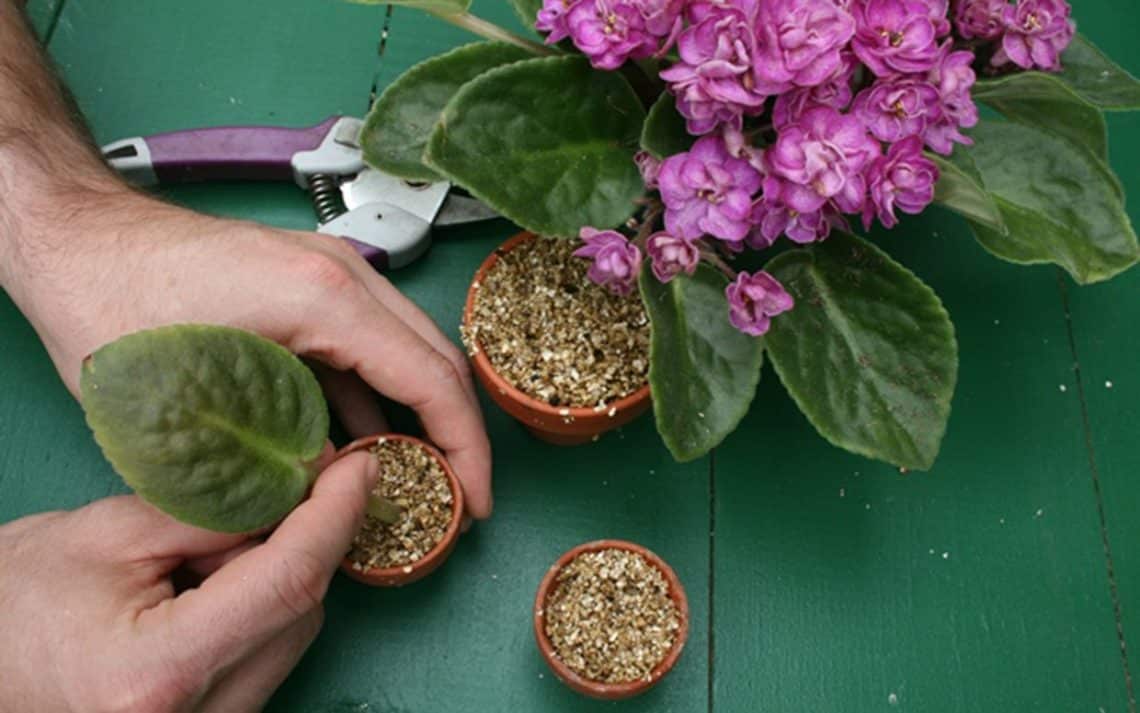
Grow Moth Orchids in Your Indoor Garden

Graceful and elegant, orchids create stunning focal points in the home. If you want to try growing them in your indoor garden, your best choice is Phalaenopsis. Commonly known as moth orchid, because its flowers perch along its stems and look like moths in flight, Phalaenopsis come in a variety of colors, including yellow, pink, lavender and white.

Moth orchids tend to bloom spring through fall as houseplants, and their flowers last for two to three months at a time. To experience a long-lasting orchid show in your indoor garden, keep the following growing tips in mind. Watch temperatures. Originating in the jungles of the Philippines, moth orchids do best in temperatures ranging from 62 to 85 degrees F. Keep them away from cold, drafty areas of the home during the winter months. Provide bright light. In their natural habitat, moth orchids grow in trees in the jungle where they receive bright light but no direct sunlight. To replicate these conditions indoors, keep moth orchids in a bright area of the home, such as an eastern or southern window, or under full-spectrum lighting. Determine if a moth orchid is receiving the correct amount of light by examining the leaf color. Light yellow leaves mean too much light and deep green leaves signify too little light. Yellow-green leaves indicate that the plant is receiving just the right amount of light.
Check for crown rot. Moth orchids are epiphytic plants that grow upside down suspended from trees in the jungle. When grown as houseplants, you cultivate them in bark, which keeps them erect. Growing them in this way causes them to become susceptible to deadly crown rot. Prevent this by not overwatering. Water correctly. Moth orchids are accustomed to moist conditions, so keep the bark on the moist side. How often to water depends on the season and temperatures in your home. The bark will dry out more quickly in hot, dry weather. You know it’s time to rewater when the plan becomes lightweight. Provide humid conditions. Moth orchids require moist air like found in the jungle. Create a humidity tray for your orchid by filling a waterproof tray with gravel or marbles and adding water to just below the surface. Place the phalaenopsis container on top of this. Evaporation from the water creates humid conditions surrounding the plant. Fertilize orchids regularly. Feed moth orchids a ¼-strength solution of orchid food on a weekly basis when you water. Under-fertilizing results in poor flowering, whereas too much food can burn orchid roots. Prune spent orchid blooms. Once a flower stalk stops blooming, the plant will bud up and bloom in about three months if you cut the stalk off between the third and fourth node up from the base of the plant. The nodes are bumps on the stalk where new branches and buds will form. Keep repeating this process and the plant will continue to re-bloom. Repot orchids periodically. Repot moth orchids in new bark every one to two years when the bark has started to break down and decompose. Put the plant in a new pot when it isn’t in bloom, because repotting during flowering can cause the blooms to fall off prematurely. Between repotting, let the spongy moth orchid roots grow out over the edge of the pot. In their native habitat they use the roots to crawl throughout trees and to absorb water. Keep an eye out for orchid pests. Mealybugs tend to infest orchids. Treat by spraying with 70 percent isopropyl alcohol. Let the alcohol dry and then rinse the dried up pests off with water.
Julie Bawden-Davis is a garden writer and master gardener, who since 1985 has written for publications such as Organic Gardening, Wildflower, Better Homes and Gardens and The Los Angeles Times. She is the author of seven books, including Reader’s Digest Flower GardeningFairy GardeningThe Strawberry Story, and Indoor Gardening the Organic Way, and is the founder of HealthyHouseplants.com.  
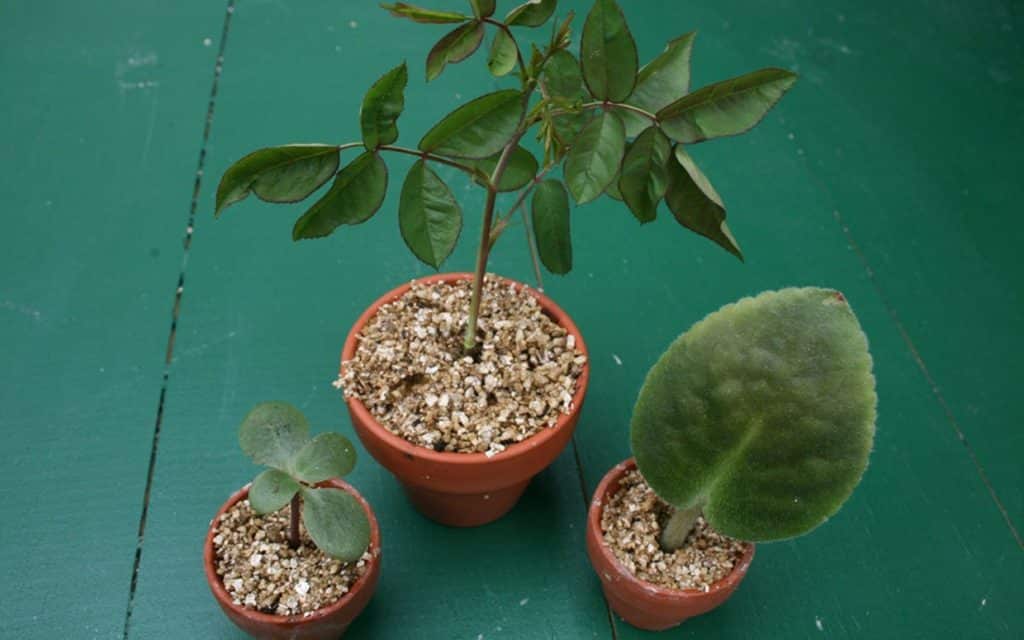
How to Save Money and Propagate Your Own Plants

By nature, many gardeners are the thrifty sort. They enjoy conserving and creating sustainable environments, and propagating plants offers the ultimate in sustainability. Starting new plants from old ones is rewarding and an inexpensive way to add to your plant collection. Perhaps best of all, propagating allows you to include hard-to-find plants in your garden.

Some plants are easier to propagate than others. Many tropical plants readily reproduce, such as a wide variety of houseplants. Some plants make the process really easy by providing you with small plantlets. Several ways to propagate exist. These four methods are the most successful. Cuttings. The most popular way to create new plants is to take cuttings and create conditions where they produce roots. You can do this by rooting stems or leaves. For stem cuttings, remove a plant stem which has several leaves. Strip off the lower leaves, exposing two to three leaf nodes (the point where the leaf attaches to the stem). Also remove any flowers or buds. Root the cutting in water, vermiculite or sphagnum moss. You’ll get roots in about a month. Propagating by stem cuttings works best with those plants that have soft stems, such as tropical plants often grown indoors like arrowhead plant, begonia, coleus, lipstick plant, philodendron and pothos. Some hard-stemmed plants can also be rooted in this way, such as rose.
For leaf cuttings, which works well with plants such as African violet and sansevieria, insert the leaf or stem 1/3 of the way into the rooting medium.
Air layering. This process works best with tall, single-stemmed plants that tend to get lanky, like dracaena and ficus. Air layering also offers an excellent way to prune plants that have become too tall. Partially cut the stem of the plant where you would like to prune it. Apply rooting hormone inside the cut and then insert a small amount of moistened sphagnum moss. Seal the cut area with plastic wrap. Keep the moss moist. Within one to two months, roots will form where you made the cut. Once you have a healthy root system, cut off the rooted section and plant. Dividing roots. Plants that grow in clumps or form multiple crowns (growing centers) can be easily divided. Use a sharp knife to cut the plant clump into equal sections that each contain roots and replant them. This is a great way to thin out a crowded planting. Plants commonly divided include many perennials, such as aster, iris, campanula, ferns, gaillardia, dicentra, canna, daylily, peony, phlox, hosta, ornamental grass, Echinacea, sedum and yarrow. Plantlets. Some plants set out handy readymade plantlets (runners) that generally appear as an appendage of a mother plant. These tiny plants may have aerial roots that grow at the end of long shoots, like spider plant and strawberry, or they may be rooted close to the mother plant, like sedum. For those plants with aerial root nodes, secure them into surrounding soil so that they can form roots. Once the plantlets have a healthy root system, cut them off of the mother plant and replant. To have the best luck propagating plants, make smooth cuts and avoid damaging stems by first creating a hole in the rooting medium with a pencil prior to inserting. Also always use clean tools. Sterilize pruners with a one-part bleach to 9-parts water solution. Avoid touching the surface of cuts, as this will spread bacteria and can cause the cutting to decay before rooting. To increase your chances of success, use a rooting hormone, and keep the cutting moist but not soggy while roots form. Certain plants require that their cut end dry out for at least 48 hours prior to propagating. Succulents and cacti fall into this group.