Portfolio Categories: COMMUNITYTABLE.COM

Preparing Your Lawn and Garden for Fall and Winter

Fall’s shorter days and cooler weather signals that it’s time to prepare your garden for the coming cold season. Take the time now to perform the following gardening chores and you can look forward to a healthy cold weather landscape and vibrant garden next spring.

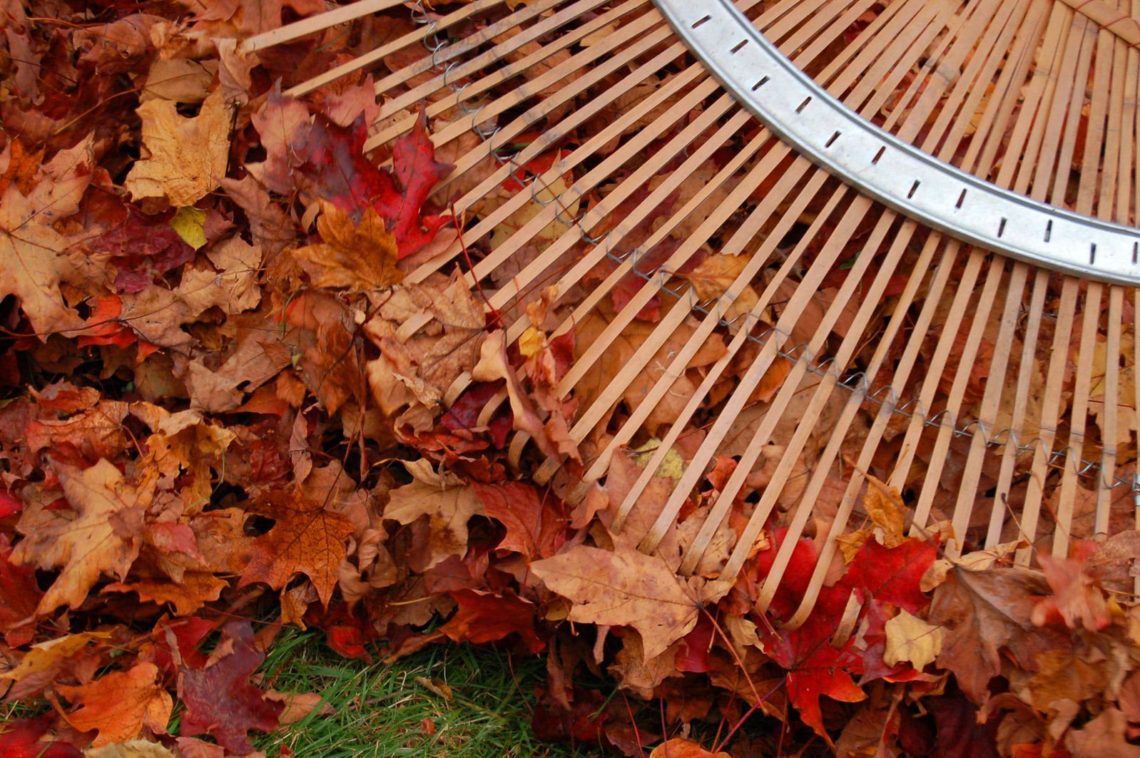
Clean up Leaf Litter Before the winds start blowing stray leaves around your yard, rake them up. Certain diseases and pests tend to overwinter in leaf litter in some climates, so removing them can help keep problems under control and prevent a reoccurrence next spring. In order to keep your fruiting trees, shrubs and vines healthy and disease and pest free, it’s also important to remove any fallen fruit at this time. Make Compost Put the leaves and other plant trimmings you gather during cleanup into your compost pile. If any of your plants had disease or pest problems this year, however, avoid adding them. Bag them up and throw them away, instead, which will prevent perpetuating the problems. Lawn Care Maintaining a healthy lawn throughout the winter requires that you mow to 2 to 3 inches high now and apply a ½-inch layer of compost mulch. It’s also a good idea to aerate the lawn, especially in those parts of the lawn that have become compacted. This ensures that water penetrates the turf, rather than running off or waterlogging. Also fertilize once more for the year.
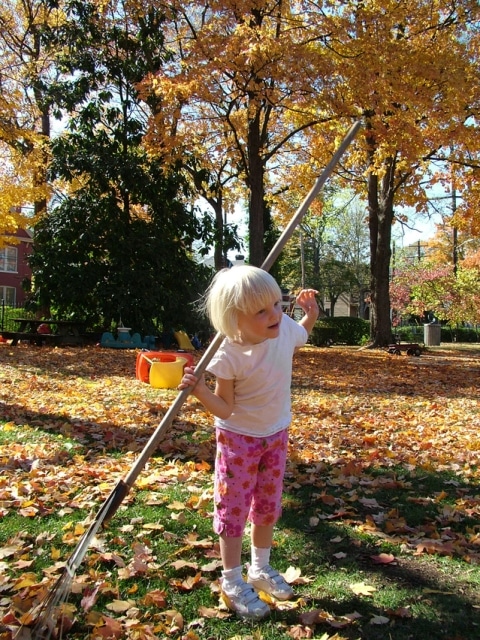
(Ned Horton/FreeImages.com)
Refresh Garden Beds Pull out summer annuals that have finished and amend the garden beds with homemade or bagged compost. Plant the beds with cool-season annuals, such as pansies, calendula, viola and cyclamen. Also plant spring-flowering bulbs like tulips and daffodils at this time.
Adjust Soil pH Now is a good time to adjust your soil pH. If you have alkaline soil, apply soil sulfur, according to package directions, and if you have acid soil, apply lime. Watch Watering Your landscape requires substantially less water during the winter months. In general, reduce irrigation time by 50 percent for evergreen plants in your landscape, like turf and pine trees. Reduce watering of plants that will become dormant by 70-80 percent. When it rains or snows, make sure to stop watering or set the watering system to off. Thin Trees Avoid permanent damage to trees, such as uprooting or broken limbs, by thinning trees now before stormy weather arrives. This technique is known as lacing and involves removing no more than one-quarter to one-third of the tree’s branching system. When laced properly, limbs will be evenly spaced, and the tree will look aesthetically pleasing. Plant Trees and Shrubs In many climates, fall is the ideal time to plant shrubs and trees. The cooler weather allows the plants to set down and begin growing roots. This means they’ll have a head start in spring, which will lead to more growth and quicker flowering and fruiting next year. Julie Bawden-Davis is a garden writer and master gardener, who since 1985 has written for publications such as Organic Gardening, Wildflower, Better Homes and Gardens and The Los Angeles Times. She is the author of seven books, including Reader’s Digest Flower GardeningFairy GardeningThe Strawberry Story, and Indoor Gardening the Organic Way, and is the founder of HealthyHouseplants.com.

Plant a Kid’s Terrarium Garden

Looking for a fun science project that will last? Plant a terrarium garden with your kids. Such mini gardens grow well indoors and keep teaching children lessons long after school grades are received. Gardening is an activity that imparts valuable skills, including responsibility for other living things that can eventually translate into stewardship of our planet.

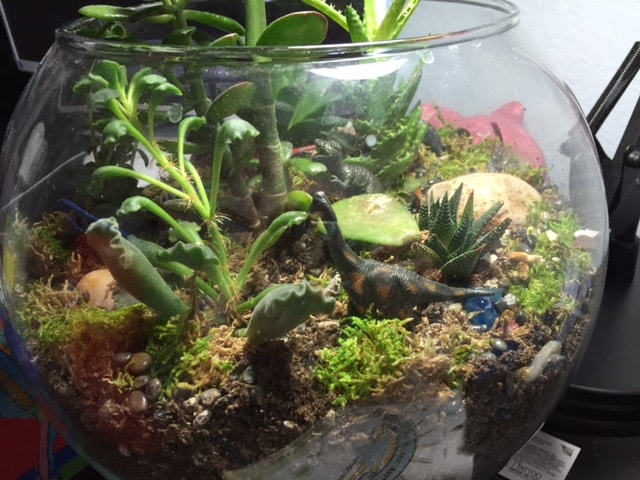
Thirteen-year-old Logan keeps his dinosaur terrarium in his bedroom, where he can always see it. “The terrarium is right next to my bed, and I can look at it while I’m working on my computer,” he says.
Logan enjoyed making the terrarium, because it enabled him to express his creativity, and he enjoys science, especially studying paleontology. Here are Logan’s tips for creating a kid’s terrarium garden. Start with a theme. Having a plan when it comes to the terrarium allows you and your child to create a scene that tells a story. Let your imaginations run wild and brainstorm. Options include a dinosaur kingdom, mermaids, beach scene, forest full of elves and the depiction of a favorite fairytale or a holiday.  Logan suggests thinking of your favorite things and then picking one. Choose your plants. Buy plants that fit your theme. Logan says he chose succulents, because they look like prehistoric plants. If you’re doing a beach scene, use small palm trees. Whatever plants you do choose, make sure they are slow growing and suited for terrariums.
 Make the terrarium. To make an open terrarium with no lid, fill a glass bowl with a ¼-inch layer of gravel, followed by a ½-inch layer of charcoal. Over this place organic, rich, well-draining potting soil, filling the bowl two-thirds full. Insert the roots of the plants and pat down, adding more soil to cover roots if necessary. Water after planting is complete, making sure to keep foliage dry. (See below)
Making a closed terrarium is a similar process that can be found here. Decorate. Add decorative accessories to the terrarium like figurines, tiny furniture and decorative rocks, gravel and marbles. Place in bright light. Most terrariums do best in bright, but not direct light. Locate a few feet from a sunny window, or under artificial lighting. Logan has his garden under a full-spectrum light he keeps on from 8 am to 8 pm daily. Water properly. Avoid overwatering your terrarium, as that will quickly lead to root rot. This is especially important when growing succulents indoors. Water occasionally using a turkey baster filled with lukewarm water. Use the tip of the baster to direct the water into the soil and away from the leaves, which you want to keep dry to avoid diseases. Fertilize rarely. Because you don’t want terrarium plants to grow quickly, you should generally avoid fertilizing. Feed only if the plants seem to be nutrient deficient, which is generally indicated by yellowing leaves and sparse and disfigured growth. Julie Bawden-Davis is a garden writer and master gardener, who since 1985 has written for publications such as Organic Gardening, Wildflower, Better Homes and Gardens and The Los Angeles Times. She is the author of seven books, including Reader’s Digest Flower GardeningFairy GardeningThe Strawberry Story, and Indoor Gardening the Organic Way, and is the founder of HealthyHouseplants.com.

Grow Spanish Moss in Your Outdoor or Indoor Garden

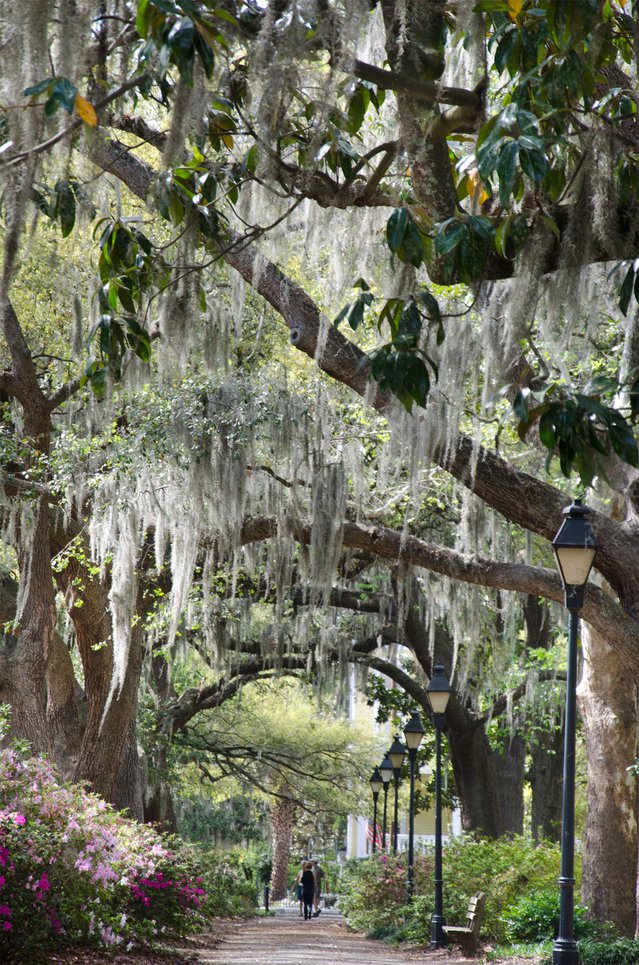
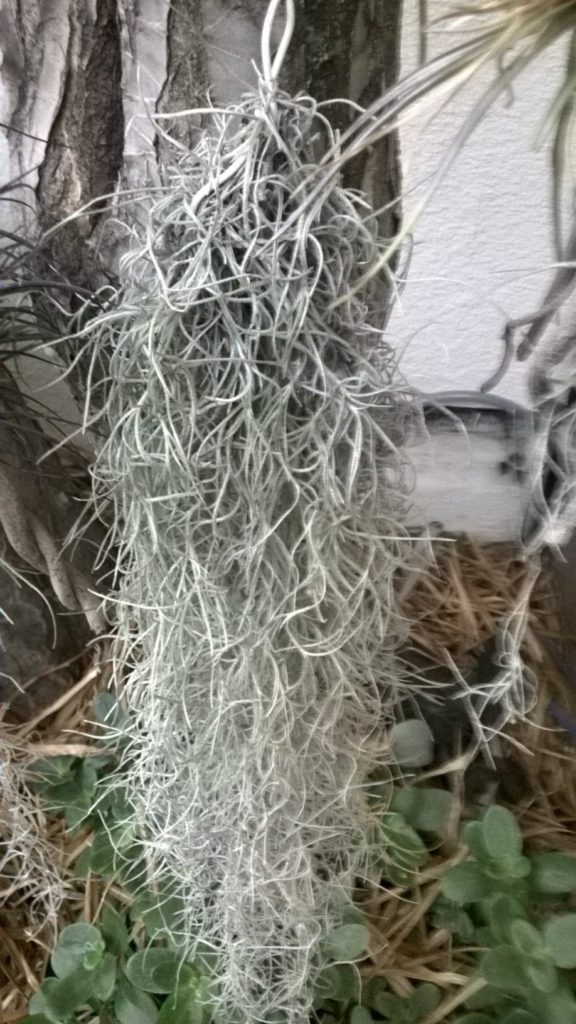
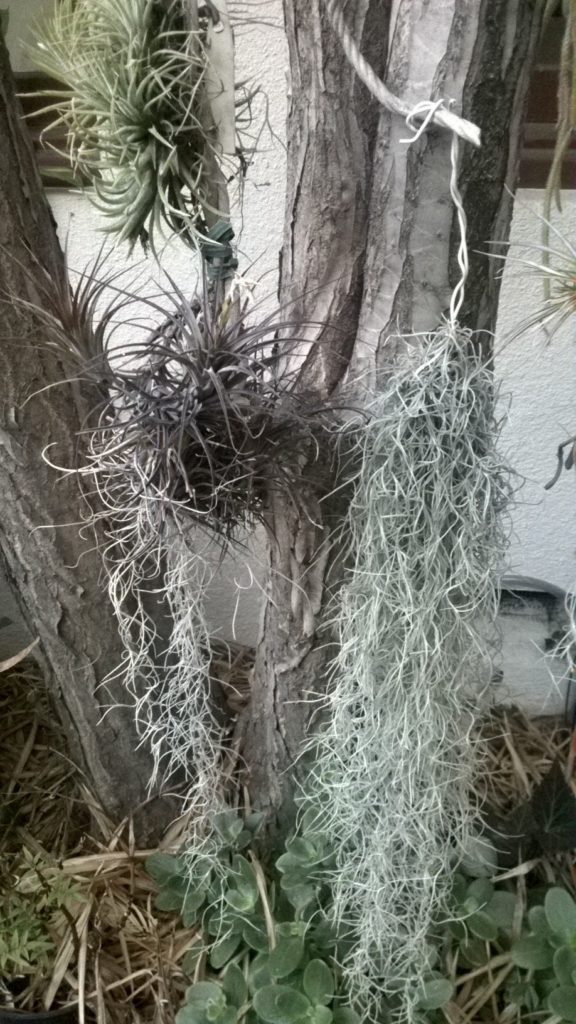
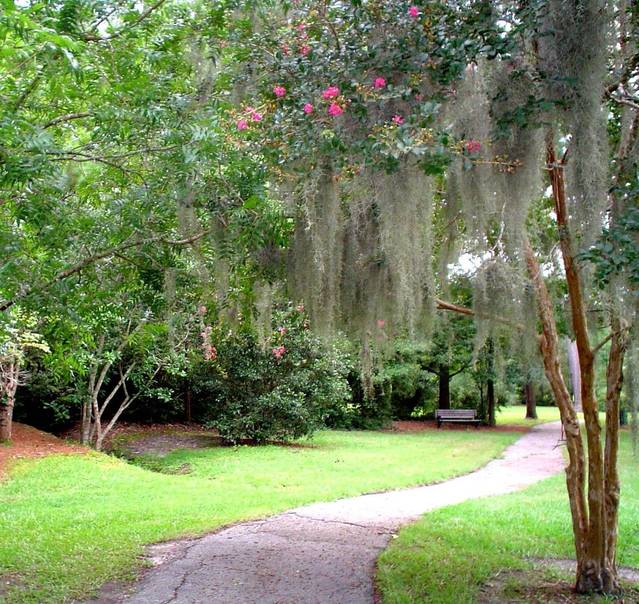
Want to add a tropical feel to your backyard instantaneously? Grow Spanish moss (Tillandsia Usneoides). This eye-catching plant that hangs from trees in the tropics and the southeastern United States can also be grown in other areas of the country. Simply hang a clump of Spanish moss in your outdoor or indoor garden and watch it grow.

Spanish moss is actually not a moss at all. Instead, it’s in the bromeliad (pineapple) family. It is an epiphytic plant that draws moisture from the air and from runoff from the host plant on which it’s growing. You can grow Spanish moss successfully in a dry climate, providing you water it regularly to ensure it stays sufficiently moist.
Savannah Park (Roger Kirby/FreeImages.com)
To have luck growing this conversation starter, keep the following growing advice in mind. Provide something to grow on. Spanish moss will grow on just about any structure, including another tree or shrub, a fence or a building, trellis, arbor or patio overhang. Situate the moss so that it gets part-shade. In full sun, Spanish moss may dry out too quickly and may even burn. This is especially the case in dry climates that get high heat, such as areas of the west and southwest. If you grow Spanish moss in deep shade, it is likely to grow very slowly.
(Julie Bawden-Davis)
Water moss in hot, dry climates. Generally, Spanish moss requires no watering, if you live in a humid, rainy climate, as it will draw the necessary water from the air and surrounding plants. If you live in a hot, dry climate, however, such as California or Arizona, or you are experiencing such weather, you will need to water Spanish moss every day or every other day. Not doing so can cause the moss to go dormant.
Fertilize occasionally. Though Spanish moss generally doesn’t need any feeding, it can speed up growth if you spray the plant monthly in the spring and summer months with a half-strength solution of an organic liquid fertilizer, such as sea kelp or compost tea.
(Julie Bawden-Davis)
Spread the strands. As Spanish moss grows, if you want it to grow on other plants or in various areas of the yard, simply pull off some strands and hang them wherever you wish—providing the lighting is correct. Give indoor Spanish moss bright light and moisture. It’s possible to grow Spanish moss indoors, as long as you mist it on a daily basis and put it under full-spectrum lighting or in a bright window. Julie Bawden-Davis is a garden writer and master gardener, who since 1985 has written for publications such as Organic Gardening, Wildflower, Better Homes and Gardens and The Los Angeles Times. She is the author of seven books, including Reader’s Digest Flower GardeningFairy GardeningThe Strawberry Story, and Indoor Gardening the Organic Way, and is the founder of HealthyHouseplants.com.

Plant Burning Bush in Your Garden this Fall

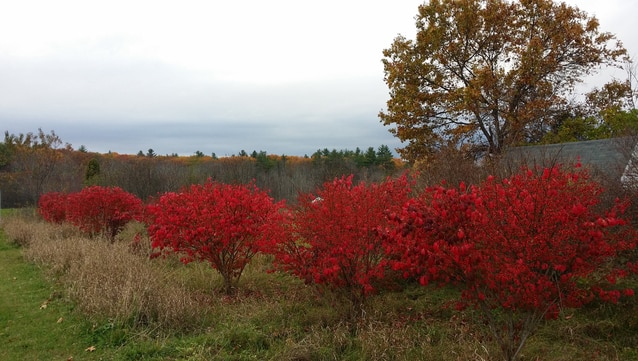
Make a dramatic statement in your fall garden by planting burning bush (Euonymus alatus). This easy-to-grow plant’s green-blue foliage transforms into a brilliant red each fall for several weeks. So bright is the foliage color that from a distance the plant appears to be on fire.

The burning bush is a fast-growing, deciduous shrub that reaches 8 to 10 feet tall and 6 to 8 feet wide when mature. The plant can be used for a variety of landscaping purposes. Plant burning bush as a showy mass in a garden bed, along a driveway or walkway, or use it to create a decorative screen. Burning bush also grows well in containers. To have luck growing burning bush in your garden, keep the following cultivation tips in mind. Plant in full-sun to part shade. Burning bush will thrive in most areas of the yard, except for full shade. Provide a minimum of six hours of sunlight a day. Provide good drainage. Euonymus alatus prefers well-draining soil that is moist. Enrich the soil to hold moisture by amending with homemade or bagged compost. Also keep the area moist by mulching with a 2- to 3-inch layer of ground bark.
Water regularly. Burning bush requires consistent moisture to do well. Water when the top 1 to 2 inches of soil has dried out during the growing season. Keep in mind that containerized plants dry out more quickly. During the warmest days of the year, you may have to water potted burning bush daily or every other day. Grow container burning bush in a rich, well-draining potting soil in a glazed ceramic, plastic or wooden container. Increase the potting soil’s fertility by adding one part worm compost to the mix at planting. Shape as desired. Keep burning bush under control and growing in the manner you desire by pruning and thinning the plant when young. At this point you can set growth patterns. If you will be keeping it in a pot on the patio, prune off about 1/3 of the foliage in the late winter before the plant leafs out. Fertilize occasionally. Burning bush isn’t a heavy feeder, but does best with some fertilizer. Apply a well-balanced, organic fertilizer once in the late winter, spring and summer. Julie Bawden-Davis is a garden writer and master gardener, who since 1985 has written for publications such as Organic Gardening, Wildflower, Better Homes and Gardens and The Los Angeles Times. She is the author of seven books, including Reader’s Digest Flower GardeningFairy GardeningThe Strawberry Story, and Indoor Gardening the Organic Way, and is the founder of HealthyHouseplants.com

Plant Privet Hedge This Fall

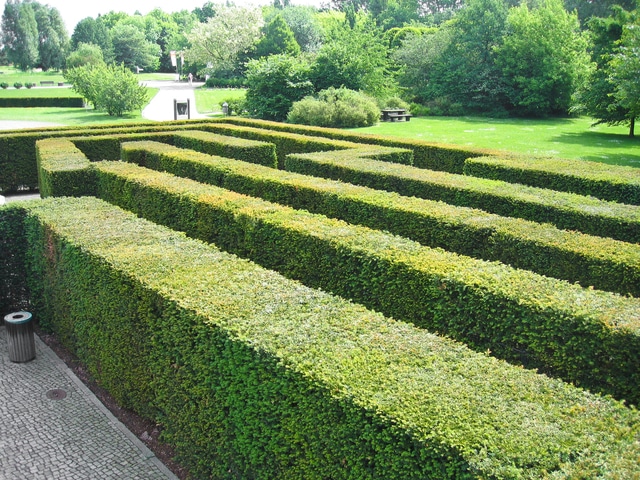
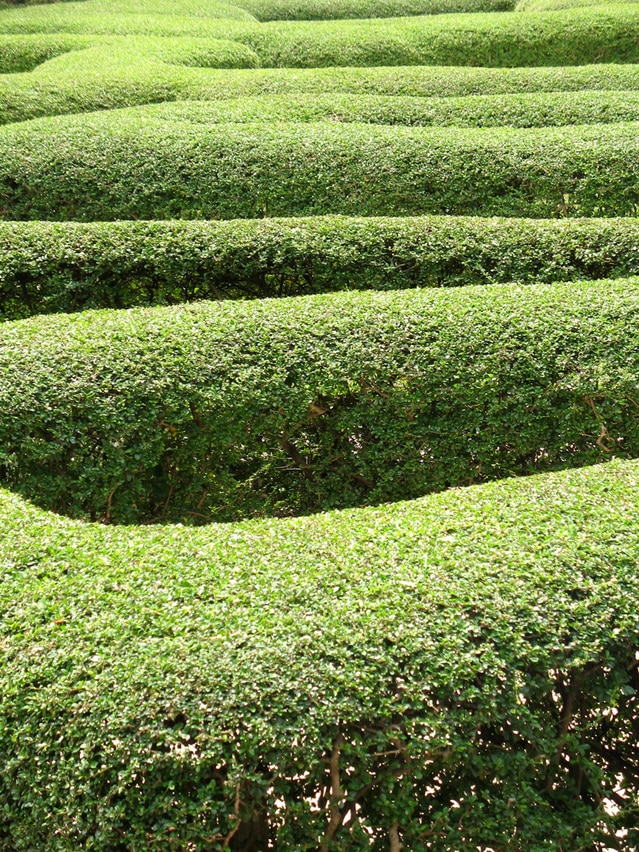
Visit well-known gardens throughout the world, and you’ll often see hedges used to delineate various garden rooms, and in some cases to create mazes, such as the Hampton Court Maze in England. While a wide variety of hedges are used for these purposes, common privet (Ligustrum sinense) is particularly well suited for these tasks and more in the garden.

Eventually reaching 8 to 10 feet in height and 8 feet wide, privet hedge is an easy-to-grow plant that will quickly fill in an area of the landscape. Ligustrum tolerates pruning, which also makes it an excellent choice for topiary. It blooms in spring with sprays of fragrant, creamy-white flowers that result in purple berries. The flowers attract a wide variety of pollinators, including butterflies, and the privet’s seeds are eaten by birds.
(Michael and Christa Richert/FreeImages.com)
To have success growing common privet in your landscape, keep the following growing tips in mind. Plant in full sun. Privet does best in a bright location. Plant in part shade and it will grow much more slowly. Aim for a minimum of seven to eight hours of direct sun per day.
Provide good drainage. Privet will grow in a wide range of soil types, but does best when the area drains well. Dig a 6- to 8-inch-deep hole and fill with water. It should drain within an hour. If it doesn’t, amend the area with compost and pumice and check drainage again.
(Athewma/FreeImages.com)
Water occasionally. Once established, privet is fairly drought tolerant. Water once a week during the warm months. Use caution. Common privet is a fast growing plant that can be invasive. Only plant if you intend to use privet for a purpose, such as a hedge, topiary or maze, and you keep it in check with judicious pruning. Prune regularly. Privet hedges tolerate heavy pruning, so don’t be afraid to cut the plant back severely when necessary. Julie Bawden-Davis is a garden writer and master gardener, who since 1985 has written for publications such as Organic Gardening, Wildflower, Better Homes and Gardens and The Los Angeles Times. She is the author of seven books, including Reader’s Digest Flower GardeningFairy GardeningThe Strawberry Story, and Indoor Gardening the Organic Way, and is the founder of HealthyHouseplants.com.

Plant Forsythia in Your Fall Garden

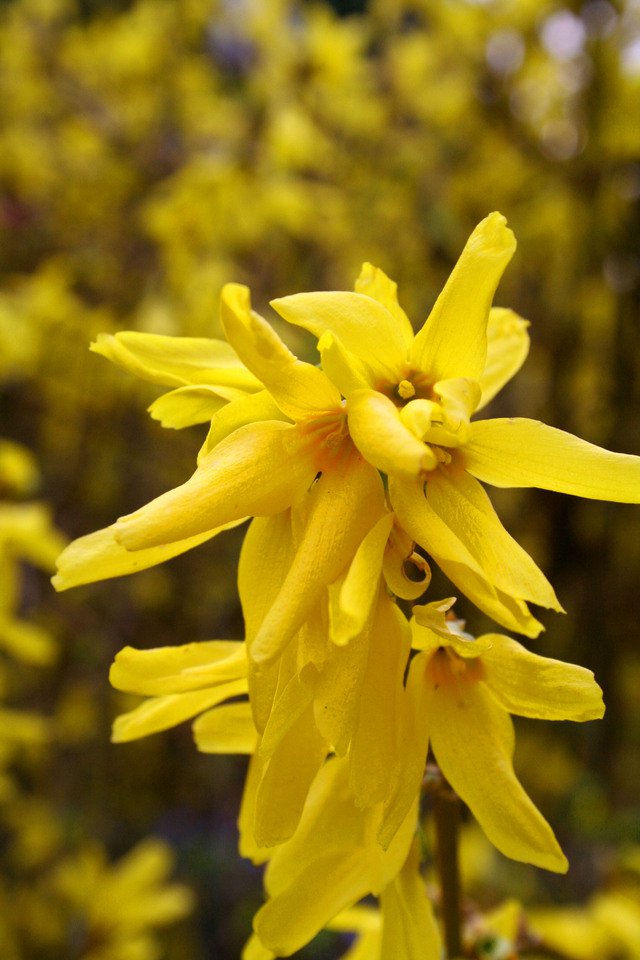
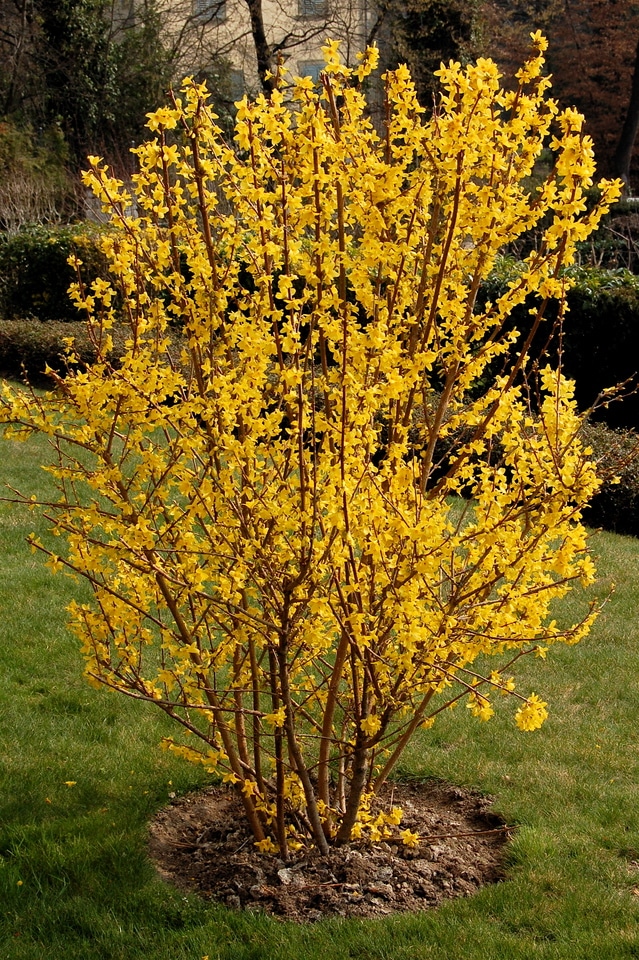
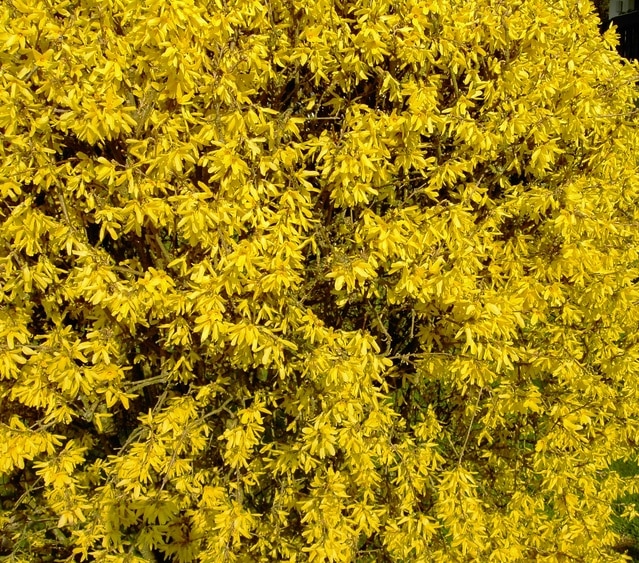
If you want a shrub that will light up the garden next spring with cheerful yellow flowers, plant forsythia. This easy-to-grow, long-lived shrub blooms for 2 to 3 weeks. Planting the shrub now in fall will allow it to set down roots and become established before the ground cools off.

Named after the Scottish horticulturist, William Forsyth, forsythia is a deciduous shrub that reaches 8 to 10 feet tall by 10 to 12 feet wide at maturity. After the shrub flowers, it produces attractive green foliage on graceful, arching branches that lasts until late fall. The foliage tends to be thick, which makes the plant ideal for screening for privacy. The bright yellow flowers also serve as an attractive focal point. Forsythia is also deer resistant.
(Stephanie Berghaeuser, FreeImages.com)
To have luck growing forsythia, keep the following cultivation and planting tips in mind. Locate in a full sun to part sun location. If you plant in an area with part-shade, opt for morning and early afternoon sun and shade in late afternoon. Plant in well-draining soil. Forsythia tolerates a wide variety of soil types, including alkaline, acidic and sandy. If the soil is clay, improve drainage by mixing in a generous amount of homemade or bagged compost.
(Janet Burgess, FreeImages.com)
Water newly planted forsythia often. In the absence of rainfall, irrigate when the top 1 to 2 inches of soil has dried out. Once established, the shrub can be watered weekly. Fertilize forsythia in the early spring with a well-balanced, organic fertilizer designed for flowering plants. Prune forsythia immediately after flowering. Cut back to shape and remove spent blooms. Avoid pruning back by more than 25 percent. If you prune later in the season, you may cut off buds, which will affect flowering the following season. Julie Bawden-Davis is a garden writer and master gardener, who since 1985 has written for publications such as Organic Gardening, Wildflower, Better Homes and Gardens and The Los Angeles Times. She is the author of seven books, including Reader’s Digest Flower GardeningFairy GardeningThe Strawberry Story, and Indoor Gardening the Organic Way, and is the founder of HealthyHouseplants.com.

Grow Mint in Your Early Fall Garden

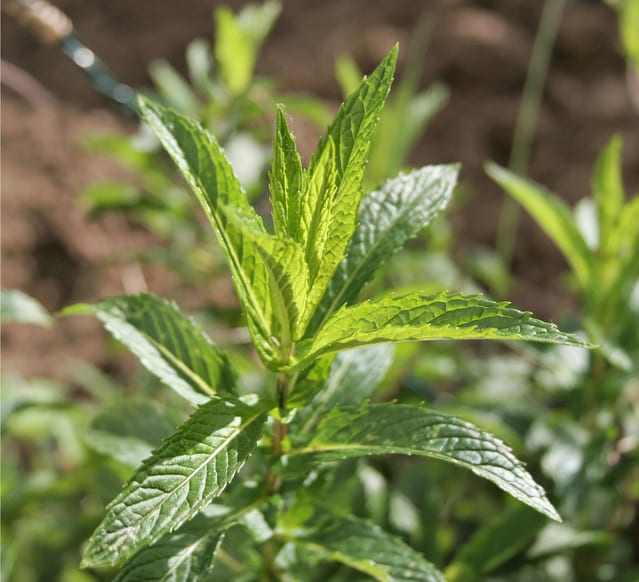
If curling up with a tasty cup of homemade mint tea on a crisp fall day sounds enticing, then plant some mint. This easy-to-grow herb has been used for thousands of years as a flavoring and remedy for various ailments, including stomach aches and poor digestion.

In addition to creating hot mint tea, you can use this versatile herb as a flavoring in iced tea and lemonade, as well as in fruit salad. Use mint tea to flavor desserts, such as icing, cake and cupcakes. Legend has it that mint (Mentha) came from the nymph Menthe, the daughter of the river god, Cocyte. Pluto found Menthe enchanting, but his wife, Prosperpine, became jealous and changed Menthe into a mint plant. More than 600 varieties of mint exist, including mint used for groundcover, rather than for consuming. You’ll find the standard spearmint and peppermint, as well as chocolate and apple mint and bergamot, a peppermint that has a slight orange flavor. Pennyroyal is a strong smelling mint used to ward of pests in the garden, like fleas. Mint grows year-round in mild climates and will grow throughout the fall in most areas. It is perennial in zones 3-11. The plant goes dormant after frost and comes back in spring. Mint also thrives in spring and summer, although it will die back in areas where summers are hot and dry. If you live in an area with cold winters, you can also successfully grow mint indoors.
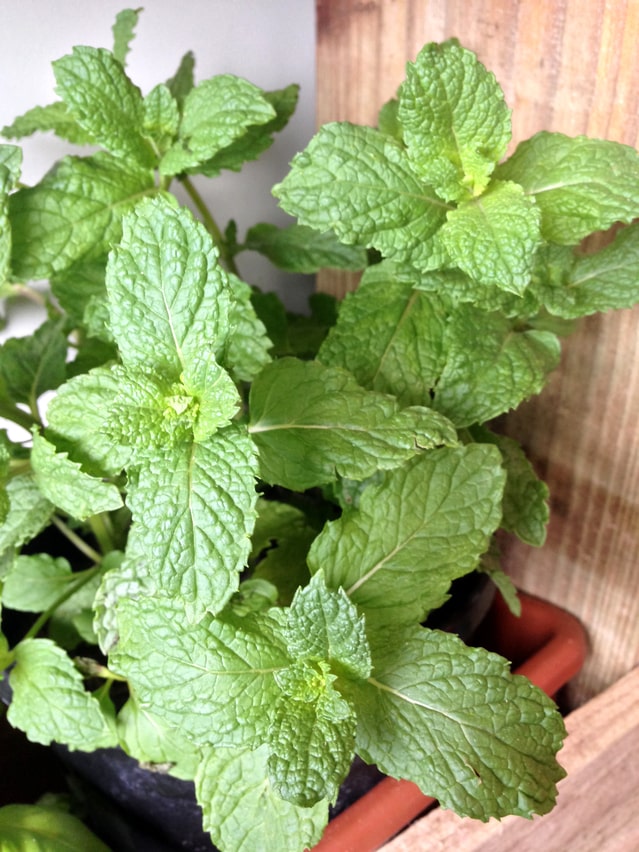
(meltingdog/FreeImages.com)
To have success growing mint, keep the following cultivation tips in mind. Locate mint in a full-sun to part shade location. In areas with hot afternoon sun, plant mint in an area that receives shade in the latter part of the day.
Plant mint in nutrient-rich soil that stays moist. To encourage the soil to retain moisture, add a generous amount of homemade or bagged compost to the soil prior to planting. Containerize mint if you are concerned about the herb taking over your garden. Mint can be aggressive, since it grows by underground stems. Generally, this is only a problem in areas of the country with abundant rainfall, or if you will be planting in an area of the yard that gets irrigated regularly. The plant dies back in dry soil. In containers, plant mint in a high-quality potting soil that retains moisture. Water mint regularly. Mint will die back if not given sufficient water. Plant mint in areas of the garden that remain moist, such as by downspouts. Also keep in mind that pots dry out much more quickly than the ground, especially when the weather is warm. Water containerized mint as soon as the soil surface dries out..
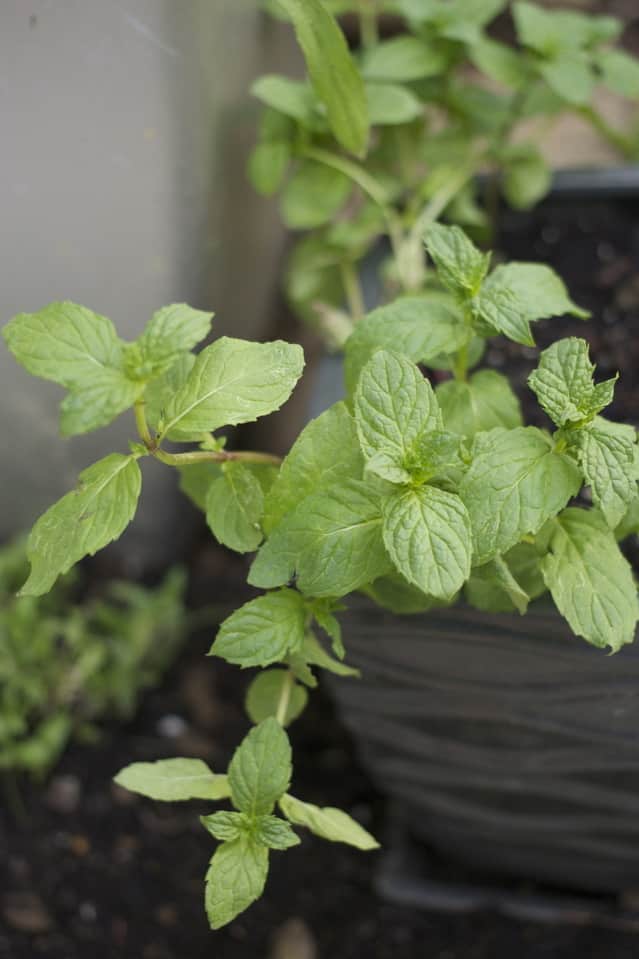
(Cara James/FreeImages.com)
Fertilize mint at planting time with a well-balanced, organic fertilizer. If you will be growing mint year-round, fertilize every two months. Harvest mint often. Regular pruning will cause the plant to grow bushy and strong. Pinch back any flowers that appear, as they can make the leaves taste bitter. For the best tasting mint, harvest at midday. Store mint with the stems in water and use within a week. If you wish to keep mint longer, freeze the leaves in ice cubes or dry them. Julie Bawden-Davis is a garden writer and master gardener, who since 1985 has written for publications such as Organic Gardening, Wildflower, Better Homes and Gardens and The Los Angeles Times. She is the author of seven books, including Reader’s Digest Flower GardeningFairy GardeningThe Strawberry Story, and Indoor Gardening the Organic Way, and is the founder of HealthyHouseplants.com.

Grow Spiraea in your Late Summer and Fall Garden

Versatile plants that flower in the spring and summer and provide a foliage show in the fall do triple duty in the garden. Spiraea is one of these plants. Also known as bridalwreath, this gorgeous, mounding shrub produces a fountain of cascading delicate white, pink, yellow or red flowers in spring and summer. Come fall, this deciduous shrub’s foliage turns a stunning orange-red.

Besides being eye candy, spiraea attracts a plethora of bees and butterflies to the garden. Given its good looks and appeal, bridalwreath deserves a place of prominence in the garden, such as in the front yard, in the center of a garden bed or as a focal point in the backyard. It grows 2 to 10 feet high and 2 to 10 feet wide, depending on the available growing space and cultural and climate conditions.
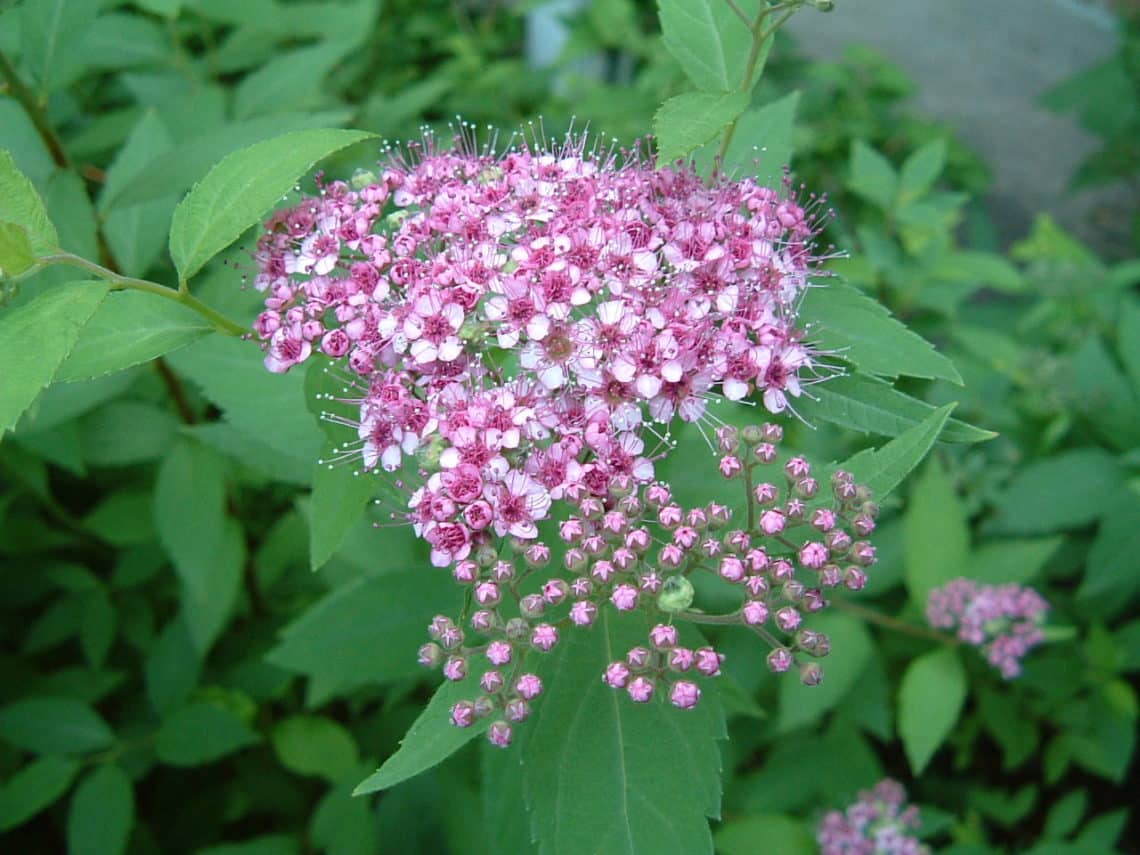
(Patricia Byrd/FreeImages.com)
To have luck growing spiraea in your garden, keep the following cultivation tips in mind. Provide full sun to light shade. Although bridalwreath does best in full sun, it can tolerate some shade. Plant in an area where spiraea will receive a minimum of six hours of sun a day. Morning and early afternoon sun is best with afternoon shade.
Plant in a well-draining location. Bridalwreath requires good drainage to grow well. Test the drainage prior to planting by digging a 6- to 8-inch hole and filling with water. The water should drain within an hour. If it doesn’t, mix in compost and pumice to a depth of 8 to 12 inches and retest drainage.
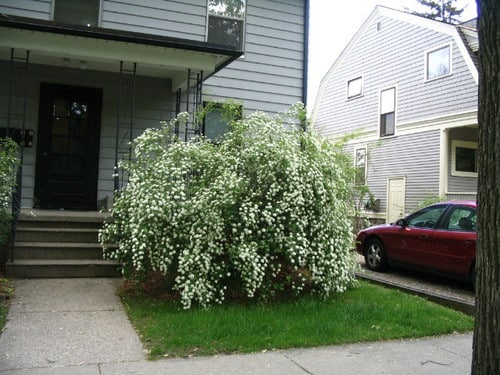
(Garden Delights Online Plant Nursery)
Water regularly. Although bridalwreath is tolerant of some drought, it does best with regular watering. During the growing season, irrigate established spiraea every two weeks by watering at a slow trickle with a soaker or garden hose, if there is no rainfall. Water young spiraea plants when the top 1 to 2 inches of soil has dried out. Avoid overhead watering, as this can cause fungal problems on the foliage that can lead to premature leaf drop. Feed periodically. Spiraeas aren’t heavy feeders. They will, however, grow more vigorously if you feed them occasionally. Apply an organic fertilizer designed for flowering plants in early spring, late spring and midsummer.
(Garden Delights Online Plant Nursery)
Prune after flowering. If you wish to reduce the size of spiraea, cut the plant back immediately after flowering. Pruning at any other time of the year may mean that you cut off flower buds. When you prune, do so to shape and avoid removing more than 25 to 30 percent of the plant. Julie Bawden-Davis is a garden writer and master gardener, who since 1985 has written for publications such as Organic Gardening, Wildflower, Better Homes and Gardens and The Los Angeles Times. She is the author of seven books, including Reader’s Digest Flower GardeningFairy GardeningThe Strawberry Story, and Indoor Gardening the Organic Way, and is the founder of HealthyHouseplants.com.

Grow Evening Primrose in Your Late Summer and Fall Garden

Want to grow a late summer and fall blooming plant that attracts butterflies? Try growing evening primrose, which blooms at night with a citrus-like aroma. This easy grower sporting bright yellow flowers lights up the garden after dark like few other blooms can.

Native to North America, evening primrose is grown throughout many parts of the world. In addition to being popular for its bright flowers, the plants are grown to create evening primrose oil, which is available in pill form. The oil of the plant, which is extracted from the seeds and made into capsules, has been used as a remedy for a variety of ailments for decades. Evening primrose oil is said to treat eczema, rheumatoid arthritis and women’s various hormonal problems. To have luck growing evening primrose, keep the following cultivation tips in mind. Allow room for spreading. Evening primrose is a spreading and branching plant that can quickly fill up a garden bed or field. The plant is especially useful for hard to landscape areas, such as steep hillsides. When locating evening primrose in the landscape, also consider the fact that they provide fragrance at night, so they are best placed in areas where you spend time in the garden.
(Michael & Christa Richert/FreeImages.com)
Grow in containers. If you prefer not to let evening primroses loose to roam in your garden, plant these flowers in containers. Grow potted evening primrose on your patio or deck, and you can be sure to enjoy their delightful fragrance at night.
Provide full sun. Evening primrose requires at least six to eight hours of sunlight each day in order to bloom well. Plant in well-draining soil. Though they aren’t particular about soil type, evening primrose perform best in soil that drains well. Amend the planting area with compost or pumice prior to planting, if drainage is slow. Plant container grown evening primrose in a high-quality potting soil that contains perlite or pumice for drainage. Water regularly. Though evening primrose is somewhat drought tolerant, it thrives when watered on a regular basis. Irrigate when the top one to two inches of soil has dried out. Feed once a year. Evening primrose plants aren’t heavy feeders. Get them off to a good start in spring by fertilizing with an organic fertilizer designed for flowering plants. Julie Bawden-Davis is a garden writer and master gardener, who since 1985 has written for publications such as Organic Gardening, Wildflower, Better Homes and Gardens and The Los Angeles Times. She is the author of seven books, including Reader’s Digest Flower GardeningFairy GardeningThe Strawberry Story, and Indoor Gardening the Organic Way, and is the founder of HealthyHouseplants.com.

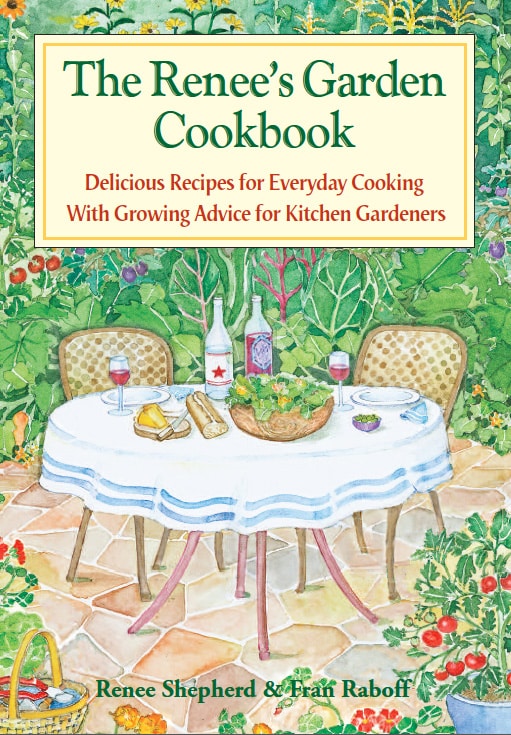
The Renee’s Garden Cookbook

As you harvest late summer veggies from the garden, you may be running low on ideas for using yet another squash, pepper or tomato. Take a look at The Renee’s Garden Cookbook and you’re likely to find yourself wishing for even more produce.

Authored by longtime garden seed entrepreneur and garden guru Renee Shepherd with cooking instructor and author Fran Raboff, the 156-page cookbook is chock full of recipes designed to make the most of homegrown veggies. Shepherd, who has been in the seed business for decades, originally started Shepherd’s Garden Seeds in 1985. Today she owns Renee’s Garden Seeds. “Back in the late 80s and early 90s, I was introducing a variety of vegetables that were widely unfamiliar to people at the time, such as arugula and radicchio,” says Shepherd, author of two previous cookbooks, Recipes from a Kitchen Garden and More Recipes from a Kitchen Garden. “Along with providing seed for people to grow the vegetables, I wanted to give them information on how to prepare and enjoy the produce.”
(Shepherd Publishing)
Shepherd’s seeds, which include heirloom gourmet veggies, herbs and flowers, are chosen from seed growers around the world. The seeds are grown and the resulting vegetables trialed for great flavor and garden performance and can be found via mail-order and through garden centers and nurseries. “There’s a seamless connection between growing vegetables and cooking with them,” says Shepherd. “For me, gardening with edibles leads to the fun of cooking with them, and cooking with fresh vegetables inevitably leads back to the desire to grow them–it’s hard to say which is the chicken or the egg. To start out with a little hard seed and end up with food on your table is a lot of fun.” Shepherd and Raboff created the recipes in their cookbook by getting together weekly in Raboff’s kitchen with Shepherd’s produce. Shepherd has a variety of favorite recipes in the book, which also features illustrations of vegetables and gardening advice. These include Tomato and Red Lentil Soup with Dried Apricots and Lime, Italian Escarole Soup with Tiny Turkey Meatballs, Grandma’s Kosher Dill Pickles, Chunky Chicken Salad with Apples, Dried Cranberries and Toasted Nuts, Gingery Gingersnaps, Yogurt Cheese Pie Scented with Lemon Geranium, Beth’s Green Bean Salad with Lime and Mustard Dressing and Mary Jo’s Albacore Tuna with Fresh Sage and Bow-Tie Noodles.
(Shepherd Publishing)
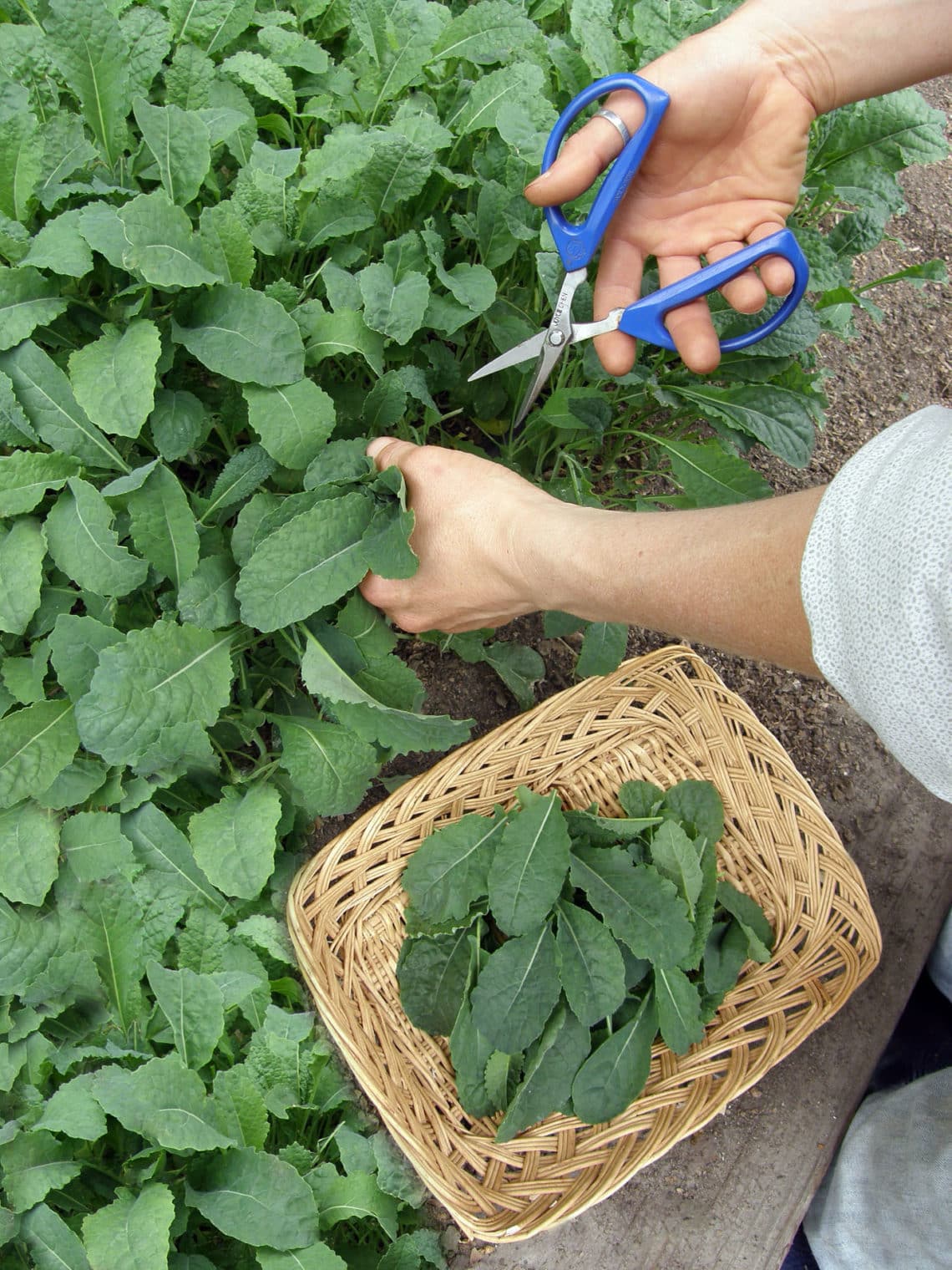
The following recipe from The Renee’s Garden Cookbook features kale, which has gained attention in the kitchen and garden over the last couple of years as a healthy green. “If you grow kale in the garden, it is much sweeter and tenderer than any kale you’ll get in the store,” says Shepherd. Fresh Kale Salad with Peanut & Lime Dressing 1 large bunch kale, ribs removed, cut in thin ribbons 1 red, yellow or orange bell pepper cut in ½ inch diced pieces 4 to 6 whole scallions, thinly sliced 1 large red apple cut in julienne strips
 1 cup chopped fresh cilantro
Dressing: 1 tablespoon peanut butter, chunky or smooth 4 tablespoons seasoned rice vinegar 8 tablespoons peanut, olive or canola oil ¾ teaspoon toasted sesame oil 1 clove garlic, finely minced ½ teaspoon sugar 1 large fresh lime, juiced ¼ teaspoon each, salt and freshly ground pepper Garnish: ½ cup roasted peanuts, coarsely chopped Combine dressing ingredients in a jar with a lid. Shake thoroughly. In a large salad bowl, combine greens, bell peppers, scallions, apple and cilantro. Toss with dressing, sprinkle with nuts and serve. Serves 6 Julie Bawden-Davis is a garden writer and master gardener, who since 1985 has written for publications such as Organic Gardening, Wildflower, Better Homes and Gardens and The Los Angeles Times. She is the author of seven books, including Reader’s Digest Flower GardeningFairy GardeningThe Strawberry Story, and Indoor Gardening the Organic Way, and is the founder of HealthyHouseplants.com.

Grow Potentilla in Your Late Summer and Fall Garden

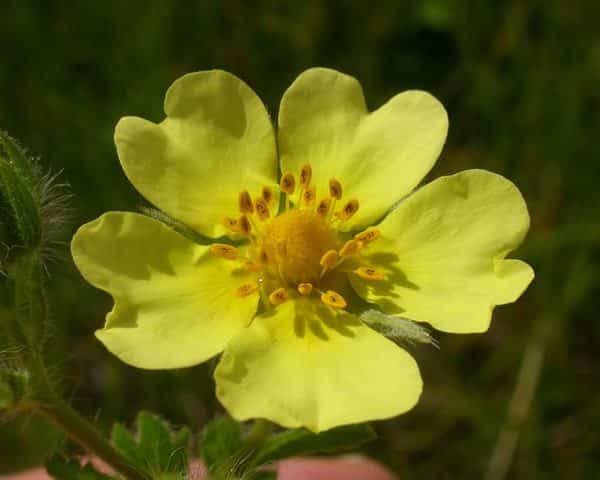
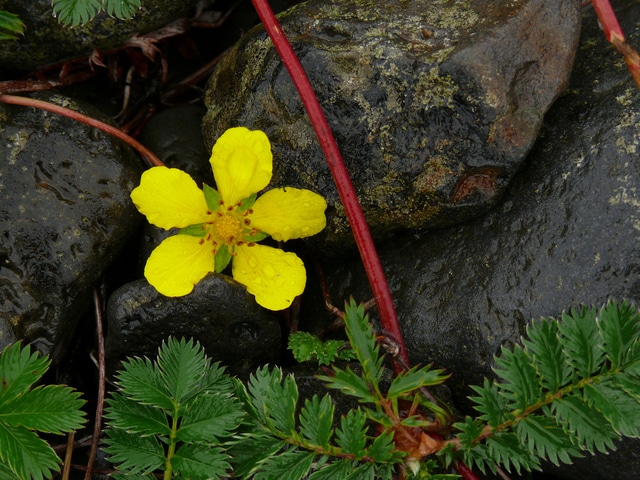
Commonly known as cinquefoil, potentilla is an easy-to-grow flowering shrub that lights up the summer and fall garden with bright yellow, white, pink or red buttercup flowers that can be seen from a distance. The showy blooms are a welcome sight in the garden when many other blooms have faded.

Cinquefoil is a hardy, deciduous shrub that tolerates freezing temperatures, so it can be grown in a wide variety of climates. The plant grows 1 to 4 feet tall and 2 to 4 feet wide. Potentilla is also a nectar and larval source for various species of butterflies, including the Grizzled Skipper, Cinquefoil Skipper, which feeds exclusively on cinquefoil, and the Emperor Moth. Deer don’t like to eat potentilla. Potentilla are versatile in the garden. They can be used in flower beds, rock gardens and even as foundation plantings or groundcover. Cinquefoil also make excellent container plants. To have luck growing cinquefoil in your garden, keep the following growing tips in mind. Choose the ideal planting location. Potentilla grows and flowers in full sun to part-shade. Cinquefoil will bloom the best in full sun, but the brilliant flower color will fade more slowly in a part-shade location. Plant cinquefoil in an area that receives at least 6 hours of sun a day. If planting in a part-sun location, locate the plant in an area with morning sun and afternoon shade. Plant in containers. Cinquefoil makes an excellent potted plant. Plant in an organic potting soil in a glazed ceramic or plastic pot.
(Anja Ranneberg/FreeImages.com)
Provide good drainage. Potentilla prefers well-draining soil, although they will tolerate wet feet occasionally. The best soil for potentilla is loam, but they also adapt to clay and sandy soil. Once established, potentilla can also tolerate drought. Water regularly. Though cinquefoil can tolerate some drought, it does best with regular watering. Water ground plants when the first two inches of soil has dried out. Water container plants when the first inch of soil has become dry. Fertilize occasionally. The ideal time to feed cinquefoil is in late February, again in early June and after the first flowering in midsummer. Fertilize with an organic fertilizer designed for flowering plants, such as a rose food. Prune. Trim potentilla in early spring to shape and after the first flowers of summer finish blooming. This second pruning will cause the shrub to flower again. Prune back by one-eighth to one-quarter only and never more than one-third, or you could damage the plant. Cut and enjoy. Potentilla make attractive flowers for arrangements. The cut blooms will last several days in water. Julie Bawden-Davis is a garden writer and master gardener, who since 1985 has written for publications such as Organic Gardening, Wildflower, Better Homes and Gardens and The Los Angeles Times. She is the author of seven books, including Reader’s Digest Flower GardeningFairy GardeningThe Strawberry Story, and Indoor Gardening the Organic Way, and is the founder of HealthyHouseplants.com.

Grow Spider Lily in your Late Summer and Fall Garden

Though spring brings a lot of magical surprises to the garden in the way of blooms, by the end of a long summer, the landscape looks a bit ragged. So when you can plant a flower that will pop up and give you a late summer and fall surprise like spider lily, I say plant plenty of them!

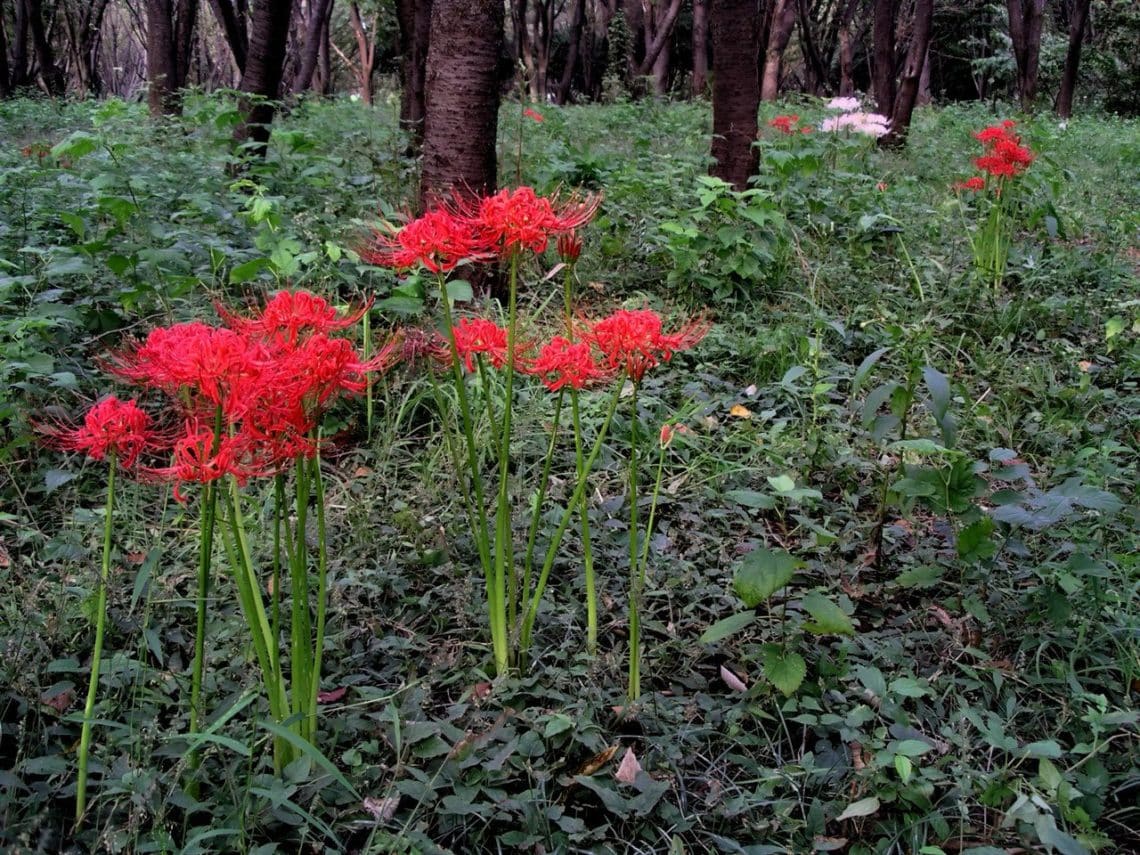
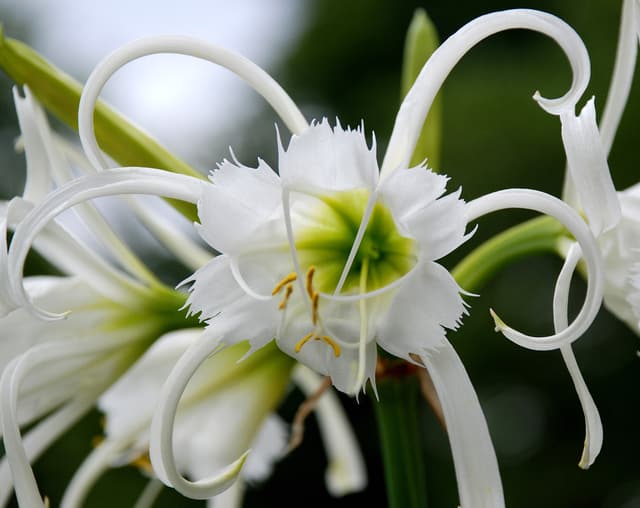
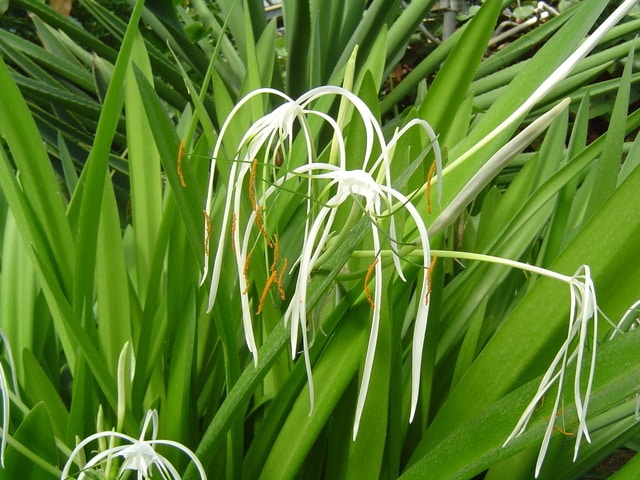
Also sometimes called surprise lily, spider lily (Lycoris radiata) is a bulb that belongs to the amaryllis family. The plant features 1- to 2-foot-long delicate stems that appear in late summer and become topped off by red or white flowers that resemble spider legs. In addition to being eye-catching, these unusual flowers attract butterflies and hummingbirds. After flowering, the plant grows strappy gray-green leaves that overwinter in the landscape and disappear in late spring.
(Claudia Meyer/FreeImages.com)
To have luck growing spider lilies in your garden, keep the following cultivation tips in mind. Choose your planting area. Spider lilies do well in a variety of conditions–from full sun to partial shade. Select a sunny location or a spot that gets morning sun and afternoon shade. These plants can be planted just about anywhere in the landscape. They do well in flower beds, meadows and can even coexist in turfgrass. If you do decide to plant them in your lawn, avoid mowing the planting area when they’re flowering and leafing out. Prepare the soil. Spider lilies do best in loose, well-drained soil. Amend with compost or pumice prior to planting. Check that the drainage is adequate by digging a 6-8-inch-deep hole and filling with water. It should drain within a couple of hours. If it doesn’t, add more amendments and check the drainage again.
 Watch watering. Irrigate spider lilies when they are in active growth. Avoid overwatering, as this can lead to rotted bulbs or root rot. Wait to water until the top 2 to 3 inches of soil has dried out. Stop watering when the blooms finish and the foliage begins to die back in fall.
(Ji Ro)
Feed infrequently. Spider lilies aren’t heavy feeders. Apply an organic fertilizer designed for blooming plants in the spring and at planting time. Divide occasionally. When spider lily flowers become smaller and the plants are less vigorous, it’s time to divide them. This is generally required every three to five years. Do so after the plants finish flowering in the fall. Dig up the bulbs, keeping as many roots intact as possible. Spray the clumps with water to remove soil and allow the bulbs to dry completely. Then gently remove the smaller bulbs that are surrounding the mother bulb. Store the bulbs with roots intact in a mesh bag in a cool, dark location until spring when you can replant them. Julie Bawden-Davis is a garden writer and master gardener, who since 1985 has written for publications such as Organic Gardening, Wildflower, Better Homes and Gardens and The Los Angeles Times. She is the author of seven books, including Reader’s Digest Flower GardeningFairy GardeningThe Strawberry Story, and Indoor Gardening the Organic Way, and is the founder of HealthyHouseplants.com.

Grow Asters in Your Late Summer and Fall Garden

Don’t let the spent flower blooms during these dog days of summer have you thinking that the garden is done for the season. Plant asters in your late summer garden and you’ll enjoy a colorful floral display well into fall. Many asters will flower until frost.

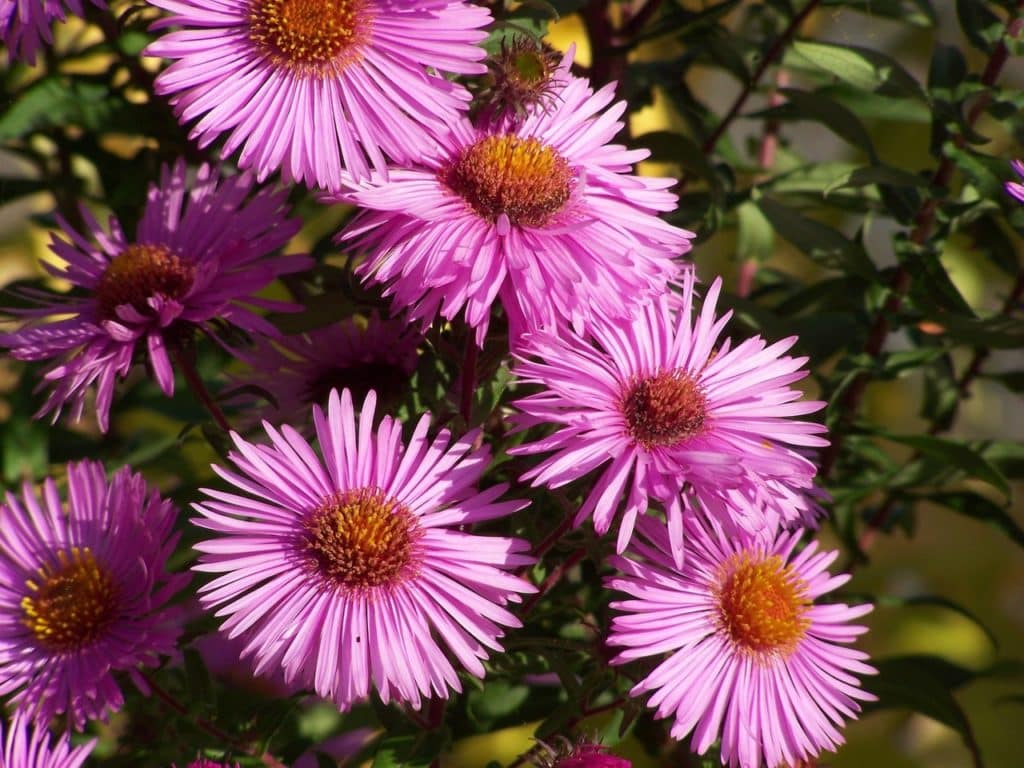
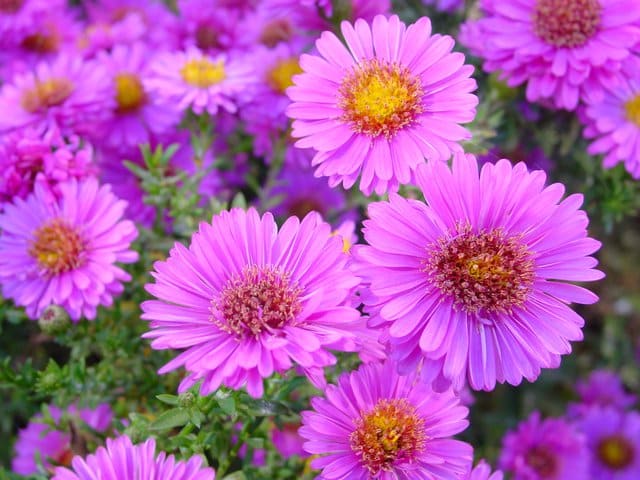
Consisting of daisy-like blooms, asters come in a wide range of striking colors, including blue, white, pink, yellow, orange and lavender. In addition to lighting up the garden, asters, which are perennials, provide a nectar source for wildlife, including bees and other insects, and they are host plants for butterflies and moths. Once asters go to seed, they also provide birds much needed nourishment.
(Andrea Kratzenberg-FreeImages.com)
To have luck growing asters in your late summer and fall garden, keep the following cultivation tips in mind. Provide proper lighting. Most asters require bright light to grow well. Plant in an area of the garden that receives a minimum of six hours of sun a day. Some asters require partial shade. For those species, plant in an area that receives morning sun and afternoon shade or dappled sunlight throughout the day. Amend the soil. Though asters will grow in heavier soils, such as clay, they do best if the soil is amended, so that the drainage is good. Add homemade or bagged compost to the planting area prior to planting.

(Ann Mulder/FreeImages.com)
Water until established. Asters are fairly drought tolerant, once established. Water them regularly for the first month until new growth appears and then taper off on watering. For established asters, water weekly or twice weekly in the absence of rainfall during the growing season. Feed yearly. Asters require very little in the way of fertilizer. If you over-feed them, asters will create excessive foliage and no blooms. When planting, add an organic starter fertilizer to the soil. Thereafter, fertilize in the spring with an organic fertilizer designed for flowering plants.
(Susie Uebler/FreeImages.com)
Cut back in spring. In order to experience an abundant aster show in the late summer and fall months, cut the plants back in spring about a month after they’ve started growing. Prune them back by 50 percent with garden shears. This “haircut” will cause them to branch out and grow bushier, as opposed to becoming tall and unwieldy. Un-pruned asters are more likely to require staking when they bloom. Cutting asters back also ensures that they get adequate air-circulation, which prevents them from succumbing to rust and mildew diseases. Divide every three years. Asters eventually grow into large clumps and need to be divided every three years or so. Divide in early spring by digging up the plant clumps and cutting them into separate plants. Replant, spacing 1 to 3 feet apart. Julie Bawden-Davis is a garden writer and master gardener, who since 1985 has written for publications such as Organic Gardening, Wildflower, Better Homes and Gardens and The Los Angeles Times. She is the author of seven books, including Reader’s Digest Flower GardeningFairy GardeningThe Strawberry Story, and Indoor Gardening the Organic Way, and is the founder of HealthyHouseplants.com.

Grow Cattails in Your Water Garden and Pond

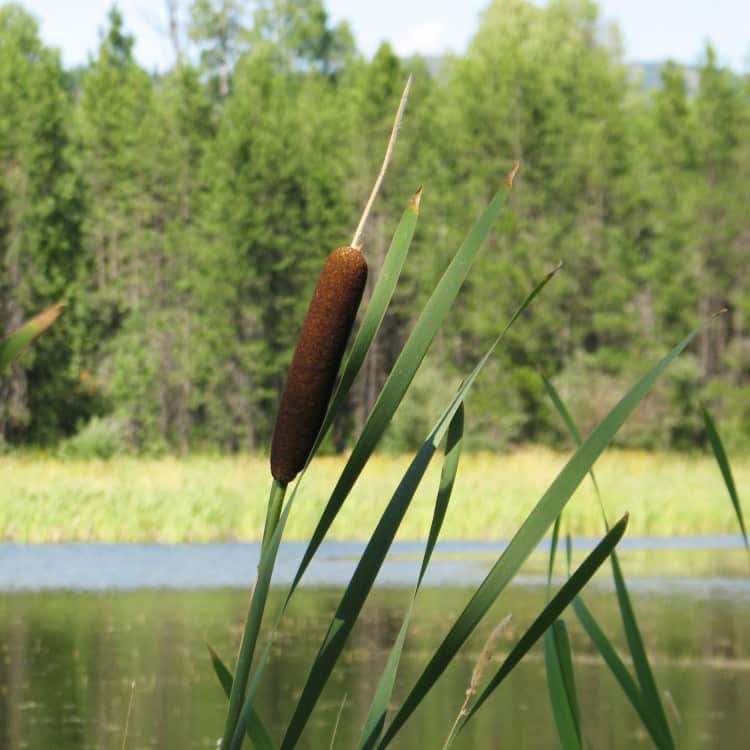
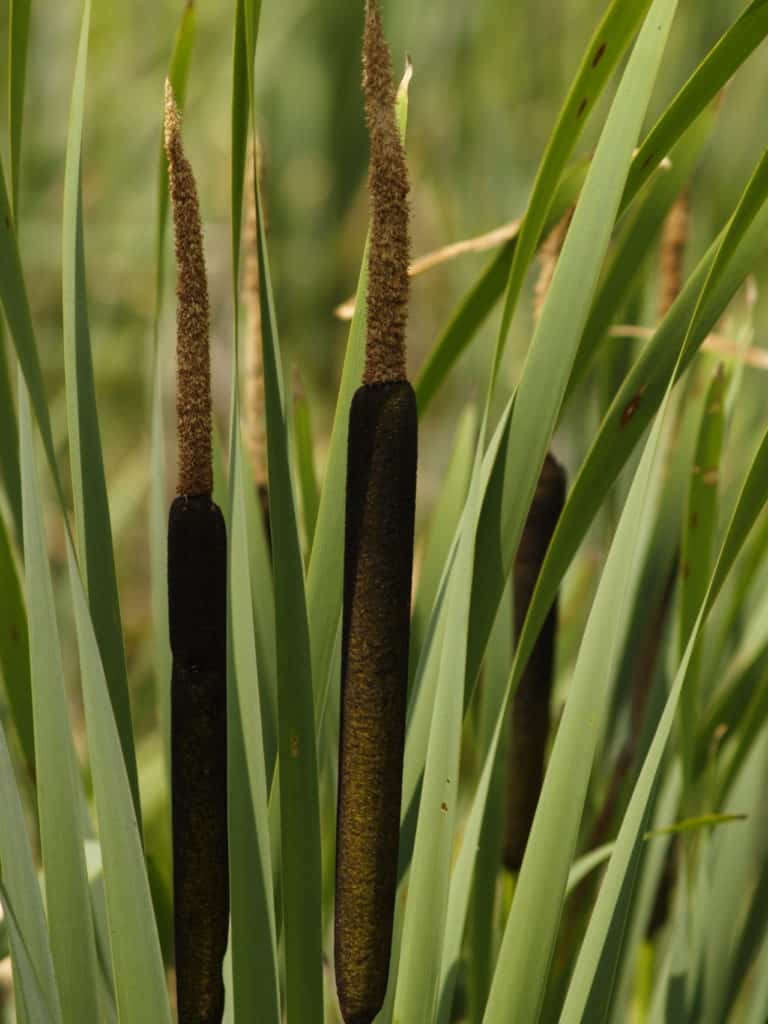
If you have a water feature in your garden, such as a pond or bog, cattails (Typha latifolia and T. angustifolia) make an eye-catching addition. Their sword-like leaves and brown inflorescences, which actually resemble cat tails, offer a unique architectural element to the landscape. The “tails” of these plants also provide nutrient rich food for birds, bees and other animals, as well as nesting materials.

Featuring a dense root system, cattails can be used to prevent shore erosion on lakes and small ponds. These plants also do a good job of filtering toxins out of water, and they have nitrogen-fixing bacteria in their roots, which means they absorb this important nutrient and then redistribute it to surrounding soil. Once established, cattails can spread quickly via rhizomes (spreading roots), as well as seed. While this may be something you want if you have a large pond, their tendency to readily propagate may not be a good thing if you have small water feature or bog. The good news is that you can contain cattails very easily by growing them in pots and cutting off the seed heads before they distribute themselves in the fall.
(Anna Lauk/FreeImages.com)
Follow these tips for growing cattails in your water garden. Plant in partial to full sun. Cattails will thrive in a bright location. Avoid planting them in a shady area, as they won’t do well in such conditions.
Provide moist conditions. While cattails can grow in a wide variety of soil conditions, they require perpetually moist soil and can grow in up to 12 inches of water. If you are planting them in a boggy area and you experience dry summer conditions, make sure to provide supplemental water. Grow in containers. If you wish to contain cattails, choose a dwarf variety that grows 2 to 3 feet high. (Some native varieties can reach 6 feet tall.) Plant cattails in durable 1-gallon containers—one plant per pot—or use a water garden basket of a similar size. If the pot isn’t durable, the rhizomes may break through and root in surrounding soil.
(Michael Tschauder/FreeImages.com)
Plant in soil from the water garden or similar soil. Cattails do best in heavy clay-loam soil, rather than potting soil, which is too lightweight and tends to float out of the pot and into surrounding water. Once planted, submerge the pot up to the rim in the water garden. Fertilize once in early spring. Use a well-balanced organic fertilizer designed for water gardens. The plants will remove the nutrients they need from the water garden for the rest of the season. Divide occasionally. Once every two to three years, remove the cattails from the container and divide the rhizomes by cutting through them with a knife. Repot the new plant sections in their own containers. Julie Bawden-Davis is a garden writer and master gardener, who since 1985 has written for publications such as Organic Gardening, Wildflower, Better Homes and Gardens and The Los Angeles Times. She is the author of seven books, including Reader’s Digest Flower GardeningFairy GardeningThe Strawberry Story, and Indoor Gardening the Organic Way, and is the founder of HealthyHouseplants.com.

Tree-Stump Planting in Your Summer Garden

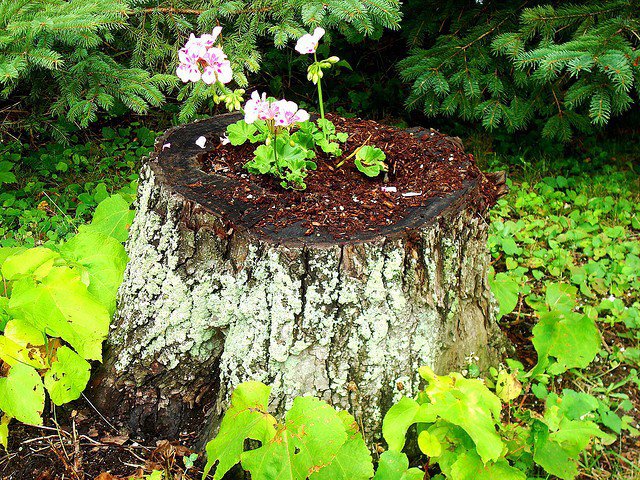
If you’ve ever had to remove a tree, you know how much work taking out the stump can be. Many gardeners find it easier (and less expensive) to leave the stump, while some go a step further and plant in it. Tree-stump planters add a touch of whimsy to the garden and make great focal points.

You may even find that you like the look so much that you want to add additional tree-stump planters to your landscape. Such planters are made from the trunks of trees. Here are some tips for creating a tree stump planter for your yard this summer. Hollow out the stump. If a tree stump is new, it will take more work to create a container out of it, as the wood will still be green. Tree stumps that have deteriorated for some time will be easier to hollow out. Either way, you’ll need a mattock or pickaxe to create a planting cavern. Wear safety glasses when you hollow out the stump.
(ZyFranklin/FreeImages.com)
After you’ve created a hollow in the stump that is at least 6 to 10 inches deep and wide, use a drill to make ½- to 1-inch in diameter drainage holes. Space the holes 3 to 4 inches apart and include holes on the sides near the base of the stump so that the water has a place to drain rather than pooling at the bottom, where it is likely to break down the base of the stump.
Fill the stump with soil. For best growing results, mix 75 percent well-draining potting soil with 25 percent compost. Fill the stump with the mix and then water well to settle. If after watering the soil settles to more than 1 inch below the stump rim, add more soil and water again. Plant. Anything that grows well in a container will thrive in a tree stump planter. Plant annual or perennial flowers or small shrubs. To create a stunning focal point, combine three types of plants in the stump. Start by planting something tall and upright, like Echinacea, in the center of the stump. Surround that plant with medium to low-growing plants like geranium, and then fill the edges with trailing plants that spill over the sides of the stump planter, like lobelia.
( Landscaping Plants Nursery)
Whatever plants you do choose, make certain they are compatible in terms of required lighting. Maintenance. Treat a stump planter as you would any container garden. Keep the soil moist but not soggy. Feed the plants every two weeks with an organic all-purpose fertilizer throughout the rest of summer and into early fall. Julie Bawden-Davis is a garden writer and master gardener, who since 1985 has written for publications such as The American Gardener, Organic Gardening, Wildflower, Better Homes and Gardens and The Los Angeles Times. She is the author of seven books, including Reader’s Digest Flower GardeningFairy GardeningThe Strawberry Story, and Indoor Gardening the Organic Way, and is the founder of HealthyHouseplants.com.

Grow Daylilies in Your Summer Garden

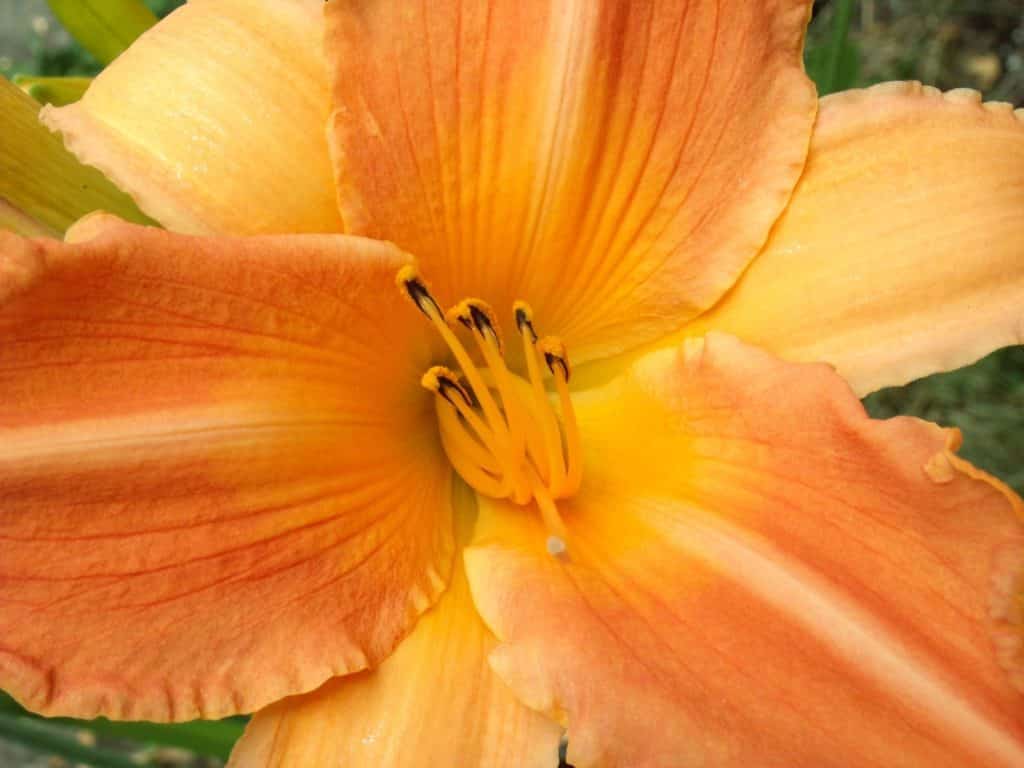
Looking for a summer and fall flower that offers a rainbow of bloom colors, thrives in just about any landscape and can be drought tolerant when necessary? Plant some daylilies. The botanical name for these easy-to-grow plants is Hemerocallis, which comes from two Greek words that mean beauty and day. The day refers to the fact that the each bloom only lasts a day. There are, however, many buds on one flower stalk that keep blooming over a long period.

Daylilies come in a wide variety of sizes—from 6 inches to 8 feet tall, with 3 to 4 feet the most common. The plants generally grow in a clump, which can spread to about a foot wide. Flower colors run the gamut, including bi-colored blooms. Common daylily colors include yellow, orange, pink, red, purple, white, cream and even brown.

(Claudia Meyer/FreeImages.com)

To have luck growing daylilies, keep the following cultivation tips in mind.

Provide sun or partial shade. Daylilies grow the best in full sun, but they will tolerate part-shade conditions. If you do plant them in part-shade, choose an area of the garden that gets at least six hours of sun a day, preferably in the morning and early afternoon.

Keep in mind that some flower colors, such as various pinks and yellows, require sufficient sun for them to display their best colors. On the other hand, darker colored daylilies, such as red and purple, can become washed out in the sun, so they do best with some afternoon shade.

(Eileen Klinger/FreeImages.com)
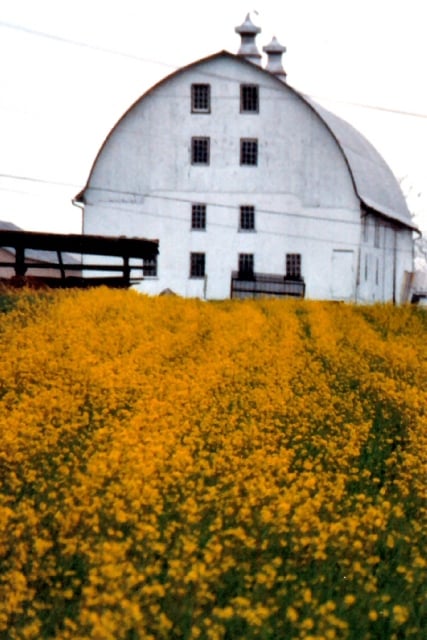
Plant in well-draining, fertile soil. Daylilies require a soil that drains well, yet retains sufficient water and is nutrient rich. To accomplish this, add generous amounts of compost to the soil when preparing it for planting. Raised beds are an excellent choice for creating good drainage and rich soil.

Fertilize. Add a starter fertilizer when planting daylilies and feed once in spring and again in midsummer with an organic fertilizer designed for flowering plants.

(Mary Ellen Rynes/FreeImages.com)

Water regularly. While daylilies grow in drought conditions, they do best when given regular water. In the absence of rainfall, give the plants a deep watering when the top 2 to 3 inches of soil has dried out. Avoid overhead watering, as this can cause spots on the blooms. To cut down on the need for watering and to improve the soil, mulch with 1 to 2 inches of shredded bark or leaf mold.

Groom regularly. Keep daylily plants tidy by removing spent blooms on a regular basis.

Julie Bawden-Davis is a garden writer and master gardener, who since 1985 has written for publications such as The American Gardener, Organic Gardening, Wildflower, Better Homes and Gardens and The Los Angeles Times. She is the author of seven books, including Reader’s Digest Flower GardeningFairy GardeningThe Strawberry Story, and Indoor Gardening the Organic Way, and is the founder of HealthyHouseplants.com.

Grow Angelica in Your Summer Garden

With its white, lacy blooms and name, angelica conjures up the ethereal. But did you also know that this summer bloomer is responsible for martinis? A European herb that blooms profusely at this time of year, angelica is used in a variety of liquors, including gin and vermouth. Throughout history, its foliage has also been used to make herbal teas for medicinal purposes.

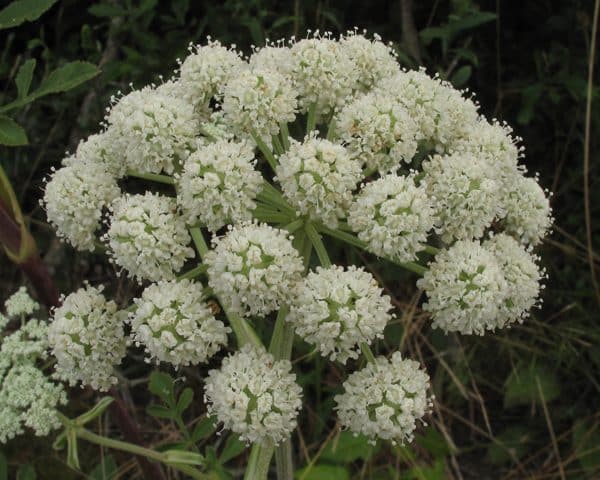
In the same family as carrots and parsley, Angelica features showy, umbrella-like flowers that make great landing pads for butterflies and bees. The leaves have a musky scent and sweet flavor. The giant roots that resemble large, pale carrots and the plant’s seeds are also edible. Foliage, roots and seeds of angelica can be used to make tea and as seasoning. To have luck growing angelica in your summer garden, keep the following growing tips in mind. Ensure adequate drainage. Angelica requires rich, fertile soil with good drainage to do well. Dig a 6- to 8-inch hole in the garden where you wish to plant angelica and fill with water. The water should drain within an hour. If it doesn’t drain, dig compost and pumice into the planting hole and re-test by filling with water again. Even if you do have good drainage, mix compost into the planting hole prior to planting to enrich the soil. Provide sufficient growing space. Angelica grows 1 to 6 feet tall and will spread 2 to 4 feet wide, if given enough growing space.
Plant in part-shade. Place angelica in a part of the garden that receives some shade in the summer months. Good locations are those that get morning sun and afternoon shade. The plant can also thrive in an area with dappled sunlight throughout the day. The latter is a particularly good location for parts of the country that experience especially hot summers.
(Plant America Nursery)
Water regularly. Keep the soil surrounding angelica moist but not soggy. This is of particular importance during very hot weather. Angelica is not drought tolerant. If allowed to dry out, it will most likely not rebound. Keeping the planting area well weeded also helps to keep weeds from taking water from the plants. Fertilize occasionally. Angelica benefits from a starter fertilizer when you plant and then another feeding three to four weeks later. Use an organic fertilizer designed for flowering plants. Dry for tea or flower arrangements. If you wish to dry angelica to make tea leaves or to use the flowers in dried bouquet arrangements, cut flower stalks at the base of the plant during the morning or evening hours. Hang the stalks upside down in a cool, dry area of the home out of direct sunlight. Once the foliage is completely dry, use the flowers for dried arrangements, or store leaves for tea in a metal tin or glass container out of bright light. Julie Bawden-Davis is a garden writer and master gardener, who since 1985 has written for publications such as The American Gardener, Organic Gardening, Wildflower, Better Homes and Gardens and The Los Angeles Times. She is the author of seven books, including Reader’s Digest Flower GardeningFairy GardeningThe Strawberry Story, and Indoor Gardening the Organic Way, and is the founder of HealthyHouseplants.com.

Expert Tips for Gardening with Allergies

If you have gardening in your DNA, you know that problems like allergies aren’t going to stop you from communing with Mother Nature and enjoying her endless bounty. When a fragrant flower blooms, I’ll stick my nose right into it, despite the fact that I’m allergic and asthmatic. And when the garden calls me, I answer, despite a stuffy nose or itchy eyes.

I have found over the years as an avid gardener that there are steps you can take to make your garden enjoyment less problematic in the allergy department. Board-certified allergy and asthma specialist Dr. Neeta Ogden agrees. “Gardening can definitely be enjoyed, despite allergies,” she says. “It’s very important that people continue the activities they love—even with allergies—as these activities bring us emotional happiness and can counter the negative stress of any medical condition. People just need to approach it wisely and with preparation.” Here are tips for combatting outdoor allergens and enjoying the great outdoors with as few symptoms as possible. Know when to garden. Avoid gardening early in the morning or at dusk when pollen counts are highest, advises Ogden. “Plants produce most of their pollen in the early morning and late evening, so the pollen output of all plants is highest between 5-10 am and again around dusk. That said, our allergy seasons have become so severe with all–day spiking pollen counts, that the distinction in time of day is becoming increasingly less relevant.” Wear a hat, sunglasses, gloves and gardening shoes. Protecting your head, eyes, hands and feet limits exposure by creating a barrier between yourself and the pollen, says Ogden. “This diminishes your body’s exposure to pollen as you garden and its access to those specific parts of your body that can trigger symptoms.” Wash or wipe away pollen after gardening. As soon as you finish gardening, remove microscopic pollen by taking off your clothes and either washing your hair and body well or wiping down with baby wipes and using a saline rinse on your eyes, advises Ogden.
“Wash your hair thoroughly with shampoo and use a cleanser on your face or gently cleanse your upper eyelids, eyelashes and eyebrows with baby wipes. To rinse your eyes, use a saline solution for contact lens wearers. Stand over a sink and tilt your head to the side and irrigate your eyes to rinse them out. If possible, look for a preservative-free saline rinse, so it’s less irritating.” Be prepared and armed. “Taking allergy medications will help significantly,” says Ogden. “If you are a mild allergy sufferer, taking medication 60 to 90 minutes before gardening may be enough. More severe sufferers will need to be on a nasal spray and oral medication at least two weeks before the season begins. People with ocular allergies need to have their eye drops on hand and use them the day they garden or daily, if they have regular symptoms. For people who experience breathing difficulties, rescue inhalers should be on hand. Finally, for very severe sufferers, allergy shots have been successful at eliminating seasonal allergies completely.” Stick to your allergy medication regimen. “It’s important to stick to a plan for the entire season – even if you are eventually feeling better,” says Ogden. “I see a lot of allergy patients who may eventually feel good or experience a lull in their symptoms and then forget to take their allergy medications when they go outside. This often leads to allergy symptoms rearing their ugly heads again, so it’s important that you make a conscious effort to be aware and not complacent about your allergies.” Pay attention to indoor allergens. “Allergens lurk year-round in our homes,” says Ogden. “Seasonal allergy sufferers probably have, or at some point will develop, indoor allergies to things like mold and dust mites, so I advise all of my allergy patients to protect themselves indoors by regularly cleaning their homes, dusting with damp cloths and using allergen barrier bedding, mattress and pillow protectors, such as Allerease.” See a board-certified allergist. “It could be very helpful for an allergic gardener to see a board-certified allergist to discover what specific trees, grasses, and weeds they are allergic to,” says Ogden. “This will help them modify their garden in such a way that they might be exposed to less allergenic species.” A helpful resource in this area is The Allergy Fighting Garden: Stop Asthma and Allergies with Smart Landscaping by Thomas Leo Ogren. Monitor the pollen count. Most weather apps have daily pollen updates. Avoid long days gardening outside when the counts are especially high. Other good resources include the American College of Allergy Asthma and Immunology and the Allergy and Asthma Foundation of America. Julie Bawden-Davis is a garden writer and master gardener, who since 1985 has written for publications such as The American Gardener, Organic Gardening, Wildflower, Better Homes and Gardens and The Los Angeles Times. She is the author of seven books, including Reader’s Digest Flower GardeningFairy GardeningThe Strawberry Story, and Indoor Gardening the Organic Way, and is the founder of HealthyHouseplants.com.

Renovate Your Lawn with Miniclover

Lawns. Depending on who you talk to, it seems we can’t live with them and we can’t live without them. If you live in an area where water can be scarce, like I do in Southern California, plenty of people insist you can do away with lawns.

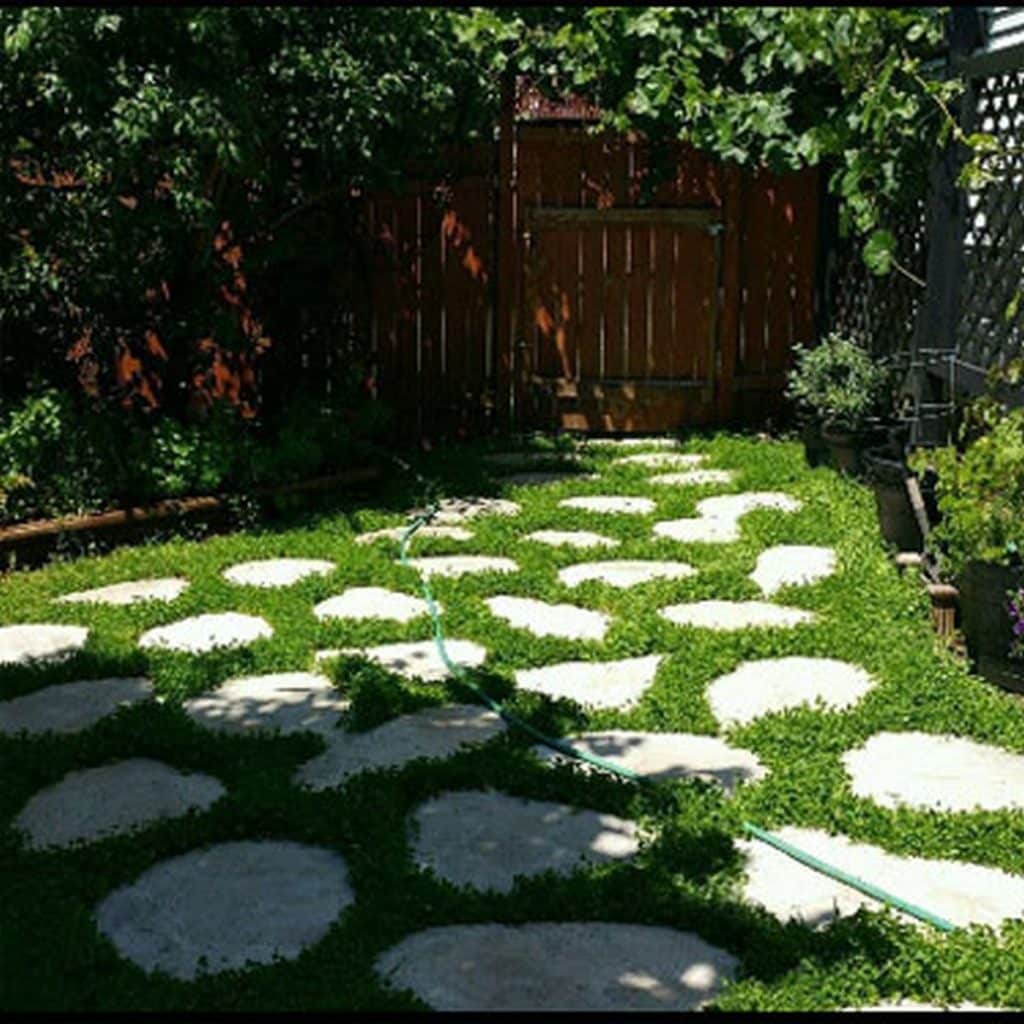
There’s something about a swath of green that calms and cools you, though. Research even shows that turf does a great deal for our landscapes and earth, including cooling the environment, cleaning the air, improving and restoring the soil and preventing erosion. And it just feels good to go barefoot on the lawn. As always, if you look to Mother Nature with a quandary, she’ll answer. That’s what some forward-thinking companies have done in recent years, like Outsidepride. They offer Miniclover (Trifolium repens) for lawns. This perennial clover—not to be confused with invasive White Dutch Clover—grows four inches tall, making it an ideal lawn alternative or addition to your current lawn. It is aggressive enough to fill in bare spots in the lawn, but not take over.
(Outsidepride)
In addition to producing a bright green, eye-candy lawn, Miniclover features a variety of other benefits, which include: Nitrogen fixer. This means that Miniclover takes nitrogen from the air and “fixes” it in your soil. The result is less need for fertilizing. Prevents weeds. Miniclover pushes out weeds as it grows via stolons (stems that grow horizontally along the ground).
Low maintenance. You can mow miniclover, which tolerates low mowing heights, or simply let it grow, as it doesn’t grow tall and unwieldy.
(Outsidepride)
Thrives in sun to partial shade. Unlike some turfgrass types that do poorly in part-shade, Miniclover does quite well. Drought tolerant. Clover has longer roots than regular turfgrass, which means it can access more water. It will also tolerate wet conditions. Stands up to foot traffic. Miniclover has superior wear tolerance and does well in compacted soil. Makes an excellent groundcover. If you want a plant that will fill in bare spots in the landscape, Miniclover makes a great groundcover. Grow it on its own, or because of its adaptability and ability to grow in a wide variety of conditions, you can easily combine it with other groundcover plants, such as evergreen ginger, ivy, thyme, ajuga, lamium and creeping phlox. Julie Bawden-Davis is a garden writer and master gardener, who since 1985 has written for publications such as The American Gardener, Organic Gardening, Wildflower, Better Homes and Gardens and The Los Angeles Times. She is the author of seven books, including Reader’s Digest Flower GardeningFairy GardeningThe Strawberry Story, and Indoor Gardening the Organic Way, and is the founder of HealthyHouseplants.com.

Plant Goldenrod for Brilliant Summer Bloom

Now that summer is in full swing, you might wonder if it’s too late to plant flowers. The good news is there’s still time to include summer and fall bloomers in your garden, like goldenrod. Botanically known as the Solidago species, this group of wildflowers is part of the daisy family.

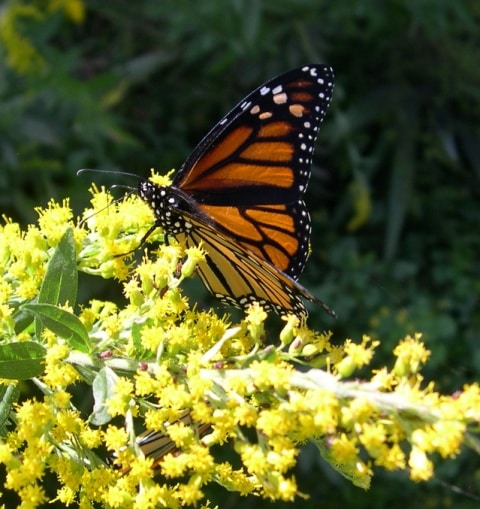
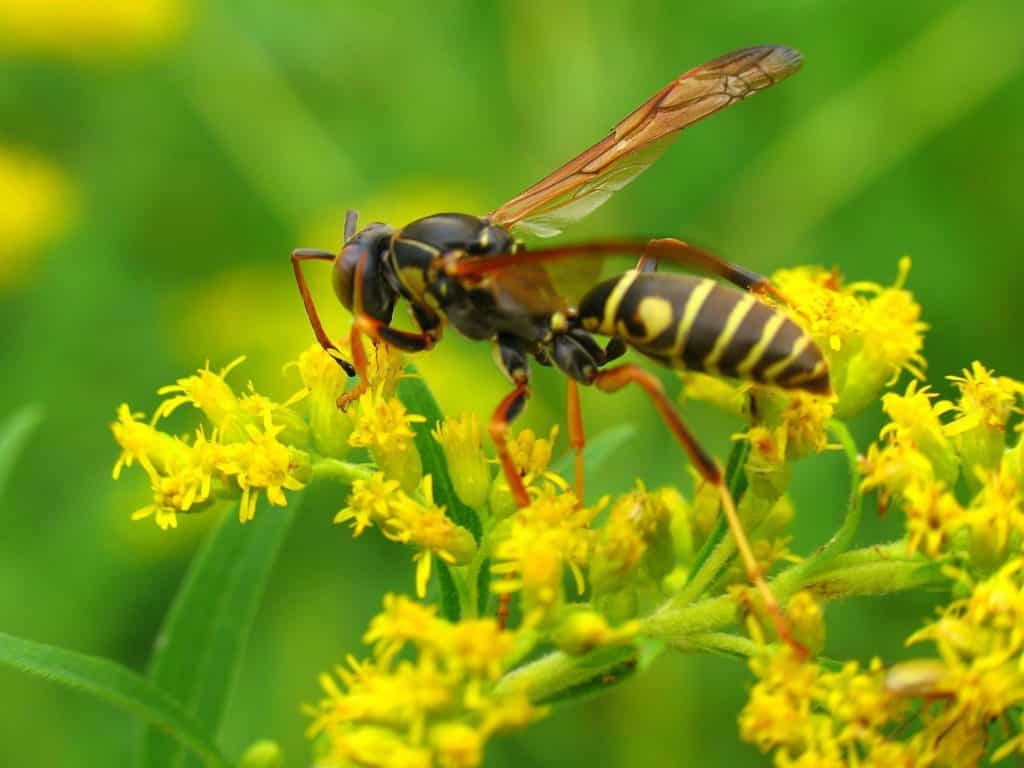
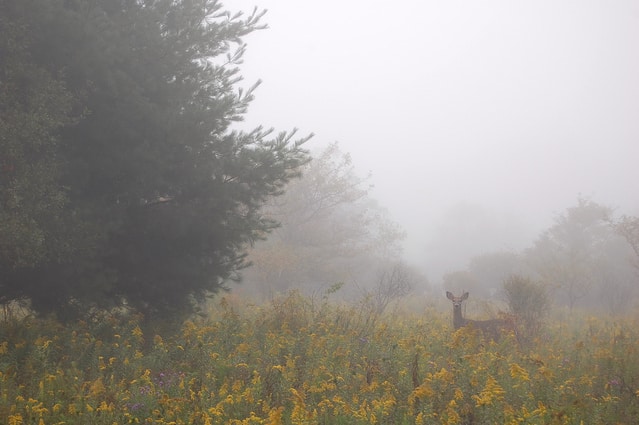
Featuring brilliant bright yellow or golden flowers, goldenrod makes a showy statement in the garden from July through September. The plant is an ideal choice for borders, as well as meadows, native gardens and herb gardens. Often found in natural settings, goldenrod is easy to grow and naturalizes in the garden, ensuring that you’ll be able to enjoy its blooms for many years to come. The eye-catching flowers are rich in nectar and attract bees, butterflies and many beneficial insects. Contrary to popular belief, goldenrod does not cause hay fever.
(Joe Zlomek/FreeImages.com)
To have luck growing goldenrod in your summer garden, keep the following cultivation tips in mind. Plant in full sun. For best blooming, locate goldenrod in an area of the garden that gets at least seven to eight hours of sun a day. Provide good drainage. Goldenrod will grow in just about any soil type, providing that it drains well. If the area tends to remain soggy, amend with homemade or bagged compost and pumice.
(Sandra Cunningham/FreeImages.com)
Water to establish. Fairly drought tolerant, goldenrod doesn’t require much additional water once established. When you first plant the flower, however, it’s important to keep the soil moist, but not soggy. Once new growth appears, gradually taper off on watering. Avoid fertilizing. As a wildflower, goldenrod prefers soils that aren’t nutrient rich, so avoid feeding this plant. Overly rich soil will lead to excessive foliar growth and weak stems, but little to no flowering. Deadhead. Cutting off flower heads of goldenrod before they go to seed keeps the plant blooming well and looking tidy. This will also keep goldenrod from reseeding, if you want to keep new plants to a minimum. When deadheading, also prune to shape.
(Bill Kuhn/FreeImages.com)
Divide periodically. Dividing goldenrod every two to four years in late fall or early spring will create stronger, healthier plants. Dig up the plant’s rhizome (underground stem) and cut in half or thirds with a sharp knife. Replant each section. Enjoy cut flower arrangements. Goldenrod makes a stunning flower show indoors. Cut and create loose, colorful arrangements. Julie Bawden-Davis is a garden writer and master gardener, who since 1985 has written for publications such as The American Gardener, Organic Gardening, Wildflower, Better Homes and Gardens and The Los Angeles Times. She is the author of seven books, including Reader’s Digest Flower GardeningFairy GardeningThe Strawberry Story, and Indoor Gardening the Organic Way, and is the founder of HealthyHouseplants.com.

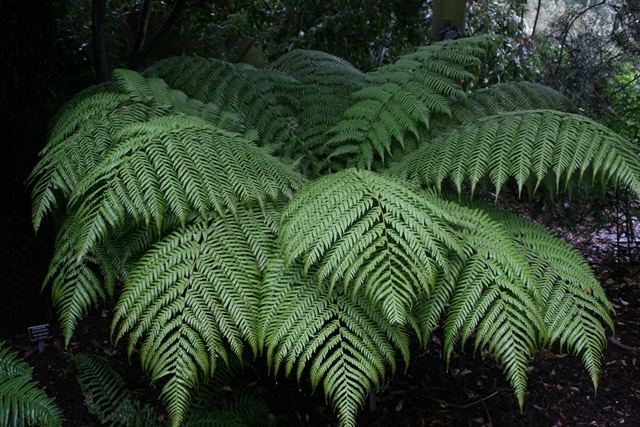
Grow Ferns in Your Summer Garden

At this time of year when the summer heat finds you seeking refuge in the shadier, cooler parts of the garden, make the experience even more inviting by planting shade-loving ferns. These lacy beauties may look delicate, but they are actually quite sturdy and surprisingly easy to grow. Plant a few varieties, and you can enjoy a sea of various eye-catching greens in your garden.

With so many fern choices, it’s easy to find some for your garden. They make good border plants and do well growing around the base of trees. Ferns come in a wide variety of sizes, from small, moss-like plants, to tall tree ferns, such as Cinnamon fern (Osmundastrum cinnamomeum), which reaches 4 feet tall in the garden. The sword fern (Polystichum munitum) has fronds that can grow up to 5 feet in length.
(Julie Bawden-Davis)
Some ferns also grow well indoors, including Boston and maidenhair fern. To have the best luck growing ferns in your outdoor or indoor garden, keep the following tips in mind. Provide shady conditions. Most ferns require low light. Plant ferns under a tree or in the shade of a structure, such as under a patio cover. Indoors grow ferns in bright, indirect light.
(Brandon Keim/FreeImages.com)
Plant in rich, well-draining soil. Ferns grow the best in humus-rich, moist soil that drains well, such as what is found on the forest floor. Plant in an area of the garden that offers these conditions, or amend with generous amounts of homemade or bagged compost. Grow indoor ferns in a mix of three parts organic potting soil to one part worm compost in a container with drainage holes. Keep moist. Water ferns regularly, so that the soil stays moist but not soggy. To retain soil moisture and keep fern roots cool, add a 2-inch layer of shredded bark to the area surrounding the plant. Water the ground thoroughly before applying the mulch and then water again once the mulch is applied, which will seal in moisture. Indoor ferns can also be mulched.
(John Evans/FreeImages.com)
Feed occasionally. Ferns aren’t heavy feeders but do respond well to a fertilizing once in spring and again in mid-summer. Apply an organic, well-balanced fertilizer. Provide extra humidity indoors. Most ferns thrive in humidity, which can be in short supply indoors—especially if the home is air-conditioned or heated. Ferns not receiving sufficient humidity in the indoor garden will experience dry, brown leaf tips and edges. Increase humidity for ferns by grouping plants, which each transpire and release moisture into the air. Misting daily and placing ferns over humidity trays also helps raise the moisture level surrounding the plants. Julie Bawden-Davis is a garden writer and master gardener, who since 1985 has written for publications such as The American Gardener, Organic Gardening, Wildflower, Better Homes and Gardens and The Los Angeles Times. She is the author of seven books, including Reader’s Digest Flower GardeningFairy GardeningThe Strawberry Story, and Indoor Gardening the Organic Way, and is the founder of HealthyHouseplants.com.

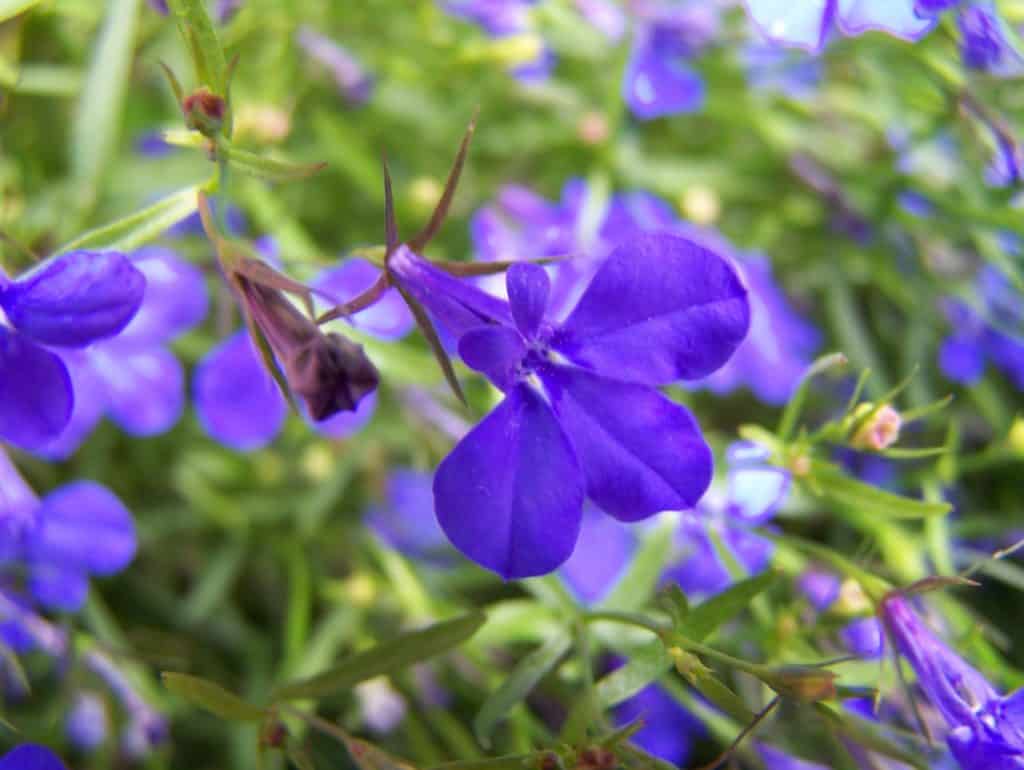
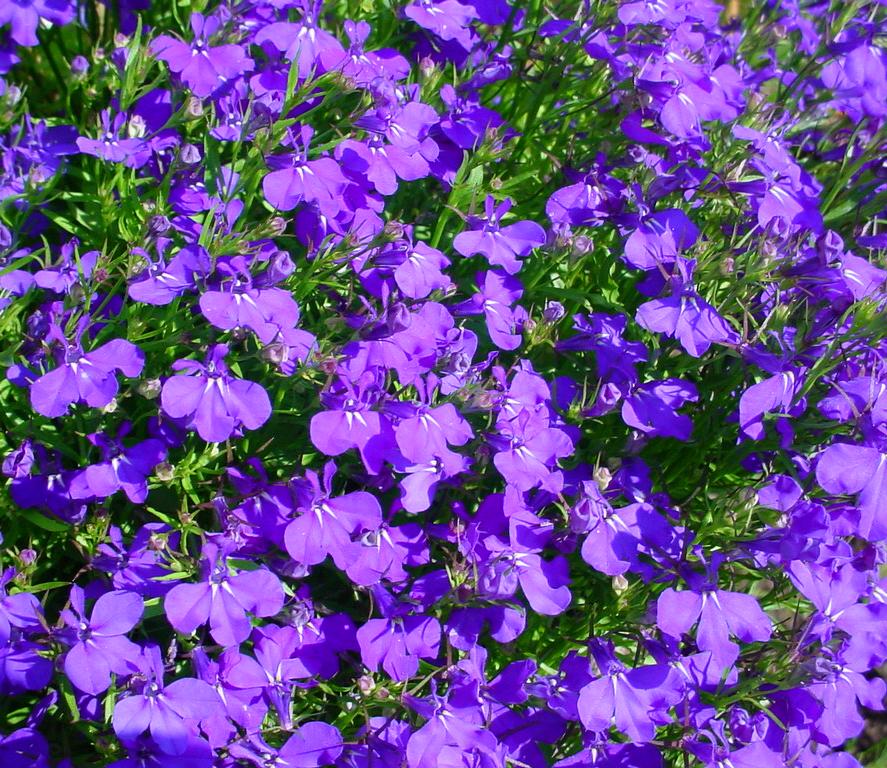
Grow Lobelia in Your Summer Garden

Interested in growing a flower that looks dainty and elegant, yet is an easy-to-maintain repeat bloomer? Try growing lobelia in your summer garden. These carefree flowering plants remain covered with eye-catching blooms throughout the summer months, and even into the fall. Flower colors are brilliant, coming in stunning violet-blue, as well as yellow, white, red and pink.

Featuring a charming cascading habit, lobelia makes an excellent choice for window boxes, raised beds, hanging baskets and containers. It also does well as a ground cover. Even better, lobelia tends to be deer resistant, and the flowers attract butterflies and hummingbirds. For the best of luck growing lobelia, keep these cultivation tips in mind. Plant in full sun to partial shade. Locate lobelia in an area that gets five or more hours of sunlight each day. The plant will bloom in partial shade. The best part-sun situation for lobelia is morning sun and afternoon shade.
(FreeImages.com/Simon Coomber)
Ensure good drainage. Like many plants, lobelia doesn’t do well in soggy soil. Prior to planting, check that the planting area drains well. If water drains slowly, amend the area with homemade or bagged compost and recheck the drainage. Avoid drainage issues by planting in containers with high-quality, organic potting soil. Water regularly. Lobelia requires consistent soil moisture for prolific blooms. Water the plants regularly in the absence of rainfall, so that the soil is moist but not soggy. To help keep the soil surrounding lobelia consistently moist, mulch with a 2-inch layer of ground bark or leaf mold.
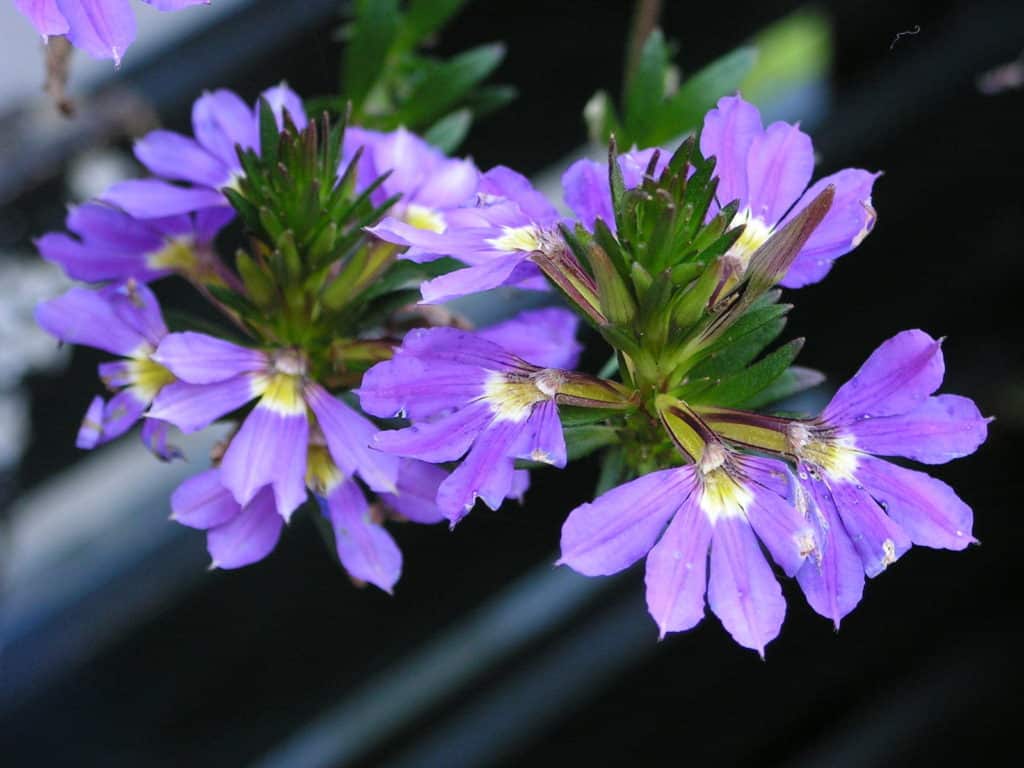
(FreeImages.com/Jean-Pierre Cremers)
Prune occasionally. To have the most blooms, it’s necessary to pinch or prune lobelia back to keep it bushy, which will lead to continual flowering. Once flowers fade, prune them off and new buds will appear. Fertilize monthly. Feed lobelia on a regular basis with an organic fertilizer designed for flowering plants. Apply monthly from spring through early fall. Julie Bawden-Davis is a garden writer and master gardener, who since 1985 has written for publications such as The American Gardener, Organic Gardening, Wildflower, Better Homes and Gardens and The Los Angeles Times. She is the author of seven books, including Reader’s Digest Flower GardeningFairy GardeningThe Strawberry Story, and Indoor Gardening the Organic Way, and is the founder of HealthyHouseplants.com.

Celebrate Pollinator Week by Gardening for Monarch Butterflies

It’s Pollinator Week (June 20-26). Time to celebrate the little creatures that ensure our crops produce fruits and veggies. A good way to do this is to preserve endangered pollinators like monarchs, whose populations have dipped over the last two decades.

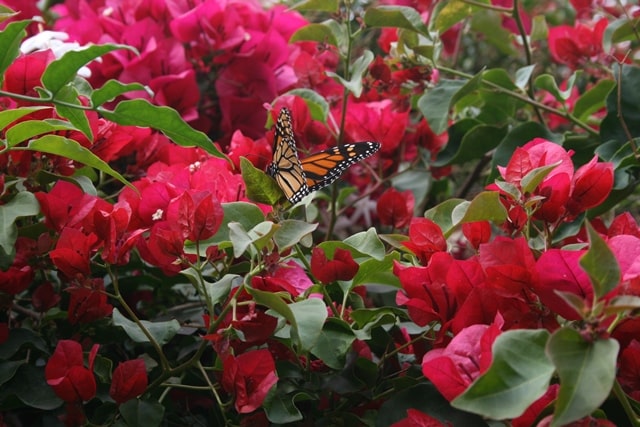
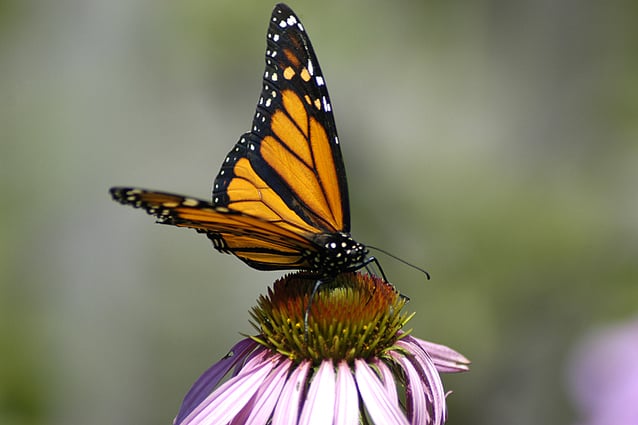
With their intricately designed orange and black wings, these lovely creatures light up the backyard as they flit about. But don’t let their delicate features fool you. These are actually sturdy winged insects that migrate an astounding 1,200 to 2,500 miles. This migration occurs in autumn when they fly to Mexico to overwinter and again in spring when they return north to reproduce. They are able to find their way thanks to an internal GPS of sorts that points them in the right direction. You can help preserve monarchs and ensure that we continue to enjoy them in nature and our gardens by keeping a few tips in mind. Plant Milkweed (Asclepias species) for Monarchs Monarch adults only lay their eggs on milkweed (Asclepias), because their resulting caterpillars will only eat milkweed. Milkweed is easy to grow in the garden and comes in orange, pink, purple, yellow and white. Many species reseed readily in the garden, but this is a good thing, because the more milkweed, the more monarchs gracing your garden. Besides being tasty to caterpillars, milkweed helps the insects ward off predators. It turns out that milkweeds contain glycoside toxins. These are harmless to the monarchs, but make the insects poisonous to predators in the caterpillar and adult butterfly stage.
Monarch on Cone Flower (Joe Kucharski, freeimages.com)
Add Nectar Plants to the Mix
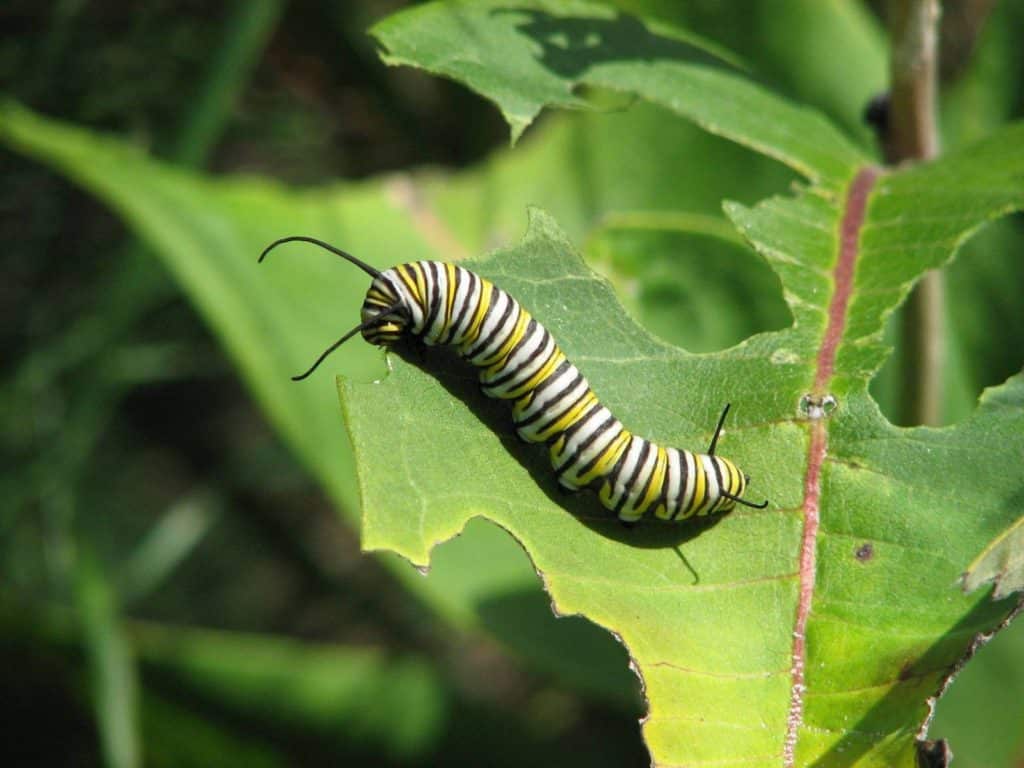
Adult monarch butterflies like to dine on a wide variety of nectar flowering plants. Add a wide range of blooming plants to your garden, including butterfly bush (Buddleia), Echinacea, Mexican flame vine, orange cosmos (Cosmos sulphureus) Mexican sunflower (Tithonia), sunflower, azalea, bee balm, echium, liatris, Mexican bush sage (Salvia leucantha) Verbena bonariensis, some pentas, allium, goldenrod, rudbeckia, lantana and zinnia. Protect Monarch Caterpillars Familiarize yourself with the large caterpillars featuring black, yellow and white bands and black tentacles on their front and hind ends. These will undergo metamorphosis and become monarchs. This process starts when the adult monarch lays eggs on the milkweed, and the eggs hatch in about four days. The caterpillars then grow over a two-week period while feeding on the milkweed foliage. They then form a chrysalis, which is green with yellow spots. Two weeks later the adult monarch emerges from the chrysalis.
Monarch caterpillar (Rachel Kirk/freeimages.com)
Prevent killing monarch caterpillars and other beneficial insects in your garden by avoiding the use of pesticides. Instead of spraying, handpick harmful pests like Japanese beetles and tomato hornworms, and spray aphids with a steady stream of water. If you want monarchs in your garden, you’ll need to tolerate feeding damage on your milkweed foliage. Know that the more bites you see, the more butterflies you’ll be able to enjoy. Congratulate Yourself When you see monarchs flying around your garden, pat yourself on the back. Not only do you get a private show of these magnificent winged beauties, you can congratulate yourself for doing your part to protect our precious pollinators. Julie Bawden-Davis is a garden writer and master gardener, who since 1985 has written for publications such as Organic Gardening, Wildflower, Better Homes and Gardens and The Los Angeles Times. She is the author of seven books, including Reader’s Digest Flower GardeningFairy GardeningThe Strawberry Story, and Indoor Gardening the Organic Way, and is the founder of HealthyHouseplants.com.

Grow Campanula in Your Summer Garden

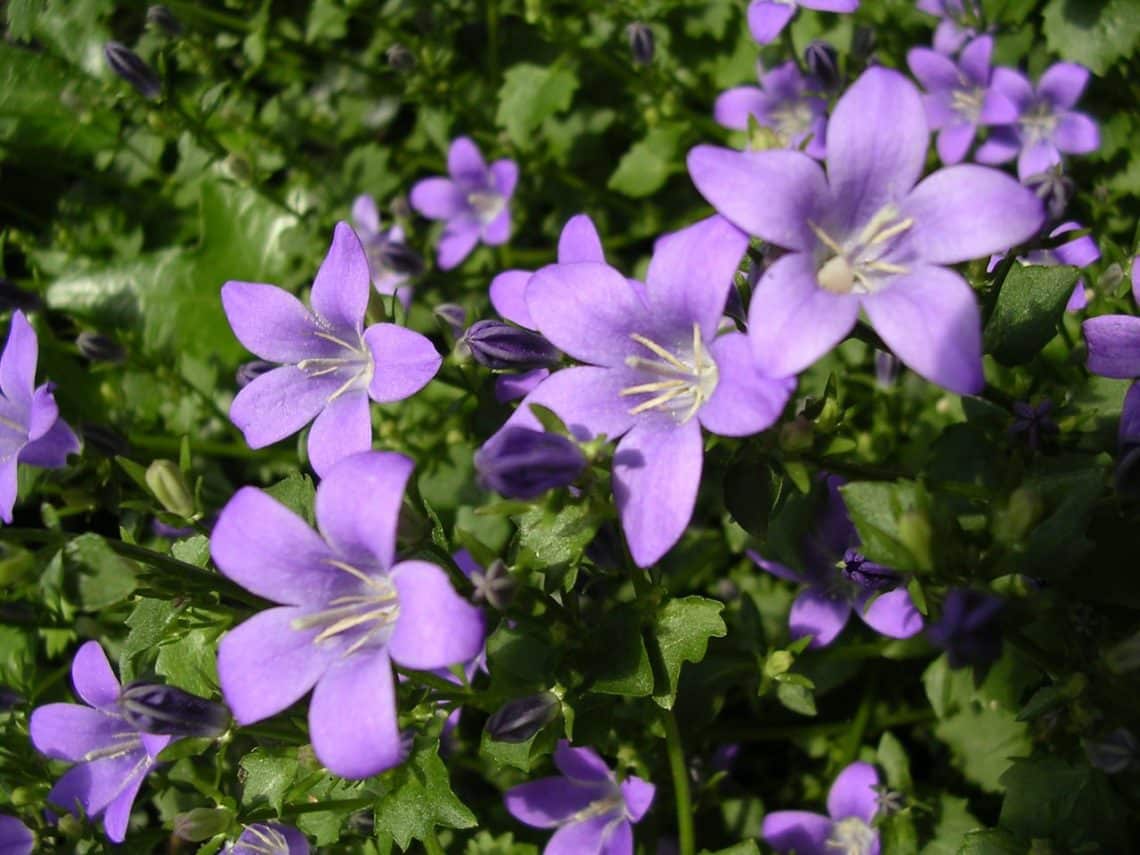
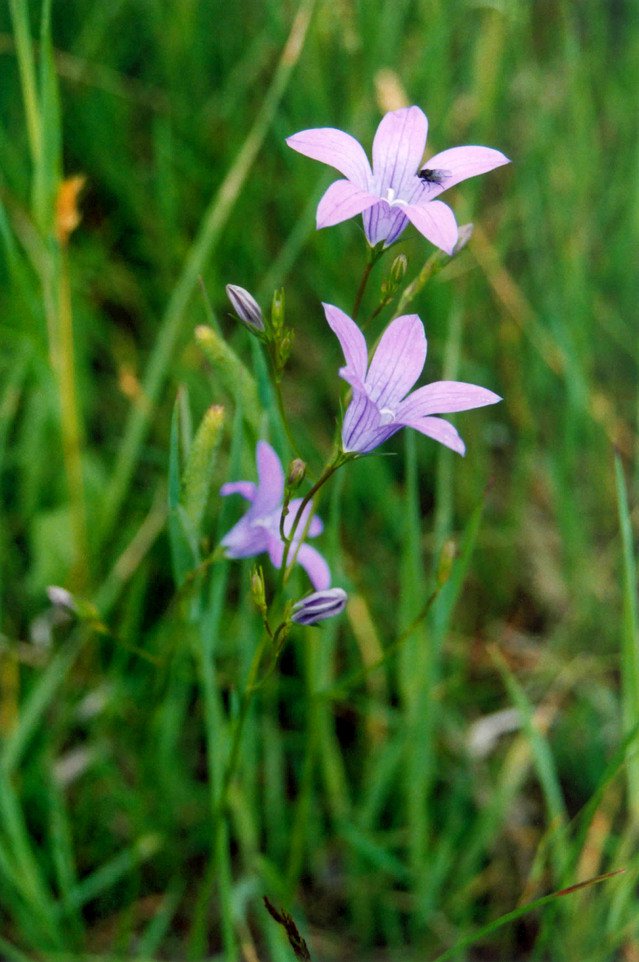
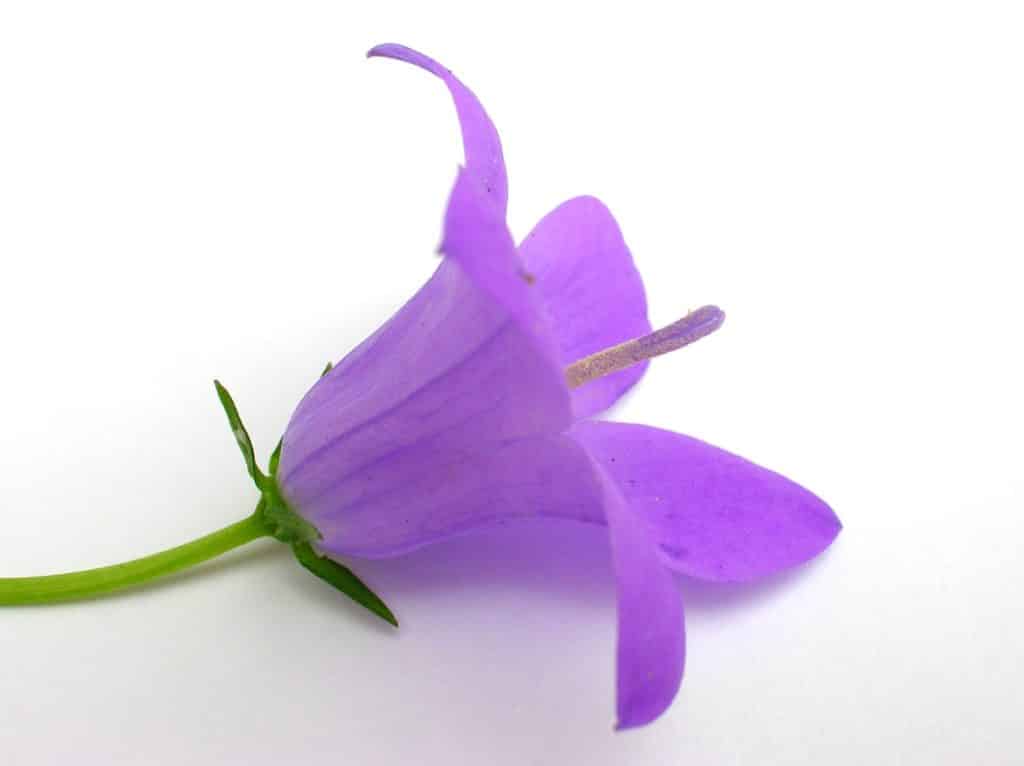
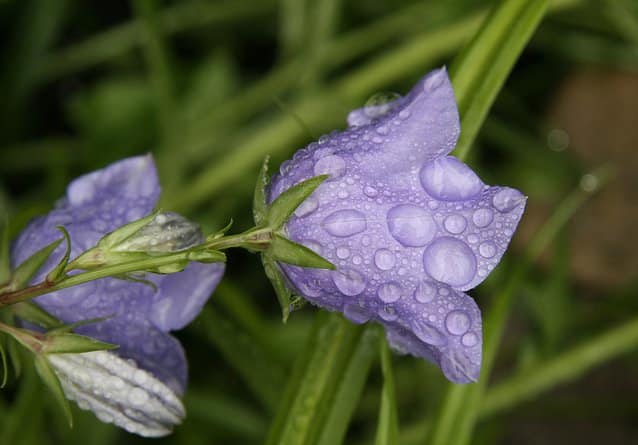
Also known as bellflower, campanula is an easy-to-grow flower that blooms throughout the summer months and into fall. The plant generally grows 1 to 3 feet high, and the flared, purple blossoms are easy to spot—even from a distance.

To have the best luck growing campanula, keep the following cultivation tips in mind. Plant in full sun. Campanula requires bright light to flower well. Locate in an area that receives a minimum of 6 to 8 hours of sun each day. Provide moist, well-drained soil. Bellflowers do best in soil that retains moisture yet drains quickly. Prior to planting, amend the soil with compost and pumice. After amending, check drainage by digging a 6- to 8-inch-deep hole and filling with water. It should drain completely within a couple of hours. If the area doesn’t drain quickly, amend the soil even more.
Campanula (Adriana Herbut/Freeimages.com)
Water regularly. Keep the soil surrounding campanula moist but not soggy. Water when the top inch of soil dries out. Avoid letting the soil dry out completely between waterings.
Mulch. Conserve soil moisture in the campanula bed and prevent weeds by mulching with a 2- to 3-inch layer of shredded bark. Doing so keeps the soil moist, preventing the plants from getting overheated or drying out, which helps preserve the blooms.
Campanula (Chrissi Nerantzi/freeimages.com)
Fertilize periodically. Campanula thrive if fed once in the early spring and again midsummer. Use an all-purpose, organic fertilizer for blooming plants, such as a 5-10-10 or a 10-20-20. Water the soil well after feeding. Prune often. To promote repeat blooms, prune off spent flowers with pruners or by pinching as soon as flowers fade.
Campanula (Gerla Brakkee/Freeimages.com)
Divide and transplant. Every two to four years, when campanula plantings become crowded, dig up and divide the flowers and replant. This is best done in early spring. Watch out for pests and disease. Snails and slugs will quickly devour campanula. Remove and destroy the pests when you see them. Avoid overhead watering, as the excess moisture on the foliage can attract these invaders. The disease powdery mildew can also be a problem for campanula. The condition causes a white coating on leaves and stems, as well as wilting and flower and foliage loss. Prevent mildew by planting in an area of the garden that receives good air good air circulation. Julie Bawden-Davis is a garden writer and master gardener, who since 1985 has written for publications such as Organic Gardening, The American Gardener, Wildflower, Better Homes and Gardens and The Los Angeles Times. She is the author of seven books, including Reader’s Digest Flower Gardening, Fairy GardeningThe Strawberry Story Series, and Indoor Gardening the Organic Way, and is the founder of HealthyHouseplants.com.

Grow Bee Balm in Your Summer Garden

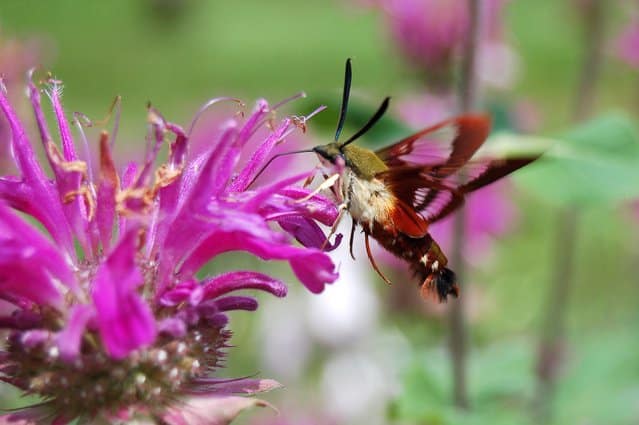
Light up your summer garden and keep the bees, butterflies and hummingbirds happy by planting bee balm. This aptly named perennial comes in pink, red and white flower colors. The plant blooms throughout the warm season, offering its nectar up to winged visitors all summer long.

Depending on the variety, bee balm grows 2 to 4 feet tall. Some varieties thrive in wet soil, while others do well in average garden soil. Also known as horsemint, wild bergamot and Oswego tea, bee balm makes a refreshing minty beverage. Add the fresh flowers to fruit or green salads or use as a garnish on cakes. Dried leaves and flowers can also be used in potpourri and sachets. To have luck growing bee balm in your summer garden, keep the following growing tips in mind. Plant in full sun. Bee balm flowers the most profusely if the plant gets a lot of bright light. To preserve flowers in the south, southwest or west, plant in an area that gets some afternoon shade. Space plants 18 to 24 inches apart.
Amend the soil. Prior to planting, add compost and a well-balanced organic fertilizer designed for blooming plants to the soil. Bee balm requires soil conditions on the acidic side, with a pH of 6-6.7, so if you live in an area with alkaline soil, such as the west, amend with soil sulfur to lower the pH. Water regularly. Bee balm will tolerate drought, but does best if you keep the soil moist, but not soggy. Water when the top one to two inches of soil has dried out. For varieties that thrive in wet soil, make sure to keep the plant constantly moist. Conserve moisture and discourage weeds by mulching with a 2-inch layer of shredded bark.
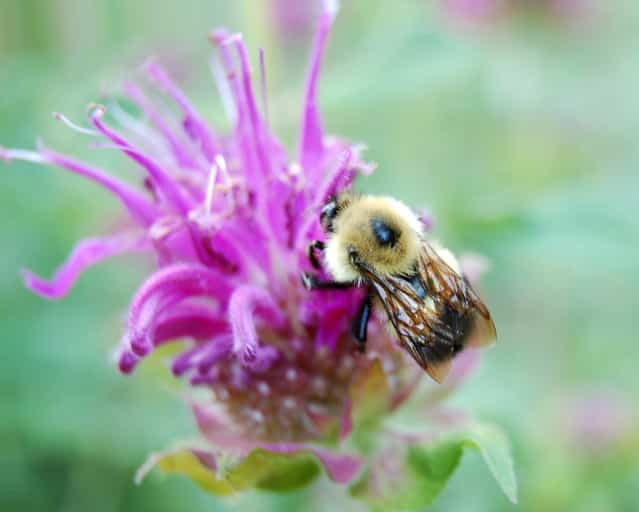
A bumblebee on a bee balm blossom. (Julia Freeman-Woolpert/FreeImages.com)
Prune plants two or three times during the growing season to keep them growing bushy and full. In the late fall, cut bee balm back to within 5 to 6 inches from the ground. New growth will appear the following spring. Every three to four years, dig up the plants and divide them in the late winter or early spring. Harvest and Storage. Cut bee balm flowers in the morning after the dew has dried and before the sun heats them up. The blooms last several days in water, or dry the flowers by hanging them upside down in a cool, dry place out of direct sunlight. Pick flowers for drying before they open. Watch for powdery mildew. To avoid this fungal disease, plant in an area that receives good air circulation and don’t overhead water. Help prevent the condition from continuing from year to year by cleaning up the planting bed in the fall. Remove any fallen foliage, stems or old mulch. Julie Bawden-Davis is a garden writer and master gardener, who since 1985 has written for publications such as Organic Gardening, The American Gardener, Wildflower, Better Homes and Gardens and The Los Angeles Times. She is the author of seven books, including Reader’s Digest Flower Gardening, Fairy GardeningThe Strawberry Story Series, and Indoor Gardening the Organic Way, and is the founder of HealthyHouseplants.com.

Feed the Birds in Your Summer Garden

Wild backyard birds live demanding lives. During the warm months of the year, they perform a variety of tasks critical to their survival, all while recovering from the fatigue and stress of their long migration north.

“Birds are constantly on the move,” says Elaine Cole, president and owner of Cole’s Wild Bird Products Co. “ A lot of energy is spent defending a territory, selecting a mate, and then hatching and raising the chicks before it’s time to migrate again. Just like for people, convenient food can be a life saver for birds. Less energy spent hunting means more energy for raising healthy babies.”
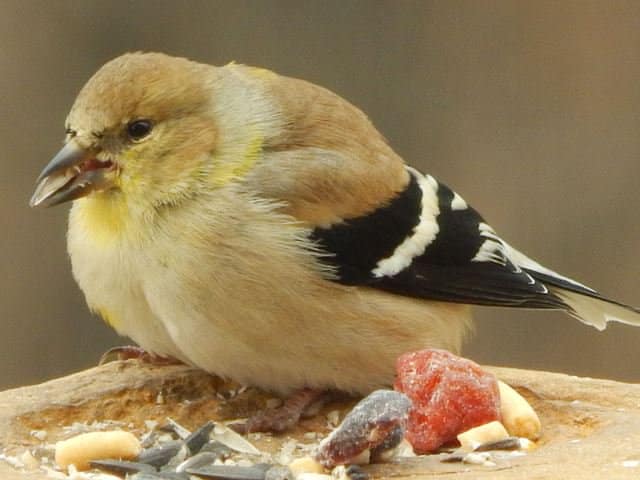
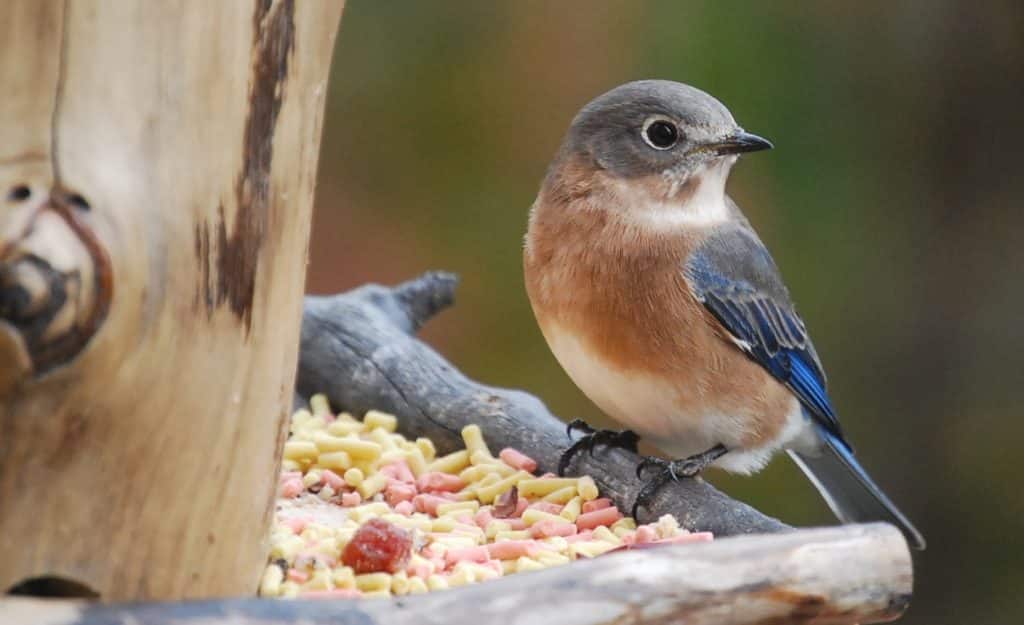
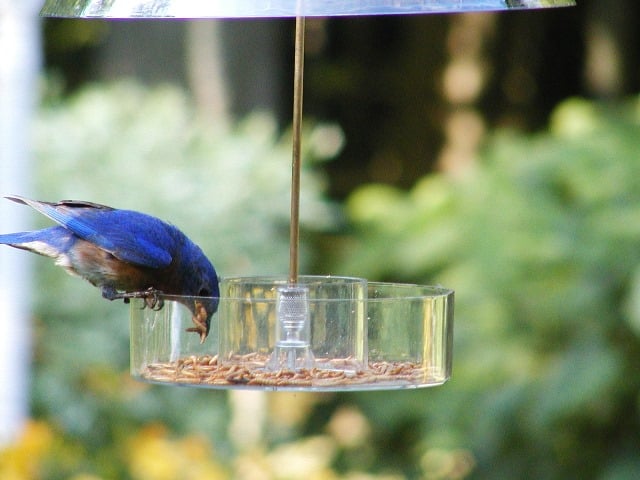
Bluebird (Cole’s Wild Bird Products)
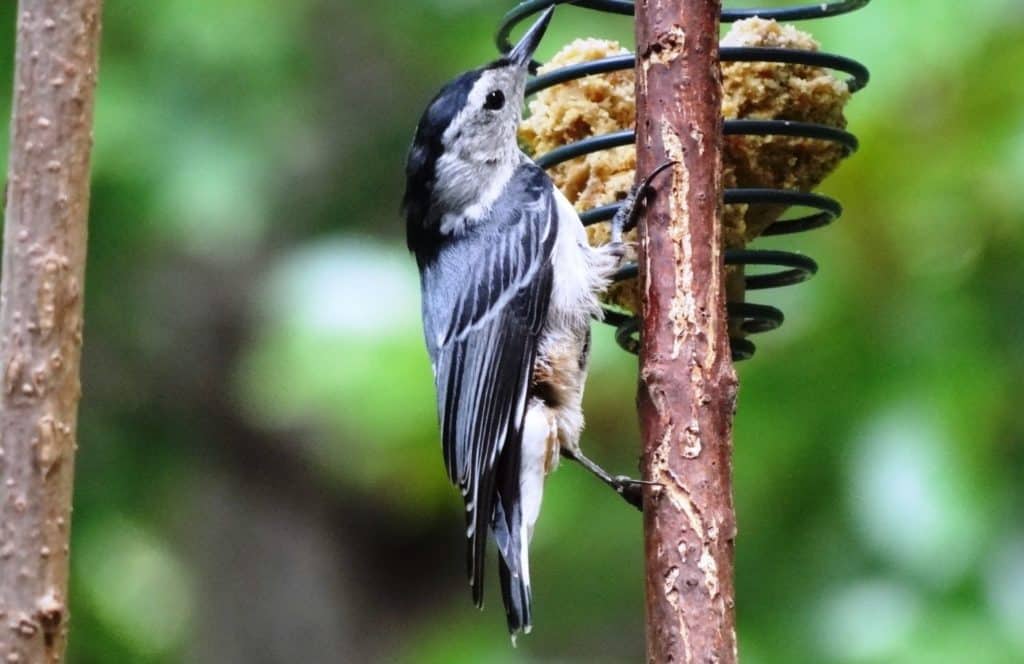
What and how you feed the birds in your garden will determine if they stay to dine and thrive. But before your feathered friends show up in your yard, make sure your “accommodations are inviting,” says Cole. “Check that all baths and birdhouses are clean and in good repair. A quick rinsing with a mild bleach and warm water mixture or detergent gets rid of dirt, grime and mold.”
(Cole’s Wild Bird Products)
Also pay special attention to the menu in your yard. “By serving wild birds their favorite foods throughout the summer, you boost and build their stamina and reserves for the long winter ahead,” says Cole, who offers these feeding tips. What to Feed Wild Birds “Serve birds quick, easy food with the most nutrient/energy impact, such as suet kibbles, dried mealworms, raw peanuts, sunflower meats and fruit.” Traditionally used for winter feeding, suet has come a long way and is not just for winter anymore, says Cole. “No-melt suet formulas make it the perfect protein for warm weather feeding, which is ideal for adult birds that bring their babies this nutritious food source as an easy, high energy meal.” Mealworms are another nutritious bird food. “High in protein, fat and potassium, mealworms help birds maintain energy,” says Cole. “They’re favorites for species like bluebirds, flickers, woodpeckers, nuthatches, siskins and chickadees, and are a perfect food source for newborn nestlings. Handling live mealworms is probably not a welcome bird feeding experience, even for the most committed bird enthusiasts, which makes freeze-dried mealworms ideal. They have all of the nutritional benefits of fresh ones and are much easier to store and serve.”
(Cole’s Wild Bird Products)
For seed-loving birds, serve up a blend that contains nuts, sunflower meats and dried fruits like apple, blueberry and cherry. Combine suet, mealworms and fruit, nuts and seeds, and you’ll have a complete mix that attracts a wide variety of seed-eating and non-seed eating birds like warblers, bluebirds, kinglets, flickers and robins, which are all birds you don’t typically see at a feeder, says Cole.
Kalos Photography (Cole’s Wild Bird Products)
Further ensure that the birds dine at your house by growing plants that attract them. Good choices include honeysuckle, sunflower, Virginia creeper, oak and dogwood trees, cardinal flower and Echinacea. Consider Your Bird Feeder Location If you aren’t getting a lot of birds to your backyard and are serving up quality food, the bird feeder location is most likely the culprit, says Cole. “If a bird doesn’t feel safe eating at your feeder, then it simply won’t eat there. Don’t put feeders in wide open spaces. Birds prefer feeders to be near a bush or tree line so they have a quick escape if a hawk or another predator swoops in.” Attaching a tray to the bottom of your tubular feeder also increases the variety of birds that can come to your feeder by providing a spot for larger birds (cardinal, robins, etc.) to perch and eat. The perches on standard tubular feeders are not big enough to allow the larger birds to feed. Once you’ve set your birds up, “have fun and enjoy the view,” says Cole. “Watching birds lowers your blood pressure and helps keep all of life’s pressures in perspective.” Julie Bawden-Davis is a garden writer and master gardener, who since 1985 has written for publications such as Organic Gardening, The American Gardener, Wildflower, Better Homes and Gardens and The Los Angeles Times. She is the author of seven books, including Reader’s Digest Flower Gardening, Fairy GardeningThe Strawberry Story Series, and Indoor Gardening the Organic Way, and is the founder of HealthyHouseplants.com.

Grow Echinacea in Your Spring Garden

When it comes to growing butterfly magnet wildflowers, the cream of the crop, so to speak, is the coneflower. Botanically known as Echinacea, this easy-to-grow perennial lights up the garden from late spring into early fall, all the while attracting a wide assortment of delicate winged beauties.

Purple coneflower (Echinacea purpurea) is one of the most common, although you’ll also find pink and even yellow coneflowers. The plants have daisy-like flower petals that surround a prickly cone-shaped seed head that butterflies and bees use as a landing pad when foraging. The plant is a perennial that goes dormant in the cold months and comes back in the spring. This attractive wildflower grows up to 4 feet tall and 2 feet wide. It is heat and drought tolerant, making it the perfect choice for just about any garden situation.
(Scascha/FreeImages.com)
Coneflower Medicinal Uses Originally discovered by the Northern Native Americans, Echinacea has been used for centuries as a medicinal plant that is said to boost the immune system and relieve cold and flu symptoms. Alternative health products using Echinacea are common. You’ll find Echinacea in a variety of forms, including pills, ointments, tinctures and extracts. To have luck growing coneflower in your spring garden, keep the following cultivation tips in mind.
Locate in a full- to part-sun location with good air circulation. The sunnier the planting area, the more flowers the plant will produce and the more butterfly visitors you’ll have in your garden. (Butterflies require warm conditions in order to fly.) Plant in well-draining soil. Though coneflowers are easy to grow and will survive in a wide variety of soils, they are wildflowers and do best in a well-draining soil. If the planting area contains clay soil, amend with compost and perlite or pumice prior to planting.
(Julie Bawden-Davis)
Water regularly. Echinacea grows best when given consistent moisture, but they will tolerate drought, as they have deep taproots that allow them to store water when things are dry. Water when the top inch of soil has dried out. Feed occasionally. Like many wildflowers, Echinacea aren’t heavy feeders. Fertilize once in the spring when the plant comes out of dormancy and again midsummer with an all-purpose, organic fertilizer, such as a 10-15-15. Cut and enjoy flowers. Coneflowers make a striking addition to any floral arrangement. They last a long time in water, or you can preserve them indefinitely by drying. Hang the flowers upside down by the stem in a cool, dry location until they are completely moisture-free. Julie Bawden-Davis is a garden writer and master gardener, who since 1985 has written for publications such as Organic Gardening, The American Gardener, Wildflower, Better Homes and Gardens and The Los Angeles Times. She is the author of seven books, including Reader’s Digest Flower Gardening, Fairy GardeningThe Strawberry Story Series, and Indoor Gardening the Organic Way, and is the founder of HealthyHouseplants.com.

Grow Blackeyed Susan in Your Spring Garden

The aptly named blackeyed Susan is an easy-to-grow perennial that lights up the garden for months at a time. The daisy-like flowers feature dark purple or black centers that make a striking contrast with the bright yellow petals. Blackeyed Susan is a member of the sunflower family, which it also resembles.

Botanically known as Rudbeckia hirta, these carefree plants are versatile, growing in borders, fields and even in containers. They make long-lasting cut flowers and attract a wide variety of wildlife, including butterflies, bees and hummingbirds. Their blooming period is long, generally lasting from late May through October. Now is the perfect time to plant blackeyed Susan. Keep the following growing tips in mind. Plant in full sun. Blackeyed Susan grows best in a full sun location, although it will flower in partial sun. The plant does best in a rich, well-draining soil but can tolerate less than ideal soil conditions. The richer the soil the more likely the plant will re-seed and produce new plants.
(Freeimages.com/Gillian Townsend)
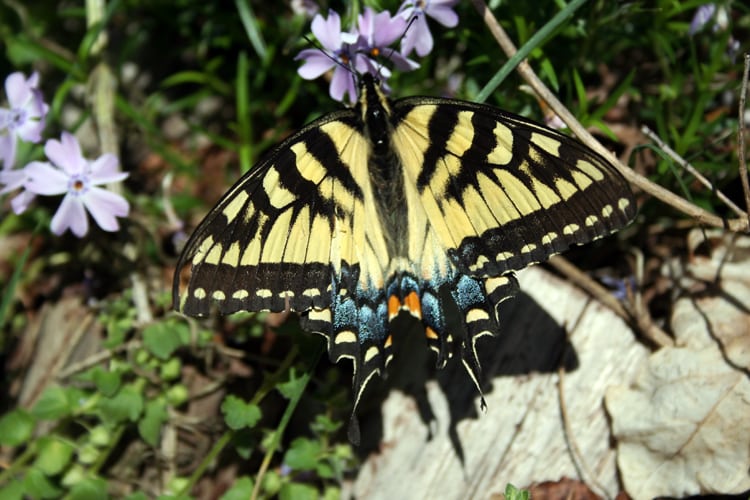
Provide sufficient growing space. When determining the ideal spacing for blackeyed Susan, consider that the plant grows 1 to 3 feet tall or more and spreads 12 to 18 inches.
Water regularly. Blackeyed Susan can tolerate some dry conditions but does best if you keep the soil moist, but not soggy. Water when the top two inches of soil has dried out. Prune often. Deadhead faded flowers, which will initiate re-blooming. This also prevents the plant from reseeding, if this is something you want to discourage.
(Freeimages.com/Mike Thorn)
Divide periodically. Every three to four years, invigorate the planting bed by digging up and dividing the plants in the early spring. Cut each plant into two or three sections and replant. Fertilize occasionally. Blackeyed Susans aren’t heavy feeders. Apply an organic, well-balanced fertilizer once in late spring and again in midsummer. Julie Bawden-Davis is a garden writer and master gardener, who since 1985 has written for publications such as Organic Gardening, The American Gardener, Wildflower, Better Homes and Gardens and The Los Angeles Times. She is the author of seven books, including Reader’s Digest Flower Gardening, Fairy GardeningThe Strawberry Story Series, and Indoor Gardening the Organic Way, and is the founder of HealthyHouseplants.com.

Grow ‘Meatball’ Eggplant in Your Spring Garden

Last summer, I had the opportunity to attend Burpee Fest 2015. While the fun and educational event featured touring Burpee’s historic Fordhook Farm and meeting other garden communicators, one of the absolute highlights of the trip was sampling a dish made with their all new ‘Meatball’ eggplant.

It turns out that ‘Meatball’ isn’t just an enticing name, but actually lives up to its reputation. The unique eggplant allows you to make vegetarian dishes that really do taste like real meat. “ ‘Meatball’ is so named, because it’s a medium, globe- or ball-shaped fruit that possesses quintessentially ‘meaty’ flesh,” says George Ball, who heads Pennsylvania-based W. Atlee Burpee Company. “You can use this eggplant to prepare any dish that involves meat, as well as actual meatballs. It makes the best hamburger in the world. Not a day goes by that I don’t dream about my first eggplant ‘Meatball’ hamburger, which we have affectionately named The Burpee Burger.” To Ball, the flavor of ‘Meatball’ is superior to real meat. “I don’t have fat filling my mouth, and there is nothing ‘dead’ about it,” he says. “In the hands of merely a good cook (nothing fancy needed) ‘Meatball’ can produce a veritable steak house platter.”
‘Meatball’ Eggplant (Burpee)
All New Eggplant ‘Meatball’ overcomes three common complaints about eggplant, which are seeds with a bitter aftertaste, excess water in the fruit and flesh that browns quickly when exposed to air. Burpee has searched for an eggplant variety without these attributes that could serve as a viable meat substitute for 20 years. “The qualities that raise ‘Meatball’ to the highest level I have ever known of eggplants are the extraordinary succulence and creaminess of its flesh, resulting in a heavy, meaty fruit, and its sweetness, which is due to its relative seedless-ness,” says Ball, who has tested every eggplant imaginable. ‘Meatball’ was discovered in one of Burpee’s partner’s fields. “We tested it at Fordhook Farm for the past three years,” says Ball. “It’s so unlike a normal Turkish eggplant that one of our gardeners tried eating it raw and found that it has a faintly sweet taste. This is entirely different from a normal eggplant, which is not appetizing at all uncooked.” In addition to its meaty flavor, Ball was thrilled to finally find an eggplant that would appeal to gardeners. “We’ve been trying to increase the gardening of eggplants by American vegetable gardeners for many years,” he says. “Personally, I launched ‘Purple Blush,’ as well as ‘Purple Rain’ back in the early 90s. I made a ceviche with ‘Purple Blush’ that stumped Martha Stewart. She never figured out what it was she was eating when I prepared it during her first visit to my farm. However, 25 years later, people still have a hard time preparing as well as eating eggplants in general, that the market for eggplant seeds and plants has been very small, until ‘Meatball.’” Since its introduction this season, ‘Meatball’ has become quite popular. Burpee offers seeds for the eggplant, as well as plants. For short-season climates and first-time eggplant growers, plants are your best bet this year. You’ll have fully ripe ‘Meatball’ eggplants two months after planting transplants.
‘Meatball’ Meatballs (Burpee)
Eggplant Planting Advice Eggplants are among the easiest of veggie plants to grow. Once you receive your plants, wait three to four days for them to acclimate to outdoor conditions. Then transplant in the ground, a raised bed or a container in a full-sun, warm location. If growing more than one eggplant, space them 24 to 36 inches apart. Provide support and encourage airflow by staking or caging the plant. Keep eggplant watered with 1 to 2 inches of water during the growing season. Avoid overwatering. Feed with a well-balanced, organic fertilizer when flowers first appear and again when fruiting occurs.
When cooking with ‘Meatball’ eggplant, use spices, including garlic salt, and sautéed onions, advises Ball. “This variety has none of the problems of normal eggplant, so it’s not necessary to soak the flesh or extract water with salting,” he says. “This is a completely new eggplant.” Here is Burpee’s recipe for the ‘Meatball’ burger. The website has additional recipes for using your eggplant harvest. The Burpee Burger Ingredients 2 large eggs 1 cup unseasoned breadcrumbs 1/2 cup loosely packed Italian parsley 1 clove garlic 2 tablespoons extra-virgin olive oil 2 medium-sized Burpee ‘Meatball’ eggplants Salt and pepper to taste Directions
  1. Mix first two ingredients in a bowl; set aside.
  2. Mince parsley leaves and garlic clove. Add the olive oil and combine with egg and breadcrumb mixture.
  3. Peel ‘Meatball’ eggplants and grate them with the largest holes of a hand grater on a paper towel to absorb excess moisture. Add the eggplant to the mixture. Last, season with salt and pepper. You will have a soft mixture. If it is too watery, add a tablespoon of all-purpose flour.
  4. Form the mixture into patties and cook in a heavy pan in a small amount of cooking oil. (Due to the soft texture of the mixture, you will not be able to cook this veggie burger on a grill.)
  5. Cook some thick slices of white onion at the same time, in the same pan.
  6. Serve with cooked sliced onion, fresh-sliced tomato and freshly-picked lettuce leaves.
Serves 4-5.
‘Meatball’ Burger (Burpee)
Julie Bawden-Davis is a garden writer and master gardener, who since 1985 has written for publications such as Organic Gardening, The American Gardener, Wildflower, Better Homes and Gardens and The Los Angeles Times. She is the author of seven books, including Reader’s Digest Flower Gardening, Fairy GardeningThe Strawberry Story Series, and Indoor Gardening the Organic Way, and is the founder of HealthyHouseplants.com.

Grow Pretty Phlox in Your Spring Garden

If you want an eye-catching flowering plant in your garden that blooms for months at a time, plant phlox. This perky, long-lived perennial reliably lights up the summer garden. The plant’s flowers come in a wide range of colors, including white, red, pink, purple and coral. Many phlox are also fragrant, with the scent being strongest at night.

Phlox grows 2 to 4 feet tall and doesn’t require staking. The flowers attract butterflies and hummingbirds. When soil and location conditions are ideal, phlox will re-seed. To have luck growing phlox in your garden, keep the following growing tips in mind.
(Palmer W. Cook/Freeimages.com)
Provide full sun to part shade. Phlox do best with at least a half day of sun—with morning sun being best. Position them in a part of the garden where they receive bright light and good air circulation. Plant in fertile soil. Phlox requires a rich soil that retains moisture yet drains well. Prior to planting, amend with homemade or bagged compost, including vermicompost. This will feed the soil and create airspace, which all plants require for healthy growth.
(Paul Kempin/Freeimages.com)
Water regularly. Keep phlox plants moist but not soggy. Water every two or three days in the absence of rainfall. Avoid splashing water on foliage, as this can lead to fungal problems. If you will be doing overhead watering, do so early in the day so the leaves have a chance to dry off. Fertilize often. Phlox do well when given regular doses of organic fertilizer designed for flowering plants, such as a 10-20-20. Feed the plants monthly during the growing season. When planting, use a starter fertilizer for flowering plants.
(Drouu/Freeimages.com)
Trim periodically. After flowering, cut the phlox back by one-third, which will promote quicker re-flowering. If the plants are looking bedraggled in late winter, cut them back at that time as well. Propagate. Phlox can be divided in autumn or early spring. Dig the plants from the soil, making sure to preserve the roots. Use a sharp knife to cut through the center of each plant and through the roots. Replant each half. Repeat this process every two to three years, which will lead to healthier plants. Julie Bawden-Davis is a garden writer and master gardener, who since 1985 has written for publications such as Organic Gardening, The American Gardener, Wildflower, Better Homes and Gardens and The Los Angeles Times. She is the author of seven books, including Reader’s Digest Flower Gardening, Fairy GardeningThe Strawberry Story Series, and Indoor Gardening the Organic Way, and is the founder of HealthyHouseplants.com.