Portfolio Categories: AMERICAN EXPRESS BUSINESS TRENDS AND INSIGHTS

How to hire a superstar sales team on a commission basis

You can’t do it all yourself, which is why it might be time to hire a sales team. But what’s the most cost-effective way to attract great salespeople?
Writer/Author/Publisher/Speaker, Garden Guides Press
MARCH 14, 2014If you take a close look at the reason why your business isn’t growing as much as you’d like, you’ll likely find that sales is the missing ingredient. Since cloning yourself to increase sales is impossible, it’s necessary to hire a sales force if you want to spread the word about your business. OPEN Forum community member Wayne Cichanski, cofounder and managing partner of Digital Blitz SEO, recently asked: “I am looking to grow our sales staff and haven’t had much luck building a sales team. Are there still people out there who take on commission-based sales?”

Viable Sales Option

If your product is superior and your marketing materials and sales pitch are solid, qualified salespeople will want to work with you on a commission basis, says OPEN Forum community member Bob Nelson, president of POWER Retailing  . “Hungry salespeople will work for a performance-based fee, but your company must have a proven track record to show them,” he says. “It’s all about your integrity, products and history of sales.” When the stars align, commission-based sales are a win-win for you and the salesperson. You pay out your hard earned money only when a sale has been made, and the salesperson gets the opportunity to benefit financially from selling your high-quality, proven product.

Provide Training

In order to be successful, a commission-based sales strategy must provide thorough training to the salespeople, says OPEN Forum community member Marc R. Enriquez, founder of Resonant Advantage Marketing. Commission-based sales will work if “your company’s sales process is solid and you can train them to find and qualify leads and sell your services,” Enriquez says. The training should include a thorough review of your product or service, as well as an explanation of your customers and what influences them. Also include an overview of how your customers have purchased in the past.

How to Find Qualified Salespeople

Enriquez suggests advertising for commission-based salespeople anywhere you would post jobs, including online venues like Craigslist. When posting the position, “make your application process itself a test as to whether a person can follow directions,” Enriquez suggests. “Don’t make it as simple as allowing the applicant to reply to your Craigslist post. Those who do will immediately disqualify themselves. This saves you a lot of time in dealing with better quality candidates.”

Base Pay Versus Straight Commission

While straight commission is by far the least expensive option when it comes to hiring a salesperson, you may want to consider base pay plus commission or a bonus structure, says OPEN Forum community member Bennett Johnson, a small-business consultant, coach and founder of Arete Business Methods. “There is plenty of research that says a combination of base pay plus commission or a bonus structure is the most effective tool for motivating top sales team performance,” he says. Because a base pay guarantees the salesperson a salary, it may be easier to find someone to sell your product or service. As an employer, you can also set quotas that must be met in order for the salesperson to keep the job. You can also pay salaried employees less commission than non-salaried ones, but this is offset by the fact that you have the expense of an employee without the guarantee of any sales.

Encourage Commitment

Unless you have a lot of sales to be made, commission-based salespeople tend to work for other companies or even hold full-time jobs, and that can be problematic, says OPEN Forum community member Avi Cyperstein, who oversees public relations for LUX-HAB Services. “It is definitely very challenging to find the right candidate. I am currently looking for a few commission-based salespersons to promote our company that helps people who struggle with addiction to get placed into treatment facilities,” Cyperstein says. “Most of the staff we have right now on commission work part time, as they have other jobs. This means we become more of a ‘side thing,’ which isn’t that great for us.” Cyperstein thinks the solution to the non-commitment issue is to find salespeople who believe in their ability to produce, and he also thinks that small-business owners should offer additional opportunities to salespeople once their hard work pays off. Make signing on as your salesperson exponentially lucrative to potential commission-based salespeople. This is something that Cichanski plans on doing once he finds the right sales team. “I will pay my salespeople recurring commissions,” he says. “As long as clients remain customers, we will pay out commissions to salespeople each and every month on those same accounts.” Read more articles on sales. Photo: Thinkstock

The new breed of virtual assistant can help with just about anything

You have more than enough to do. Consider hiring a business-grade virtual assistant to help with anything from social media to Web development.
Writer/Author/Publisher/Speaker, Garden Guides Press
MARCH 12, 2014For years, Merilee Kern has used virtual assistants. The owner of the PR agency Kern Communications offloads a wide variety of tasks, freeing her up to concentrate on running and building her business. “Virtual assistants can be an invaluable asset to ease and expedite your professional life, and the availability of high-quality virtual assistants has increased,” Kern says. “You would be amazed at the caliber of talent in today’s VA pool.”

Business-Grade Virtual Assistants

It used to be that most virtual assistants were limited to basic administrative tasks like email management, database entry or research, but the new breed of virtual assistant is highly skilled, educated and equipped for even the most specialized tasks. “When I first looked into using virtual assistants, I expected to primarily find people with clerical skills, but I soon discovered college graduates able to do just about anything, including writing blog posts,” says Kelly Walsh, owner and president of the coaching and consulting companies One Smart Career and One Smart Life. “The range of skills you can find among virtual assistants is tremendous, and using them is something I now also suggest to my clients in order to accelerate business growth.” Small-business owners can get VA help with just about anything, agrees Sandra Lewis, founder of the virtual support company Worldwide 101. “Globalization and the resulting virtual work paradigm and the shift since the 2008 financial crisis to freelance/fractional work has made it easy to get skilled, reliable help—providing you hire a business-grade virtual assistant from a company that recruits and vets highly skilled VA’s.”

Armed With Advanced Skills

Skills typically covered by business-grade VAs include:
  • Any administrative tasks, including email management, scheduling, travel planning and bookkeeping
  • Customer service via email, live-chat and phone
  • E-commerce management, including online order processing, stock management and ordering, website product updates and refund processing
  • Social media and marketing (email newsletters, sales pages, blog posts)
  • Lead generation
  • Design (business cards, flyers, email templates, Web graphics)
  • Web development (anything from installing plugins to a complete site redesign and build)
  • Paralegal support
  • Research/data compiling, intelligence gathering, reports
  • Presentations using PowerPoint

Finding the Ideal VA

Locating the right VA for your business can be tricky, says business coach Suzanne Evans, author of The Way You Do Anything Is the Way You Do Everything: The Why of Why Your Business Isn’t Making More Money. She experienced exponential growth when she started delegating tasks to virtual assistants but notes that the selection process can be somewhat challenging. “The saturation of the VA market has made it more difficult to discern abilities and skill sets,” she says. “VAs are like many virtual services. They are unregulated, uncertified and vary vastly, which makes vetting and researching to match the right VA to your company the key to long-term success.” Consider the following tips when searching for a virtual assistant. Be realistic. “It is unlikely that you will find someone who can do everything, and if the person says he or she can, be cautious,” Lewis says. “Most VAs will have either an admin or a customer service specialty by default, and then some VAs have additional specialist skills like social media and marketing or design, or Web development. With a good quality VA company you can get a primary VA for your core tasks and then have additional team members available for occasional tasks like design or Web development, as well as backup members, in case a VA gets sick.” Look for a satisfaction guarantee. This indicates that the company stands behind the quality of its team and is concerned about reputation. Ask about the recruiting and vetting process. “Make sure you find a company that goes to great lengths to hire the best VAs,” Lewis says. “You need an assistant with a great attitude who cares about your business.” Look for a good match. Choose a company that makes the effort to really match you with the right VA. You want someone who not only possesses the skills you need, but a VA you can trust and with whom you can communicate and effectively delegate. Start small. “As a small-business owner, the bottom line is paramount, and your default is probably not to spend money,” Walsh says. “When budget is a concern, start with just three or four hours a week and see how it works. If it proves successful, add more hours.” Read more great articles on productivity. Photo: Thinkstock

How intuition can take your business to the next level

Do you dismiss intuition in favor of facts? If so, you could be hurting your business and stunting its potential growth.
Writer/Author/Publisher/Speaker, Garden Guides Press
MARCH 10, 2014Several years ago while driving in a snowstorm, Sean Castrina passed a rundown office building. On a hunch, he decided to turn his car around and take a closer look. “Something told me that buying the building would prove a game changer for my business, even though it would mean paying considerably more for office space,” says Castrina, a serial entrepreneur, business coach and author of 8 Unbreakable Rules to Business Start-Up Success. Castrina’s hunch paid off. The building ended up providing such great visibility that business increased exponentially. When it comes to making key decisions and implementing change, successful small-business owners know that analyzing the facts and figures can only take them so far. While face-value information does help, at the end of the day, they rely on their gut reactions to guide them.

A Leap of Faith

Talk to successful entrepreneurs, and you’ll hear many stories of inventions and discoveries and even whole companies born of intuitive leaps. Take for example small-business owner Tara Stoutenborough, who opened Strategies, A Marketing Communications Corporation in 1991 with her partner Linda White. “Guided by our intuition, we walked out the door of our former agency, set up an office with a relatively small investment and agreed we could only afford to work for three months for free, even though the rule of thumb is to expect no salary for nine months to a year,” she says. “The business came in, and three months later we paid ourselves a salary and never looked back.”

Sixth Sense: On Target, Yet Often Ignored

Despite the sixth sense often being accurate, many small-business owners discount instincts in favor of more concrete facts and figures. “We’ve been taught that if something can’t be supported by research, it must not be true,” Stoutenborough says. “Nonsense. Every day, I see programs and ideas ‘working’ before the statistics prove it or even when nothing can prove it. Good results often come from many nearly microscopic factors that measuring them accurately is virtually impossible.” Although Marcy Hogan has always used intuition in her personal life, it wasn’t until recently when she opened up her latest business that she began listening to her inner voice. “I thought that logic was more businesslike, and I was afraid that people wouldn’t take me seriously if I relied on my hunches,” Hogan says. “Then my husband, Brian, and I listened to our intuition and opened Send Out Cards, soon discovering that our hunch paid off.” Logical thought often trumps intuition in the business world, agrees David Wimer, a business advisor and author of INSIGHT: Business Advice in an Age of Complexity“The western culture tends to stress the ability to explain why we do everything we do,” he says. “We learn that the best (i.e., safest) choices are those that can be explained. We call this being ‘rational,’ and it breeds a fear of making a mistake and feeling foolish.” Analyzing and researching can take you a long way, but you ultimately must “go with your gut,” Stoutenborough says. “If the resume looks good, but the person you’re considering hiring doesn’t feel like a fit, or the partnership you’re considering entering bothers you on some indescribable level, stop or you’ll proceed at your own peril.” Castrina always listens to intuition when choosing employees. “Instinct is critical in dealing with a person you barely know,” he says. “I can’t count the number of times I met a prospective employee and knew the person had potential; likewise, alarm bells go off when the fit isn’t right.”

Tapping Into Your Intuition

If you understand where intuition comes from, it makes it easier to trust and access it. “Intuition is the unconscious mind letting us know what is going on, but we don’t think it, we feel it, and we just know,” Wimer says. “That knowing is based on experience and practice, not some mystical capacity.” Creativity comes from a part of the mind that isn’t delineated by language, agrees Stoutenborough. “Ideas literally pop into your rational mind, and you can’t explain them. They come from that place backed by a healthy dose of experience and life wisdom. We know. We may not be able to explain how we know, but we do.” To tap your intuition, Hogan suggests mind-expanding activities that encourage reflection and contemplation, like journaling, meditation, deep breathing exercises and engaging in creative activities. “When you take a break from your routine and create, your mind becomes more open and that helps cultivate intuitive thoughts and feelings,” she says. To access those intuitive thoughts that are sure to increase business, you need to respect the process, Stoutenborough says. “Get over the idea that it’s airy-fairy. Intuition is as much a part of the brain as logic. You can inspire your intuition by cramming as much pertinent data into your brain as possible. Read the resume and do the background check, but then sit quietly and close your eyes for a couple of minutes. Your analytical brain will relax, allowing your intuitive mind to pop through. See what it has to say.” Read more articles on productivity. Photo: Getty Images

Women business owners who are taking down the old boys’ club

The glass ceiling isn’t holding these three women back. Armed with resources and determination, they’re shattering the old barriers.
 
Writer/Author/Publisher/Speaker, Garden Guides Press
MARCH 07, 2014 Today Phrantceena Halres heads a global security firm that protects infrastructure assets for private, municipal, corporate, nuclear and government installations and power plants, but when Halres started her company in 2002, the small-business owner soon found herself right smack up against the glass ceiling. “Security has always been a vastly male-dominated sector, and my introduction into this old boys’ club industry was met with serious criticism and scoffs,” says the chairman and CEO of Total Protection Services Global (TPS).  “In fact, for a long while, it was difficult to land any big contracts for the sole reason that I am a woman and an African-American.” Unfazed by the old boys’ club barriers, Halres persevered. Today, besides growing as a successful security company, she has managed to build TPS into a leader in nuclear security. If you’re hitting the glass ceiling, there are actions you can take to break through.

Believe in Yourself and Your Business

Michelle McCloskey (below, left) is owner of Run Around Betties,  a company that provides small-business owners and consumers with personalized services, such as errand running, shopping and making travel arrangements. Last spring, she and her business partner enrolled in a 6-week workshop that promised mentorship and useful information on customer development, but they found themselves in the thick of the old boys’ club.

“Right now, the boys’ club seems to be enthralled by tech and all things digital, even though service businesses are the fastest growing sector of the economy,” she says. McCloskey and her partner were the only female team present at the event, and when they attended the only mentoring meeting they were given during the workshop, their assigned mentor told them that they might have “a nice little business” someday, but they shouldn’t expect it to generate big returns.

“We look at all of the hot, fast-growing, female-led service businesses like Drybar and believe that Run Around Betties has a lot more potential than those guys think,” McCloskey says.

“Attitude, preparation and endurance get you to where you want to be,” Halres adds. “There are definitely major issues concerning women in the workforce, but that doesn’t mean that with effort, women can’t be a dominant force in any business sector. I did it, and there will be many women to follow.”

Take Advantage of Today’s Resources

There are far more resources now than there were 35 years ago, so don’t be shy about using them, says Judith McQuown, author of the bestseller Inc. Yourself: How to Profit by Setting Up Your Own Corporation.  She experienced the glass ceiling in the 1970s while working as a Wall Street analyst and New York City senior investment analyst.

“My boss told me he wanted to promote a younger, less competent, less productive man instead of me, so I responded by forming my own company providing writing and editorial services to the financial and publishing industries,” says McQuown, who has always taken advantage of resources aimed at women-based businesses.

“The SBA offers a great minority program under Section 8(a) of the Small Business Act. In this program, small, minority-owned businesses can bid on contracts that provide services to the federal government, and in fiscal year 2012, these contracts amounted to $15.9 billion,” she says. “Most states and cities offer similar programs, as do many Fortune 500 companies.”

Change the Playing Field

Jockeying for a position of respect and authority sometimes means altering the landscape in which you’re operating. In this case, the best way to change how those on the playing field react to you is to change yourself.

“Show you’re serious about your business by establishing a credit record immediately and become better acquainted with your bank manager,” McQuown suggests. Showing you’re fiscally responsible conveys the message to yourself and those in the business community that you intend to stick around. Also network and join professional organizations and volunteer for leadership positions.

Be Purposeful

In order to succeed as a woman business owner, Halres lives purposefully every day. “My greatest lesson as a woman business owner was understanding the importance of knowing who I am as a woman and exactly what kind of business I wanted to create,” she says. “With my company, it would have been easy to copy other players in the security space and emphasize the same values, but I wanted to be different and lead with innovation, vision, openness and dedication to the community. Standing out is tied to your purpose.”

A freelancer since 1985, Julie Bawden-Davis has written for many publications, including MSN Money.com, Parade.com, Entrepreneur, Better Homes & Gardens and Family Circle.

Read more articles on women-owned businesses.

Photos: Thinkstock, Run Around Betties

5 ways to successfully advertise on a small budget

If you thought successful advertising only cost big bucks, think again. Try these 5 cost-effective strategies to market your business without blowing your budget.
Writer/Author/Publisher/Speaker, Garden Guides Press
FEBRUARY 24, 2014When it comes to building a company, small-business owners face a common conundrum. Getting the word out about services and products is vital, but advertising can strain the business bank account. For this reason, small-business owners, like OPEN Forum community member Laurie Dollner Mathews, are cautious about where they invest their advertising dollars. The owner of LDM Executive Services, which offers executive assistance, graphic design and event coordination virtually and locally, asks: “What was the one place you paid to advertise that you feel was most successful with a limited budget? I’m just starting out, and if I can scrape together enough money for some advertising I want to spend it in the best place possible.” Fortunately, today’s business climate offers the best of times for small-business owners who wish to promote their services and products with customers in an affordable way, says Ebong Eka, CPA, a tax and small-business expert with Levyti Consulting, LLC. “In the past, advertising was akin to throwing spaghetti against a wall to see what sticks,” says Eka, who is also the author of Start Me Up! The No-Business-Plan Business Plan. “Now there is social media and the ability to inexpensively test advertising campaigns and target customers who will most likely buy your products and services.” How can you market your business without draining your bank account?

1. Digital Ads

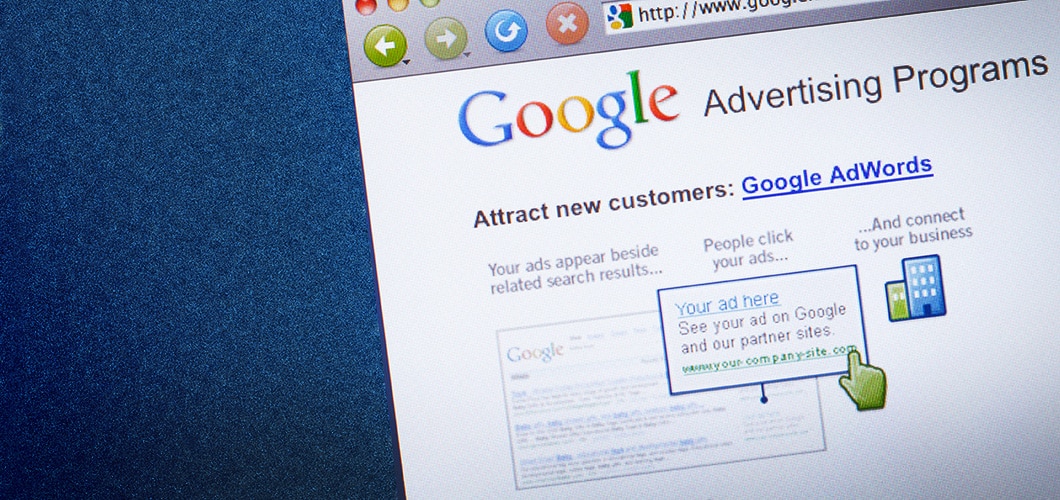
For a relatively inexpensive investment, well-placed digital ads can help you effectively target potential customers, says OPEN Forum community member Shawn Shutts, chief operating officer of Fuwak Connections. “For services such as executive assistance, Google Adwords and/or Facebook Ads are a great place to start,” Shutts says. “You only pay out based on clicks, and you can market to certain regions, people and so on.”

2. Facebook Advertising

OPEN Forum community member Kosio Angelov is a big fan of Facebook paid advertising. “You can get really targeted, and the cost is relatively low compared to Google Adwords,” he says. “If you know the demographics of who you are targeting, you can literally cherry pick only the best prospects and show your ads only to them. Or even better, if you have a competitor who already has a good Facebook presence, you can target that company’s audience directly.” Sponsored posts on Facebook are particularly effective, says Eka of the posts that are built around user activity. With these posts, advertisers pay to highlight actions already taken on the network or within a connected app. “You can learn what people are specifically interested in and tailor sponsored posts geared to your customers’ searches and interests,” Eka says. “For example, if you know that your customer is a 35-year-old woman who lives within a particular zip code, has a certain income and recently purchased an expensive blouse from Macy’s, you can create a sponsored post/update that says: ‘If you like blouses from Macy’s, you’ll love this belt and purse combination from XYZ Store. And if you click today, you’ll get a 30 percent discount!’”

3. Google Adwords

Although Adwords have become costly because businesses have bid up keywords, Eka says there is a way to make this advertising method less expensive. He suggests using the keywords at the bottom of the first page of a search. “For instance, the word ‘plumber’ will come up first and be expensive, but further down the page are plumbers supply and plumbers jobs. Those will be effective, yet less costly,” he says. Target marketing is also important with Adwords, says Jared Kugel, director of business development at Full Scale Media. “Narrow down your market, rather than shooting in the dark,” he says. “For instance, if you do business signage, don’t try ‘Business Signage North America,’ which is way too broad. Narrow it down to a particular area of interest or geographic region.”

4. Social Media

While social media is technically free, many small-business owners are simply too busy running their companies to maintain effective social media campaigns, says Kugel, who suggests hiring a local college intern or high school student to inexpensively manage your various platforms. “If you’re too busy, reap the benefits of an active social media campaign by paying someone a nominal wage for a couple hours a day to set up your various channels, come up with engaging campaigns and communicate with customers online,” he says.

5. Reviews

Considering that many people check out reviews before trying a product or service, it makes sense to set up free accounts on directory sites such as Yelp and Citysearch. To take full advantage of these cost-effective advertising platforms, Kugel suggests paying someone a reasonable fee to develop the best looking pages possible with tempting pictures and descriptions of your products and services. Do you have another suggestion or channel you’ve tried with some success? Please share n the comments below. Read more articles on marketing. Photo: iStockphoto

7 red flags that could get your small business audited

What are the red flags the IRS looks for before it audits your business? And if they come knocking, what should you do?
 
Writer/Author/Publisher/Speaker, Garden Guides Press
FEBRUARY 21, 2014As a small-business owner responsible for overseeing every aspect of your business, you are most likely pressed for time, which means that even the thought of an audit can cause your heart to skip a beat. We recently asked the OPEN Forum community: When it comes to taxes and audits, what are some of the red flags for small businesses? Have you been audited, and what was the experience like? While there’s no guarantee that you can prevent an audit, there are tactics to make the prospect less likely and things you should and shouldn’t do if the “tax man” does come knocking on your door.

Guilty Until Proven Innocent

An audit involves a thorough review of income and expenses for your business, and it’s important to realize that the burden is on you to answer the IRS’s questions and prove you made the amount of money you reported and are due certain deductions. “The IRS is looking for income that might be unreported, under-reported or deductions that might be overstated,” says OPEN Forum community member Sazeeda Itwaru, a business consultant who is principal of Avant-Garde Consulting, a tax advisory and business consulting practice. It’s your obligation to pull out and provide all the documentation requested by the IRS—and the excuses that you didn’t know or your dog ate your paperwork won’t cut it.

Red Flags to Avoid

There’s no surefire way to avoid a tax probe, but according to Itwaru, small businesses can cut the chances of being audited by avoiding the following red flags. 1. Reporting a net loss in more than two out of five years. “If the business cannot satisfy three years of profits in a five-year period, you are likely to get audited, so it’s advisable to follow the IRS publication 535 guide for business expenses,” Itwaru says. 2. Consistent late filing of tax returns and payment of taxes. Failing to follow filing requirements and meet deadlines triggers penalties, interest and unwanted attention. Always ask for an extension if you won’t be able to meet a deadline. 3. Unreasonably high salaries paid to shareholders who are also employees. Determine reasonable salaries for your type of business based on industry, skill level and geographic location. 4. Excessive deductions for business meals, travel and entertainment. Maintain receipts for all expenses, along with detailed records, and don’t overstate these expenses. 5. Shifting income to tax-exempt organizations such as charities to avoid paying taxes. This is considered tax abuse. 6. Claiming 100 percent business use of a vehicle. “If the vehicle is not designated for business use and there is not another vehicle available for personal use, the business owner should maintain detailed mileage logs and calendar entries for the purposes of each trip,” Itwaru says. 7. Cash businesses beware. Cash-intensive businesses, such as beauty salons, restaurants and car washes, will always be under closer IRS scrutiny, as they are more likely to under-report taxable income.

What to Do if You’re Audited

OPEN Forum community member Betty Pelzer-Sharper, who owns the Washington, DC-based residential real estate brokerage BSharper Real Estate, was involved in a random audit. “It was my first year filing as a new business with a lot of expenses,” she says. “The audit was time-consuming and stressful, but I got though it without having to write a check.” Pelzer-Sharper fared well in terms of the outcome of her audit because she called her CPA. She also had an ultra-organized system for maintaining and retrieving key tax records like receipts and expense and income documentation. “I maintain a database on my expenses and income, and my filing system is categorized like my expenses and income on my tax return,” she says. “This enabled me to reconcile my expenses and income against the data in my database and my receipts and documentation. My American Express Year-End Summary report was a great resource as well.” With her CPA’s assistance, Pelzer-Sharper also provided the IRS with a detailed cover letter that outlined what documentation she included in their requested package. In addition to good records, Pelzer-Sharper made sure to have positive interactions with the IRS agent. “A bad attitude will hurt you,” she says. Be polite and do your best to meet the deadlines set forth by the agent or ask for an extension.

Never Ignore Tax Notices

Even if you don’t have the money to pay the government, don’t ignore tax notices, warns Itwaru, who was audited a few years ago and feels that one of the reasons she fared so well was that she responded to her audit notice in a timely manner. “Ignoring tax notices won’t make the problem go away, it will only make it worse,” Itwaru says. “Penalties and interest start to build up, and over time, the IRS can levy, lien or seize your property!” In other words, always address the tax man head on. Read more articles on small-business taxes. Photo: Cassandra Hubbart

Apple vs. Android: What’s Better for Business?

Is your business planning on investing in new smartphones? Learn which mobile platform is better for your company’s needs.
 
Writer/Author/Publisher/Speaker, Garden Guides Press
  FEBRUARY 14, 2014As having on-the-go access to the world becomes a necessity for you and your employees, choosing the best smartphone operating system is becoming a top priority for many small-business owners. While there are minor mobile OS players, the major players are Apple iOS and Google’s Android. As a small-business owner, your task is deciding which product proves more innovative and useful for your business’s needs.
Want to Dive Deeper Into Social Media?
Access a curated collection of Social Media essentials and track your progress as you learn.
Access Now

A Brief History of Mobile OS

For the most part, Apple iOS and Google’s Android have fought for market share since 2008 when the first Android phone was launched to compete with Apple, which was introduced in 2007. While at first Apple led in market share, in early 2012, Android passed Apple. That’s interesting in its own right, but business owners know that choosing one system over another just because it sells better isn’t a good enough reason to pass it out to your employees or use it as a platform for your next app development.
OREM, UT – NOVEMBER 5: A manager holds an Apple iPhone (L) and Motorola’s new Droid smart phone (R) sold through Verizon at the Verizon store November 5, 2009 in Orem, Utah. The Google powered Droid is being released by Verizon November 6, 2009. (Photo by George Frey/Getty Images)
So how do you choose the right mobile OS for your company’s needs?

Apple Benefits

The strength of the Apple iOS is found in the phone’s software. The system is known for being user-friendly and especially reliable. Because the hardware and software are made for one another, the phone tends to operate without any interface problems. Apple products work seamlessly with other Apple products. The iPhone camera is also still considered by many users to be the top-of-the-line in the mobile camera market. The newest version has an even bigger sensor and an updated flash design. So if your business relies on you and your employees being able to take high-quality mobile photos, Apple may be your best bet.

Android Benefits

Google’s Android is an open platform OS system, which means there are far less restrictions for developing it. For Nick Nascimento, CEO of A Geek 2 Go, an onsite and remote computer and software maintenance and repair company, it’s the Android’s adaptability and resulting cost-effectiveness that made him gravitate toward the system for his business. “Apple was once the leader, but Google’s Android has taken the lead and is putting distance between the two companies. Innovation is about the applications and the ability of the hardware to adapt to changes and offer the freedom to do what we never could before,” Nascimento says. “In the world of small business, where there is limited available liquid capital, it’s Google and its Android’s application flexibility that boosts the bottom line.” Nascimento gives an example: “As a tech company, we need to stay current and on top of changes. With the Android phones, we get 100 percent upgrades (not just updates) to our smartphones and tablets without having to buy all of the new hardware. As a result, we were able to keep our last hardware for over three years and stay current. Compare that to our first gen iPads, which were technically obsolete (no longer able to update OS or many of the apps we needed daily) far too soon to make it financially feasible to replace them with new units simply to have current capabilities.” And though Apple is known for premium applications, Nascimento found the same app flexibility offered by Android, coupled with savings. “We have been able to find the same quality for much less or even free,” he says.

When to Consider Both

If you happen to be in the business of developing apps, rather than asking yourself which mobile OS platform to choose, realize that you’ll be shutting out a huge market share if you opt for one over the other, says Richard Linevsky, present of Catalogs.com, a destination website offering more than 700 product catalogs through its Web portal. The company recently introduced the e-catalog technology, Dynalog, which offers a dynamic and interactive alternative to online PDF print copies of brochures. “A lot of people will focus on Android or Apple, but if you want to be successful, you have to be on both platforms,” Linevsky says. “Don’t bother guessing where the customers are coming from, because they’re most likely coming from both.” A freelancer since 1985, Julie Bawden-Davis has written for many publications, including MSN Money.com, Parade.com, Entrepreneur, Better Homes & Gardens and Family Circle. Read more articles on technology. Photos: iStockphoto, Getty Images
Dig Deeper:
AUTHOR
Writer/Author/Publisher/Speaker, Garden Guides Press

The 6 Best Ways To Deliver Bad News

As much as people don’t like to get bad news, the people giving it aren’t thrilled either. Here are 6 tips to help you deliver bad news in a good way.
 
Writer/Author/Publisher/Speaker, Garden Guides Press
FEBRUARY 04, 2014When Jim Cragg’s company experienced a reduction in business because of sequestration, the president and CEO of S.O. Tech (Special Operations Technologies) had to lay off 31 of his 80 employees in one afternoon. “That was the worst day of my life,” says Cragg, whose company sews, designs and manufactures military, law enforcement and medical system gear and cloth shopping bags. “Some of the people I laid off had worked for me for 10 to 16 years, and some were a part of a charity program I run with the local veteran’s hospital that arranges for the employment of formerly homeless vets.” Whether you’ve lost a key client and as a result have to let an employee go or need to stop using a longtime vendor, every small-business owner must deliver bad news at some point. And most dislike the process. “Many small business owners go to great lengths to avoid giving bad news, but putting the task off only makes the underlying problem worse,” says Geoffrey Tumlin, CEO of Mouthpeace Consulting LLC and author of Stop Talking, Start Communicating: Counterintuitive Secrets to Success in Business and in Life.   “It might not win you a popularity contest, but effectively delivering bad news is an essential skill.” The next time you have to deliver bad news, try these steps. 1. Determine your main objective. No matter what type of bad news you need to share, the welfare of the company must come first, says Cragg, who notes that once you’ve established the goals of your company, you can figure out what you need to say. “Your core message is easy to spot,” Tumlin adds. “It’s usually what you don’t want to say, and the message you’ve been avoiding, such as ‘we have to let you go.’ ” 2. Be swift and kind. Your main objective should be to deliver bad news as quickly and painlessly as possible with the least amount of collateral damage. “You never know when you’ll want to rehire someone or need an advertising company again. The person receiving the bad news shouldn’t feel one bit worse than necessary,” Tumlin says. Tumlin suggests delivering bad news in such a way as to make the experience as face saving as possible. “Point to outside factors for why you’re making changes, such as you need to lay someone off because you lost a contract,” he says. “Blaming something else is much better than dragging the person through the mud while pointing to his or her work.” 3. Don’t negotiate or counsel. Sticking to your guns when delivering bad news is critical. “You’re not sharing negative feedback, and it’s not time to negotiate,” Tumlin says. “Repeat variants of your message to further explain, but don’t add any new information. You risk drifting away from your core message and being talked out of your decision.” While it’s acceptable and a good idea to answer practical questions, such as how long until the final day of work, avoid responding to emotional questions or allowing yourself to be mined for details. “Don’t answer questions about how this happened or if it was because of something the person did previously,” Tumlin says. “That only brings up issues you shouldn’t be discussing. Stick to your story and don’t get pulled into any drama.” 4. Handle potential outbursts quickly and efficiently. “If someone has been with you a long time, there may be some crying or anger,” Tumlin warns. “Offer a tissue if there’s crying, and if someone gets angry with you, remind him or her that you’ll be the one giving out references, so it would be a good idea to settle down. Self-preservation often kicks in and the person stops.” 5. Offer assistance. Whenever possible, give bad news recipients a ray of hope, Cragg advises, who was so committed to the people he laid off that he created a follow-up program dedicated to finding jobs for his former employees. “I had weekly calls with them until I’d gotten each a job referral,” he says. Ned Lavelle, co-founder and owner of Pinthouse Pizza, hired a former coworker to run his brewpub when he started out, but had to let him go eight months later. “By explaining that I’d made a tactical error during hiring and that I was committed to doing what I could to help the former employee find a position, I was able to preserve goodwill between us,” Lavelle says. “How I treated the situation also sent a positive message to our employees.” 6. Get out. Once you’ve delivered your message and answered questions, make as graceful and quick an exit as possible. “If you’ve created a clear core message, it speaks for itself,” Tumlin says. “Overstaying a difficult situation is not productive. You might give up ground you hadn’t intended to or talk about topics best left unsaid. Your best bet is to be clear, be concise and be gone.” Read more articles on hiring and firing. Photo: Getty Images

6 Ways To Discover Breakthrough Business Ideas

Be a smart innovator by using these 6 tricks to better brainstorm the next big idea.
JANUARY 02, 2014Innovative ideas feed the entrepreneurial fire, making the creation of new products and services possible and ultimately growing and boosting business. While conceiving breakthrough business ideas is not an exact science, there are steps you can take to nurture the process. 1. Ask leading questions. Encourage game-changing ideas by asking yourself questions that lead to more questions and then ultimately answers, says Ken Moll, founder of Blue Elevator, a business consulting and advising firm. “Questions that ask ‘what if’ are particularly useful,” he explains. “Focusing on challenging questions is particularly helpful,” adds Marc A. Price, co-founder with Michael F. O’Keefe and Scott L. Girard Jr. of Expert Business Advice, who are also co-authors of the Crash Course for Entrepreneurs series of books. “Asking yourself leading questions, such as what if the cost of materials from your supplier goes up and could a substitute product be introduced, are helpful because they drive contingency planning, which often leads to innovation.”
2. Alter your routine. “One of the best ways to get the creative juices flowing is to extract yourself from your day-to-day routine, both figuratively and literally,” says O’Keefe of Expert Business Advice. “When I’m in the office, doing the same things, working on the same projects and speaking with the same people, it gets monotonous, and I tend to hit cruise control. I formulate my best ideas and often have more aha moments when I’m away from home, out of the office and disrupting my usual routine.” 3. Listen to your customers. Sometimes a good idea is offered up by a client in need of a certain service or product. Keeping your eyes and ears open is vital, says Girard of Expert Business Advice. “An old proverb once said that you have two ears and one mouth for a reason—so you can do twice as much listening as you do talking. You need to constantly be asking questions, but most importantly, listening to the answers. Feedback can be a great source of ideas and inspiration.” 4. Examine the market. One of the best places to look for breakthrough ideas is right in front of you. “I get my inspiration from industry information,” says Dave Sentenn, founder of Local Monster,  a company that shows small businesses how to generate traffic to their websites and convert the traffic to new business. “I try and innovate, or simply improve upon, what’s already working and then ride those trends and needs into a product of my own,” he says. “Many of my ideas are not original, but I always try and have a different take on what’s already working.” In the same respect, Girard suggests examining what hasn’t worked for your competitors. “Sometimes the most unique ideas or inspirations come from the failures of your competition,” he says. “It could be they were almost there. So when they fail, ask yourself: Why did that just happen? The right answer may immediately come to you while they’re still trying to pick up the pieces.” 5. Get a fresh perspective. Bouncing ideas off other entrepreneurs also works well, says O’Keefe, who reports that he and his partners come up with their best ideas together. “Sharing ideas, even with business owners in other industries, is bound to broaden your horizons and lead to innovation,” he says. Seeking counsel with a business adviser can also help you experience a breakthrough, Moll says. “It’s difficult to truly see yourself without some guidance. An objective adviser can steer the process and help you discover your unique value proposition and what will best resonate in the marketplace.” 6. Don’t force it. In this Internet age, instantaneous results are often expected, but creativity can’t be rushed, says O’Keefe. “The best strategy for coming up with new ideas is to not have a strategy for coming up with new ideas. Some of the best ideas throughout human history have materialized from epiphanies.” Brainstorm, but don’t try to dictate innovation by putting a deadline on it. “If you get stuck, relax, go for a run, walk, drive or just remove yourself from your desk,” O’Keefe says. “When you come back with fresh eyes, you’re much more likely to get hit by inspiration.” A freelancer since 1985, Julie Bawden-Davis has written for many publications, including Entrepreneur, Better Homes & Gardens and Family Circle. Read more articles on leadership. Photo: Getty Images

5 Ways To Expand Your Business Using Social Media

Social media can be your business’s best friend if you follow these experts’s tips. DECEMBER 30, 2013 When Melt Bar and Grilled  opened in 2006 serving up handmade gourmet grilled cheese sandwiches and beer in an eclectic atmosphere, spreading the word via social media seemed like a good choice for the new Cleveland-area business. Today the restaurant’s Facebook fan page boasts 62,556 likes,  and owner Matt Fish, who just opened up his fifth restaurant, credits social media. “We created a fun, interactive website and started our Facebook page, and that’s been our biggest and best social media outlet,” says Fish, who also has a Twitter account with 13,512 followers. “From day one, we used Facebook to advertise promotions and get the gospel out about what we do.” Shawn Prez is president and CEO of Power Moves,  a grass roots and alternative marketing agency that serves small businesses, as well as music industry personalities. “We live in a digital age where the majority of consumers are tuned in electronically, and it’s imperative that small-business owners embrace that world,” Prez says. “Social media is your first line of defense.” If you don’t have a social media presence, you are missing an exponential opportunity for growth, agrees “Captain of Online Branding” Sue B. Zimmerman,  who increased business for her Cape Cod seasonal retail shop, Sueb.Do,  by 40 percent using Instagram, and now teaches other entrepreneurs how to take advantage of the site. “Social media provides you with the opportunity to amplify your message, address customer service issues and build relationships with clients that you wouldn’t be able to otherwise,” Zimmerman says. “You get the opportunity to create a personality behind your brand, which leads to trust, credibility and potentially more sales.” How can you expand your business using social media?

Sign Up Existing Customers

“Take advantage of your clients and their potential followings,” Prez says. “When people visit your brick-and-mortar or online store, request their cellphone numbers and email addresses and then send exclusive promotional incentives as a thank you, along with requests to ‘like’ and ‘follow’ your company. This creates a connection between you and your customers that people want and expect,” Prez instructs.

Act Like A Hit Band

Fish has found success treating his restaurant “like a rock-and-roll” band. “Just like a record producer will do when a record is coming out, we promote new products with gimmicky giveaways and posters that we post on Facebook,” he says. Prez agrees with the tactic. “Building a fan club is done all of the time in the entertainment industry. Record labels and independent musicians don’t wait for the fans to discover the video and music. If an artist drops a new video, it’s uploaded to YouTube, and the video link is sent out to all of the artist’s fans. Small-business owners can post short video promos and photos and then send out links via email and text.”

Hatch Zany, Out-Of-The-Box Ideas

“In order to build a big fan base, it’s important to do more than post promotions and daily specials on Facebook. The key is to keep your name in front of the media and on the top of customer’s minds, and this requires wacky promotions,” says Fish, whose restaurant has appeared on the Food Network. “Rather than thinking about what will make money, come up with ideas that will attract attention.” In 2009, Fish started a logo tattoo promotion that he continues to this day. “When people get our logo tattooed on themselves, they get 25 percent off food and drink for life,” says Fish. “When we ran the promotion, I figured we’d get maybe 15 to 30 customers interested in becoming what is essentially a walking promotion, but to date we’ve had more than 500 takers. When customers come in with their new tattoos, we welcome them to the ‘club’ and post their pictures on Facebook. Those posts immediately go viral.”

Hire Your Own Celebrity Spokesperson

You may not have the budget to hire a national star to endorse your product, but you can take advantage of local celebrities, says Prez. “Look for an influencer in your industry and ask the person to be your spokesperson. If you’re selling women’s beauty products, for instance, post some promos on social media and your website featuring a well-known hairdresser. In addition to attracting attention from your followers, that person will have his or her own following, which can increase yours exponentially.”

Be Authentic

For social media efforts to be effective, it’s critical that your personality shines through, says Zimmerman. “Staying true to who you are, what you do and who you serve is critical,” she says. “When you’re yourself and do what you love, you stand out from the crowd.” A freelancer since 1985, Julie Bawden-Davis has written for many publications, including Entrepreneur, Better Homes & Gardens and Family Circle. Read more articles on marketing. Photos: Melt Bar & Grilled

9 LinkedIn Hacks That Will Boost Sales

LinkedIn is one of the most powerful networking resources small-business owners are not using. Start today with these 9 tips and watch your profits grow.
Writer/Author/Publisher/Speaker, Garden Guides Press
DECEMBER 23, 2013Even though she signed up with LinkedIn five years ago, micro-publisher Rosie Meleady only recently began taking the site seriously. “I always thought it was just an elaborate Rolodex for companies,” says the creator of the Magazine Creation Academy and editor of Life Is Short Magazine. “Then I saw stats on how LinkedIn has a much better conversion rate than Facebook and Twitter, so I took the plunge and joined an online LinkedIn course a month ago.”
Want to Dive Deeper Into Productivity?
Access a curated collection of Productivity essentials and track your progress as you learn.
Access Now
Since then, Meleady has seen a marked increase in business. “As soon as I started taking advantage of the site, I saw instantaneous results, including being asked to appear on a podcast and to create a magazine. I’ve been active on Facebook nearly every day for the last five years and it never gave such results in such a short time-frame.” Many small-business owners don’t realize how powerful LinkedIn is as a networking tool, says social media expert and LinkedIn evangelist Karen Yankovich. “According to a study done by Hubspot, LinkedIn is 277 percent more effective for lead generation than Facebook and Twitter,” she says. “Small-business owners are finding many benefits to connecting on the site. It provides an appropriate way to keep contacts warm in a professional, unobtrusive and authentic way.” Your LinkedIn profile is being seen by people even if you’re ignoring it. “Your profile is the front door to your world. When people want to find out more about you, they’ll do so through your LinkedIn profile, because the site is ranked high by Google search algorithms. This provides a huge opportunity to make sure potential customers know exactly what you want them to know about you,” Yankovich says. No matter what your industry, LinkedIn, which has 259 million registered members worldwide, has become today’s business card, agrees Risa Edelstein, director of marketing and retail product development for the family-owned company Echotape, a manufacturer of industrial tape. “I’ve found the best suppliers on LinkedIn, and use it to help make final hiring decisions and to check out my competitors,” says Edelstein, who introduced her company’s 70 employees to LinkedIn in February 2013, resulting in increased sales. Want to start making LinkedIn’s networking power work for you?

1. Claim your expert status in your headline.

“LinkedIn gives you an ideal opportunity to highlight your areas of specialization with your headline,” says Yankovich, who notes that the headline is searchable by Google, so having your specialties clearly stated in your headline is critical.

2. Make your profile professional.

Include a business-like head shot of yourself, your email address, website or blog address and your Twitter handle. Claim your personalized URL with LinkedIn rather than the URL they assign you, if it’s available. And be thorough in your summary of your skills and expertise.

3. Make yourself searchable.

Sprinkle keywords throughout your profile regarding your areas of expertise, which will cause you to appear in online searches. If you specialize in tax law, make sure to use that and similar terms throughout your profile.

4. Build up your connections.

Unless you have a bad vibe about someone, Yankovich suggests accepting all invitations and sending them out on a regular basis. “The more connections you have, the greater the power of your network,” she says. “Your first degree connections have their own connections. It’s often in these second degree connections that you find valuable contacts.”

5. Ask for recommendations.

Recommendations on your LinkedIn page are like “social proof on steroids,” says Yankovich. “Giving and getting recommendations on the site is a great way to build up the trust factor between yourself and your connections and anyone who looks at your page. If someone praises your work, ask the person to write you a recommendation. Many people are happy to do so.” Recommendations are not be confused with endorsements, which are also a useful feature on the site.

6. Reach out to contacts.

On a regular basis, Yankovich emails about 20 of her LinkedIn contacts by sending a thank you for connecting and offers herself as a resource. “Seven out of 10 times, they’ll reply to me and sometimes it will result in a phone call to see how we might help one another,” she says.

7. Add media.

Take advantage of the opportunity to share media on your profile page, such as blog posts, articles, Web pages and video. In addition to rewriting her summary a month ago, Meleady uploaded a YouTube tutorial and a few promotional videos, and feels that these efforts are the reason she experienced quick results.

8. Set up a company page.

“Personal profiles establish you as the expert, and company pages are where you can showcase all of your products and services,” Yankovich says. Include on the page a blurb about your company, as well as articles and photos.

9. Take advantage of groups.

A wide variety of groups exist on the site, offering you the opportunity to connect with like-minded individuals and forge valuable partnerships. Yankovich suggests active groups with 200 to 1,000 members. Look for groups where people are asking and answering questions and offering feedback about the topic. A freelancer since 1985, Julie Bawden-Davis has written for many publications, including Entrepreneur, Better Homes & Gardens and Family Circle. Read more articles on social media. Photo: iStockphoto
AUTHOR
Writer/Author/Publisher/Speaker, Garden Guides Press

5 Questions To Ask Before Making A Key Decision

As the leader of your business, it’s up to you to make the tough decisions. Use these 5 guidelines to help you make the right ones. DECEMBER 17, 2013 Effective leaders know that no important business decision is made in a vacuum. Critical decisions that affect the well-being of your company call for extra thought and consideration, and for the small-business owner, this task is a vital one because it affects your future and that of your employees. Such decisions require that leaders ask specific questions of themselves and others, says Roxi Hewertson, CEO of Highland Consulting Group Inc. and AskRoxi.com. “Not asking pertinent questions or gathering critical information is an incredibly myopic way to make a decision,” Hewertson says. For more than 20 years, Hewertson has worked with business owners, helping them more effectively lead. She says that failure to make good decisions is a common problem. “Leaders often wait too long and then make a unilateral decision in a reactive versus proactive way. What happens in business is chaos occurs where order is needed, and a lack of trust develops due to the unpredictability of ‘What’s coming next?’ and ‘Who’s on first?’ syndromes.” You can increase the odds that you’ll make more effective decisions by first asking yourself these five questions. 1. What is the decision that needs to be made? “Be explicit,” Hewertson says. “What exactly needs to be decided? If you can articulate it, you know what the decision is, but if you can’t, you don’t—so begin with a lot of clarity.” If, for instance, you know you need to decrease expenses in order to remain profitable and a decision regarding this issue is necessary, it’s important to know exactly what that decision is. Does it mean you need to downsize staff? Institute a hiring freeze? Cut employee benefits? Narrowing down the decision you need to make enables you to make a sound one. 2. Whose decision is it? It’s critical that you know and communicate up front exactly who will make the decision, Hewertson says. “Are you the decision maker?,” she asks. “Or is this a group decision that you will not override? Do you want input or a decision from others? Or is the decision someone else’s outside your group? “People don’t usually mind what the answer is, but they do mind a lot if you pretend it’s something it’s not,” Hewertson says, “as would be the case if you’ve already made the decision and are pretending it’s still up for discussion.” For employees to become invested in whatever decision you make, it’s important that they feel respected and consulted, agrees Deborah C. Hoard, president of PhotoSynthesis Productions, an award-winning, small, independent video and film production house in upstate New York. “Being perfectly clear on who the decision makers are is crucial,” Hoard says. Knowing who the decision makers are also makes it clear which method you should choose, such as consensus, majority or unanimous. 3. How will the decision affect the corporate culture? Early in the decision-making process, Hoard asks herself how a potential decision will affect the quality of life in the workplace. “We strive to make this a fun place where everyone enjoys coming to work,” she says. “If we’re being offered a lucrative job but the team wouldn’t want to come to work if we took on the project, then that is going to affect our decision.” 4. When will the decision be made? The timeline for the decision is important for people to know, so the impacts of the decision can be managed well and people can get on with their work, Hewertson says. “Taking too long or not long enough can be frustrating and create unintended and even dysfunctional outcomes.” While you don’t want to rush a decision, you also want to avoid taking too long or failing to make a decision at all, Hoard adds. “Indecision is a decision in itself,” she says, “and the eventual outcome probably won’t be one you would have made if you were being decisive.” 5. How and to whom will the decision be communicated? The success of a decision depends on how well it is communicated, Hewertson says. “Consider who needs to know, who the messenger is, and how it will be shared and through what means, such as in person, by email or over the loudspeaker,” she says. “Often the choice of messenger sends a message all its own. The message will feel very different to the receivers depending on who sends it.” Whatever decision you end up making, don’t be surprised if you second-guess yourself. “You’ll never know for sure if you’re making the right decision,” Hoard says. “You can only do the best you can with the information you have on hand.” Freelance writer 1985, Julie Bawden-Davis has written for many publications, including Entrepreneur, Better Homes & Gardens and Family Circle. Read more articles on leadership. Photo: iStockphoto

Why Doing An Excellent Job Could Damage Your Business

Your customers are taking the amazing work you do for granted, and you’re not getting business because of it. But there are ways to fix this “paradox of excellence.”
Writer/Author/Publisher/Speaker, Garden Guides Press
DECEMBER 03, 2013When Michael Weissman and his colleagues delivered a stellar presentation to a client showing how they could prioritize the company’s portfolio, he and his team were dumbfounded when they were criticized for the appearance of their spreadsheet. “It was unbelievable to us,” says Weissman, co-founder and CEO of SYNQY Corporation, which helps companies deliver and manage interactive online experiences. Weissman and his team have advised many companies, including Apple, Adobe and Symantec.

Paradox Of Excellence

Fortunately, Weissman immediately understood what was happening. He had recently co-written a book with David Mosby, The Paradox of Excellence,  which discusses the phenomenon he and his team experienced that day. “It was obvious we were victims of the paradox, which says the better you do your job, the more invisible you become to everything but bad news,” Weissman explains. “Your perceived value erodes as customers lose sight of the problems you relieved through the excellent job you’ve done. This common reaction of taking good work for granted stems from customers continually expecting more and more from companies. “This is best understood through a concept called the ‘Revolution of Rising Expectations’ [developed] in the 1800s by French political thinker Alexis de Tocqueville. He hypothesized that revolutions aren’t caused by oppression but rather from unfulfilled expectations,” Weissman says. “Today, customer expectations increase faster than company performance, creating an ‘entitlement gap.’ Customers feel entitled to any performance they believe they deserve—independent of the practicality or affordability of the company delivering that performance.”

Solutions To The Paradox

So what can a small-business owner do to mitigate the paradox of excellence and the resulting entitlement gap? Weissman recommends companies build an “advocacy bank” of positive feelings about your company with your customers. “In a socially acceptable manner, become transparent about what you provide and continually reinforce your value to your customers,” Weissman suggests. “Do this by making them aware of how much you do for them, how fast and how well you do it, how much benefit they get from what you do, and why they should be working with you.” Weissman offers this example of building positive feelings: “My drugstore tells customers how much they saved by using their loyalty card on a given trip to the store as well as cumulative savings over the life of the relationship. This reinforces the store’s complete value during every transaction.”

Remind Customers Of Your Value

Patty Jensen’s company also had trouble with customers taking their services for granted until she and her fellow employees became aware of the paradox of excellence. Jensen is vice president of account services for JDA Inc., which assists retail clients in developing an integrated and engaging brand message throughout the purchase process. “The concept really resonated with us,” Jensen says. “Even though we’re an accomplished design and marketing agency and have retained clients for over a decade, we were only as good as our last mistake. Despite our track record, we had to re-prove and rebuild client confidence after minor errors.” Jensen’s company dealt with the destructive cycle by becoming completely transparent. “Our clients had no idea the amount of detail and time that goes into tracking and monitoring their jobs, so we started showing them production schedules and holding weekly production meetings,” she says. “They came to see the many versions of creative concepts and rounds with production and editing. Once they became more involved, minor human errors were no longer a sticking point for them—they refocused on our creative work and how it accomplishes their goals.” Reminding clients of how much improvement has occurred because of your work is also critical, notes Jennifer Benbrook, vice president of online marketing for Sequoia Technologies IMS,  a search engine optimization and marketing company. “We’ve always delivered great search optimization results, but we were only retaining about two-thirds of our customers,” Benbrook says. “After becoming familiar with the paradox of excellence, we realized that our clients had forgotten about their less successful performance prior to working with us. Now, in addition to providing clients monthly performance reports, we illustrate the value of our work by indicating their original performance before they hired us.” As a result of the changes they made, Sequoia Technologies now enjoys a 98-percent client retention rate, which has meant steadier business for the company. If you recognize the paradox of excellence at work in your business, it’s time to turn the tables in your favor by using these tips to prove your company’s value. Freelancer Julie Bawden-Davis has written for many publications, including Entrepreneur, Better Homes & Gardens and Family Circle. Read more articles on leadership. Photo: Getty Images

5 Ways To Master The Art Of Listening

Effective listening is one of the most important skills a strong leader can have, and it’s the one that most small-business owners need to develop. These 5 tips can help you improve your listening ears.
Writer/Author/Publisher/Speaker, Garden Guides Press
NOVEMBER 15, 2013 The popularity of social media has taught us that people like to be heard, and the same holds true for employees and customers. The trouble is, many small-business owners don’t know how to effectively listen. Much of the problem lies in the fact that small-business owners receive little to no training in the art of listening, says Chris Majer, founder and CEO of the Human Potential Project  and author of The Power to Transform: Passion, Power, and Purpose in Daily Life.
“According to the International Listening Association, more than 35 studies indicate that listening is a top skill needed for success in business, yet less than 2 percent of all professionals obtain training to improve listening skills,” Majer says. “Listening isn’t taught in any business school, and there are few listening courses available to companies. The subject tends to get dismissed as the dreaded ‘touchy feely’ stuff.”

A Valuable Skill

Overlooking the importance of effective listening can have costly consequences. “Companies lose billions annually,” Majer says. “Listening is an active interpretation that shapes our realities, and it’s the answer to improving employee productivity and increasing business with customers.”
Listening is also the key to managing the mood in a company. “A lack of listening can result in degenerative moods among employees, including mistrust, resignation and resentment,” Majer says, “whereas employees who feel listened to experience improved mood fueled by ambition and confidence, which boosts productivity and ultimately profitability.”
As business owners find themselves dealing with increasingly informed customers thanks to the explosion of technology, it becomes even more critical that they truly listen, Majer says. “All product information and pricing is available on the Web, which means that a small-business owner’s competitive advantage is no longer found in lower prices,” he says. “Instead, the advantage is in customer service, and the essence of customer service is listening. When you really listen to customers and take their concerns seriously, they’re happy to do business with you, even if your prices are a bit higher.” Truly listening to customers can lead to substantial increases in business, adds business growth specialist Steve Blue, who has more than three decades of management and consulting experience. “Years ago, I launched a new product based on one of my customer’s grumbling about a problem he had that no one was fixing,” says Blue, who is also the president and CEO of Miller Ingenuity, a railway component solutions company. “The customer mentioned it almost in passing, as if he’d said it a thousand times and nobody listened. But I did. After digging deeper, I formed a partnership where my customer became the product champion and test-bed. The product became wildly successful, earning my company millions and solving a long-standing problem in the industry.”

Listening Tips

Effective listening can open the door to new opportunities, increase revenue, improve customer service and boost employee productivity. And almost everyone can use help fine-tuning or improving their listening skills. So how can you become a better listener? These five tips can help:

1. Forget outdated advice.

“What passes for ‘listening’ training is largely stuff from the 1970s that falls into the category of active listening,” Majer says. “That pointless practice calls for the listener to pay attention to what is said and repeat statements. For instance: ‘What I heard you say is that Bob is going to be late with the report because his printer isn’t working.’ This technique teaches people to be parrots, missing the entire point and possibility.”

2. Interpret what you hear.

True listening involves hearing plus interpreting, and it’s what people automatically do anyway, Majer says. “For example, regarding the statement about Bob and the printer, it would be more useful to share an interpretation: ‘I heard what you said about Bob, and I interpreted that he’s lazy and is once again dishing up some lame excuse for not getting his work done on time.’ ”

3. Clarify what you heard the other person say.

Blue shares that his business partner in Brazil, who speaks reasonably good English but isn’t fluent, does a great job of listening and clarifying. “Whenever we talk about something important, he’ll say, ‘Let me be sure I understood you perfectly,’ and then he’ll paraphrase what I said in his own jargon and tell me what he thinks it means.” That works well for people who speak the same language, too, because then both individuals are assured that they’re being heard and understood.

4. Ask open-ended questions.

You can open the door to deeper communication by asking questions that encourage interpretation, such as these: Tell me what you make of what I just said, What did you think I meant by that? or How did that affect your thinking?

5. Validate what you heard.

“Clients want to be heard and validated,” says Merilee Kern, owner of PR agency Kern Communications. “It’s imperative to receive a client’s input with enthusiasm and due respect, even when the input is uninvited or far off the mark,” Kern says, noting that no appropriate response starts with the word no. “Applaud the client or customer for their effort, and mold and re-direct the input toward an idea that may be better suited for the desired outcome.” Listening doesn’t always mean agreeing, Majer clarifies. “I can listen to a point of view and not agree with it or act in accordance,” he says. “What matters is that I’m attentive and engaged, and that the customer or employee maintains dignity.” Julie Bawden-Davis is a freelance writer who has written for numerous publications, including Entrepreneur, Better Homes & Gardens and Family Circle. Read more articles on leadership skills. Photo: Thinkstock

The 7 Best Places For Business Networking

Networking can be either the key to a small business’ success or a great waste of time. Try these events tested and recommended by OPEN Forum community members.
Writer/Author/Publisher/Speaker, Garden Guides Press
OCTOBER 31, 2013For small-business owners, consistent networking and the business leads that come from those efforts are key to spreading the word about your product or service. Few activities are more powerful and likely to result in increased business than connecting in person with other business owners or potential clients. However, as Meredith Wood, an OPEN Forum community member and director of community relations for Funding Gates, points out, “It’s easy to waste your time networking in unrewarding places. Where have you found to be the most rewarding places to network with other small-business owners?” Fortunately, a variety of in-person networking opportunities exist. Consider checking out some of these meetings and events recommended by OPEN Forum members.

BNI (Business Networking International)

Founded in 1985, this international business networking organization has 150,000 members. Members meet weekly to share referrals and increase exposure, which can be profitable. Mike Adray, president of Adray’s VP Handyman, joined his local BNI chapter in late 2010 and has found the group to be especially profitable for his business. “I’ve received several referrals that exceeded $10,000, and my largest referral to date was $19,000,” says Adray, noting that he also passed on a referral for $70,000 to another member.

Chamber of Commerce

Don’t overlook your local chamber of commerce. Most chambers host networking events designed to bring small-business owners together with each other and the community. Visit the website of your local chamber or give them a call and get a list of upcoming events, such as mixers and trade shows, the latter of which gives you a chance to showcase your business.

Eventbrite

Community member Andria Younger, founder of Cre8iv Branding,  often attends business-oriented events she finds on Evenbrite.com and Meetup.com. “I have found [both sites] to be a great resource for networking opportunities,” Younger says. “Your competition is hanging out at the same events and conferences. Breakout from your competition and look for opportunities to connect to people in a fun social environment. Where does your target market like to hangout for fun?”

Le Tip International

Meetup

SCORE

Since its inception, nearly 10 million Americans have used SCORE’s services. There are 348 chapters throughout the U.S. Each chapter is comprised of accomplished and experienced entrepreneurs and business owners who are trained as business counselors and volunteer their time to mentor entrepreneurs and small-business owners who are just starting a business or wish to work on their existing business.

Volunteer Organizations

Though their direct intent is not to build business, organizations that strive to make the world a better place, such as Kiwanis International  and  Rotary International,  end up offering vast networking opportunities. Joining such organizations offers the chance to build your business and volunteer your time. A freelancer since 1985, Julie Bawden-Davis has written for many publications, including Entrepreneur, Better Homes & Gardens and Family Circle. Read more articles on networking. Photo: iStockphoto

What The Best Leaders Understand About Themselves

Are you in touch with your values, motivations and goals? These 6 steps will start your journey of self-discovery so you can lead your company to success.
Writer/Author/Publisher/Speaker, Garden Guides Press
OCTOBER 24, 2013Truly great leaders know themselves well. They understand their dreams, aspirations and what motivates them to succeed, and this knowledge allows them to lead well and inspire others to succeed. “From Thomas Edison to Mary Kay Ash to Steve Jobs, great leaders throughout history tap into their strengths, talents and even their quirks to become world changers,” says Karen Zeigler , a life strategist for women in leadership, who provides business coaching, including leadership development training.
“When a leader doesn’t explore who he or she is, it’s like buying a new car and not knowing what type of fuel is best suited for the vehicle,” Zeigler says. “The car may still run, but it will not run optimally, and in the long run, it will likely break down. Knowing who you are allows you to perform at your best. You’ll have greater energy and be more effective and productive.” To develop your true potential as a leader, your first step is to get on the road to self-discovery. Here’s how to begin and chart your course:

Discover Your Values

“Without exception, great leaders possess high levels of self-awareness and clarity of motivation, and this understanding comes from discovering their unique values,” says Morgan Hendrix, CEO of Virtual Business Leader . Values vary among small-business owners. “Some business owners value consistency, while others value authenticity,” Hendrix says. “My number-one value is alignment—being aligned in business and life matters to me most. Understanding this, along with my other top values, gave me a clear vision of what I want and how I best lead.”

Identify Your Values

You can discover what’s really important to you by answering these six questions:
  • What matters to you in your family life?
  • What makes you feel energized at work?
  • What is it that makes you cringe, and why does it bother you?
  • What are you unwilling to give up?
  • When you start something, what pushes you to jump in?
  • What are your most treasured memories?
Spend some time contemplating each of these questions, really digging deep to determine what’s most important to you.

Stay True To Your Values

Great leaders know themselves well enough to refuse to compromise their values. “If you look at the career of President Lincoln, you’ll notice that such leaders are never willing to sacrifice their values and principles,” Hendrix says. “Lincoln was not surrounded by a naturally cohesive team of followers but rather by a group of enemies and challengers with leadership roles in their own right, yet he stuck to his own values.”

Discover Your Passions

To reach your highest potential as a great leader, it’s necessary to identify your passions. “Look at those circumstances or experiences in your life that create a big emotional response,” Zeigler says. “One of the best questions to ask yourself in order to discover your passion is, ‘If I could change one thing in my life, what would it be?’ Looking at your dreams and desires will often point to what makes you passionate.” Success for its own sake isn’t usually what inspires people, Zeigler warns. “We often override important pieces of who we are in order to earn more money or achieve what onlookers would deem as more success,” she says. “For instance, I was a successful investment adviser for the first 13 years of my career. Looking at my personality and strengths, it would seem like a good fit. However, my passion for creativity and freedom weren’t addressed in my former job, which led to my career change.”

Know Your Temperament

Discovering your temperament by taking a test, such as the Myers-Briggs Type Indicator or the Keirsey Temperament Sorter, allows you to get a good handle on how you best lead. When you embrace your true personality, you make optimum leadership decisions and reach out for assistance in the most effective way possible. “I am an intuitive introvert, who thrives in the world of ideas,” Zeigler says. “When it comes to interacting with people, I’m good with small talk for about 15 minutes. Move the conversation to the daily running of a business or department, and I can last two to three hours before I need to retreat. When it comes to problem solving, brainstorming and idea generation, however, I can go just about all day. Such insight shows me the type of leadership tasks I should take on and the people I need to hire or surround myself with in order to create a strong, successful company.” If you’re trying to improve your leadership skills in order to achieve your life goals, these tips will help you get to know yourself better. And you may just discover a leader within that you didn’t even know existed. A freelancer since 1985, Julie Bawden-Davis has written for many publications, including Entrepreneur, Better Homes & Gardens and Family Circle. Read more articles on leadership. Photo: Thinkstock

5 Ways To Create Meaningful Customer Relationships

Customers need to feel valued, understood and special, or they’ll walk out your door. Here’s how to develop a better “bedside manner” with clients.
Writer/Author/Publisher/Speaker, Garden Guides Press
OCTOBER 21, 2013In many ways, the relationship between a doctor and patient is the same as that of a small business and a customer. A good bedside manner can comfort and reassure a client, while a poor one can leave a customer feeling dissatisfied, ignored and most likely walking out the door. “The success of any business depends on creating and maintaining meaningful customer relationships,” says Mike Muhney, founder and CEO of VIPorbit Software and co-creator of ACT! software. “When you connect with customers on a personal level and give them the best experience possible, that goes a long way toward securing future business.”
The consequences of a bad bedside manner, on the other hand, can be costly for the small-business owner, notes Steve Blue , president and CEO of Miller Ingenuity , which designs and produces railroad parts, and author of Ten Million Dollar Employee: When Your Most Toxic Liability Meets Your Most Important Customer . “Toxic employees, who have the worst bedside manners, can drive customers away in droves. The long-term consequence of having even one toxic employee with a poor bedside manner can be disastrous. If he or she drives away five customers a day and the average spend is $100 per customer—that amounts to a whopping $183,000 per year!” Blue says. To ensure that you keep business and grow your company, it’s critical that customers feel special, valued and understood. Try adopting these five business practices that create successful customer relationships.

1. Prioritize Face Time

While the many ways we communicate today work well, including phone, text messages, emails, social networking platforms and videoconferencing, nothing creates a better rapport with your customers than meeting face-to-face. “Spending time together in person allows both parties to make the most intense emotional connection with fewer distractions and misunderstandings,” Muhney says. “The smile on your face, the warm handshake and meeting each other’s eyes creates an emotional connection on a personal level that you can’t achieve virtually.”

2. Give Your Undivided Attention

Attentive time is in limited supply today. “We often find ourselves splitting time between the people around us and the constant stream of electronic communication from the various devices we can’t live without,” Muhney says. “As we split time and attention in more ways than ever before, the amount available per person gets smaller and smaller.” Reduce the likelihood that your customers feel you’re not really “present” by putting away your cellphone and giving them your undivided attention. Doing this demonstrates professionalism and shows that you value their time.

3. Be A Hero Everyday

“At my company, our mantra is to simply and humbly be everyday heroes to our customers,” Blue says. He sends employees out to meet clients, so they can see the challenges they face and are then able to better serve them. “We call this the ‘wrench to wrench’ program,” he says. “We hook up our factory employees with the customers who apply our product, and we work hard to develop a personal connection between them.” When employees live the corporate culture and develop a good bedside manner, you should encourage such behavior by recognizing, rewarding and compensating them.

4. Keep Confidences

As we’ve become accustomed to communicating and sharing personal information through social media, privacy and trust have lost some meaning. “Real trust is not only earned over time, but it’s earned by each and every opportunity to keep a confidence,” Muhney says. “Though it might not be spelled out as clearly as the legal obligations of doctor-patient confidentiality, any professional relationship should be built on a foundation of trust. The customer must trust that you’ll do what you say you’ll do and that you won’t share information you shouldn’t share.”

5. Be Considerate

With the shift from one-to-one communication to one-to-many stream of social communication, it’s no surprise that society as a whole has shifted to a “me-centric” way of thinking that fails to consider others, Muhney says. “Consideration is one gift that customers don’t necessarily know how to describe, but they recognize it when they receive it, and, most importantly, they know when they don’t,” he says. Armed with these keys to creating a positive bedside manner, you can develop loyal customers who keep coming back for more. A freelancer since 1985, Julie Bawden-Davis has written for many publications, including Entrepreneur, Better Homes & Gardens and Family Circle. Read more articles on customer service. Photo: iStockphoto

Low-Cost Ways To Market Your Business

Get more bang for your advertising buck by tweaking your marketing plan to take advantage of social media, your online presence and good old-fashioned networking.
OCTOBER 14, 2013As a small-business owner, you know that getting the word out about your business fuels growth and increases sales, but how do you advertise your unique products or services without breaking your budget? AA, an OPEN Forum community member and founder of AV Magazine, recently asked, “What is the best way to advertise? Facebook and other social media outlets are okay but not working very well. Is there a way I can get more out of social media? Are there any alternatives to social media that are cheap and effective? I have a great product that I know people will like if I can just reach the right people. How can I do that?”

When To Use Social Media

According to Lisa Fahoury, marketing expert and chief creative officer of Fahoury Ink, while social media has definite value in advertising your business inexpensively, you shouldn’t consider it the total solution. “Every business seems to be jumping on the social media bandwagon, but just like any other marketing investment, you need a strategy before making the leap,” she says. “Will you use social media for lead generation, communicating with existing customers, or simply to demonstrate you’re keeping current with the latest and greatest technology?” When you do use social media, Fahoury suggests carving out a strong presence. “A weak social presence can do more damage to your brand than no presence at all, so don’t launch a page or open an account unless you have a solid plan in place and the resources to support it,” she says. Your best use of social media is using it to drive traffic to your website. “Think of tweets and posts as the bait that reels people into your website, where you hook them with relevant content and compelling offers,” Fahoury says. “Post on social media, but make sure the actual asset resides on your site, rather than a third-party platform like Google+ or Facebook.”

Know Your Customers

Beyond social media, creating a winning marketing plan for your business requires that you first discover exactly who your customers are and where they reside. “Think of your customers in terms of a very specific person rather than generic demographic ranges, and then determine which websites they use,” says community member Simon Tam, an author and digital social media marketing strategist. “It’s about your customer, not the ad media,” agrees community member Linus Rylander, co-founder of RadicalAnimal.com,  which provides marketing assistance. ”What you say and who you say it to is far more important than where. Go to your customers and tell them what they want to hear. Eighty percent of this whole game is research.” “Focus on the customer and then craft the message that is most appropriate,” another community member suggests.

Boost Your Marketing Plan

Once you know your customers and where they hang out, you can create a marketing plan that uses the following affordable yet highly effective advertising methods.

Original content.

“By providing a steady stream of quality content created by you, you demonstrate your expertise more powerfully than any ad ever could and turn more prospects into customers,” says Fahoury, who suggests showcasing your knowledge in useful pieces that would interest your clients, such as blog posts, white papers, tip sheets and email newsletters. “By educating prospects with informative materials, you drive traffic to your site, while positioning your company as a helpful thought leader rather than an aggressive sales machine,” Fahoury says. “Collecting names and email addresses gives you the means to continue the conversation and keep prospects in your sale’s pipeline until they either opt out or convert to customers.”

Sponsored blog posts.

Also known as paid posts, “sponsored blog posts can work well if you are in the right niche market,” one community member points out. You pay a website to run a blog post written by you that mentions your services and includes links to your website.

Inexpensive online advertising.

It’s possible to advertise online without spending a great deal. Online marketing specialist Sean Dawes, co-founder of Rocket Dove,  suggests using pay-per-click advertising, which only requires that you pay when your ads are clicked, and SEO-friendly text ads, which are inexpensive, because they only contain text. Retargeting can also be highly effective. This cookie-based technology tracks whoever has visited your site and left without converting. It places ads in their path at a later time so they come back and convert to customers.

Networking groups.

Considering that a lot of business is still done over coffee or on the golf course, face-to-face interactions are a viable way to boost business. Many networking groups are inexpensive to join, and you can usually attend an event as a guest for free before deciding if the group is right for you and your business. While social media is still a viable way to inexpensively advertise your business, all good marketing plans require a multi-pronged approach to be effective. A freelancer since 1985, Julie Bawden-Davis has written for many publications, including Entrepreneur, Better Homes & Gardens and Family Circle. Read more articles on marketing. Photo: Thinkstock

4 Ways To Tell If Your Product Is Truly Disruptive

Building a Business Around Disruptive Innovation

Date: October 09, 2013

Building a business around a disruptive innovation can feel like an uphill battle. Experts share their tips on how to keep fighting until you win.

As forward-thinkers and innovators, many entrepreneurs are ahead of their time when it comes to creating state-of-the-art products. Those small-business owners who attract attention and interest in their revolutionary concepts can attain exponential exposure and sales.

Philip Bourgeois is an industrial designer and founder and CEO of Studio RED, a design consultancy that opened in 1983 and has managed more than 5,000 product development projects for a wide range of organizations, including entrepreneurs. In 2000, his company designed the TheraSense, Inc. Freestyle Tracker Diabetes Management System—the first glucose monitoring device to require only a small amount of blood from less painful parts of the body, such as the arms or legs.

“The meter acceptance was significant,” Bourgeois says. “It captured a 15 percent share of a 20-year-old market dominated by [competitor] LifeScan, and in its fourth year it was purchased for $1.2 billion by Abbott [Laboratories] and became the beginning of their diabetes division.”

Not For The Faint Of Heart

While the payoffs and rewards are potentially substantial when your ahead-of-its-time concept hits the big-time, the process of selling cutting-edge products is challenging, says Vinay Tannan, a U.S. patent agent and founder and CEO of Taan Consulting, an intellectual property strategy and business development agency.

“Revolutionary ideas and products are essentially disruptive innovation,” says Tannan. “Such concepts are not incremental or expected by the market, but rather something that changes the way the game is played. The prospect of selling disruptive innovation is fraught with challenges, including establishing a market demand for something that people often don’t yet know they need and developing a competitive edge around your innovation that positions your company for long-term growth and success.”

Key Tips for Selling a Disruptive Innovation

Do Your Homework

Before pitching your idea to potential investors, retailers, or manufacturers, conduct thorough research to ensure your product is truly innovative and has a large enough market. Tannan advises:

  • Conduct a freedom-to-operate analysis of the patent landscape to avoid infringing on existing patents.
  • Survey potential customers to ensure your innovation addresses real pain points.
  • Estimate market size and your product’s potential share through detailed R&D.

“To create a unique product requires a visionary management team with an appetite for innovation and the willingness to pay for the development it takes to achieve new, breakthrough solutions,” says Bourgeois.

“This development may take the form of deep design research to find new product opportunities, multiple engineering mock-ups and test cycles to overcome initial approaches which don’t hit the mark—all the way to investments in manufacturing methods that have never been applied to this new product category.”

Highlight Your Market

Bourgeois emphasizes the importance of presenting your product within the context of its competitive environment:

  • Don’t pitch your concept in a vacuum.
  • Demonstrate how your product fits into a specific market niche or demographic.
  • Show alignment with the company’s vision and branding strategy.

Educate, Educate, Educate

John Scherer, founder of the Video Professor and now CEO of Canless Air System, advises entrepreneurs to focus on educating their audience:

“In selling this revolutionary product, we inform the consumer that the O2 Hurricane is safe for the environment, as it replaces dangerous canned air and offers new cleaning options,” Scherer says. “Explain exactly how your product can help the intended user live an easier, more enjoyable life.”

Trust Your Gut

“When an idea is right, you’ll know and feel it,” says Scherer. “If your presentation flows from the heart, then consumers are likely to buy your product.”

Building a business around a disruptive innovation takes confidence and persistence. Tannan adds:

“Be prepared for people to tell you that your product is stupid, that it won’t work and that nobody will buy it. Stay focused and believe in yourself, and you will succeed.”

A freelancer since 1985, Julie Bawden-Davis has written for many publications, including Entrepreneur, Better Homes & Gardens and Family Circle.


Cash Flow Analysis: The Key To A Healthy Company

A cash flow analysis is an essential tool to help small-business owners keep on track with a company’s financials.

Julie Bawden-Davis

Writer/Author/Publisher/Speaker, Garden Guides Press

OCTOBER 04, 2013    

For a small business, having adequate cash is critical, allowing you to operate, expand and get credit. Keeping tabs on the amount of cash you have moving in and out of your company at all times is essential. To do this, it’s necessary to perform a cash flow analysis. While it doesn’t determine your company’s profitability, it does show its liquidity, and is a key indicator to the health of your company.

Elements Of Cash Flow Analysis

A cash flow analysis statement contains a list of incoming cash, such as the sale of company goods, services and assets and loans and lines of credit. The document also lists the results of outgoing cash, including operational expenses such as purchases and loan payments. It groups all financial activities, detailing the inflow and outflow of money, into three main sections:

[/vc_column_text][/vc_column][/vc_row][vc_row][vc_column][vc_column_text]

1. Operational activities. This section shows how much money the company received from business operations. It doesn’t include investment income. This portion is calculated by taking the net income from the income statement and adding in one-time charges, depreciation expenses, accounts payable, deferred taxes and accounts receivable.

[/vc_column_text][/vc_column][/vc_row][vc_row][vc_column][vc_single_image image=”1289″ img_size=”full”][/vc_column][/vc_row][vc_row][vc_column][vc_column_text]

2. Investment activities. This portion of the cash flow analysis statement adds and subtracts all money generated from or spent or lost on investments. Such activities include money made selling shares of stock to the public, dividend payments to shareholders and purchase of equipment and property.

3. Financing activities. This part of the statement shows financing, including the inflow of loans received and the outflow of loan payments made.

Free Cash Flow

Analysis of a cash flow statement will indicate the presence or absence of free cash flow, which is the amount of cash a company has on hand after all expenses have been paid. The free cash flow amount is considered a more accurate reflection of a company’s financial health than the earnings statement, which, because of the addition of items such as depreciation, may not show a true picture of how much money a company has on hand.

Consistent negative free cash flow is an indication that your company may be spending too much or not bringing in sufficient cash to cover expenses. Free cash flow is the financial health indicator that investors will study closely.

Create A Cash Flow Budget

A cash flow analysis is best used to create a cash flow budget, which enables you to project the cash and cash equivalents you expect to come into your business and the cash outlay you can expect to pay out. By analyzing your cash flow statement, you will also identify periods when you tend to have cash flow deficits and those times when there tends to be free cash flow. This will help you better prepare for such times and make plans for borrowing and investing, depending on the availability of cash.

Predicting budgets isn’t a guaranteed science, but monitoring the inflow and outflow of money can help you make wiser decisions. Using a cash flow analysis will help you keep your financials on track and prepare for the future.

A freelancer since 1985, Julie Bawden-Davis has written for many publications, including Entrepreneur, Better Homes & Gardens and Family Circle.

Read more articles and see exclusive videos in OPEN Forum’s special section on Managing Your Money.

Photos: Thinkstock, iStockphoto[/vc_column_text][/vc_column][/vc_row]

Cash Flow Statement: Where The Money Is

Keeping an accurate cash flow statement is vital for knowing your company’s financial health. Here are the details of everything your cash flow statement should include.
Writer/Author/Publisher/Speaker, Garden Guides Press
OCTOBER 02, 2013Your company’s cash flow statement is an indispensable tool that reveals the liquidity of your business and its ability to pay bills. This financial report shows over a specific period of time the amount of cash and cash equivalents that have entered and left your company as a result of operational, investing and financing transactions. The cash flow statement is not the same as your income statement, which includes non-cash items such as depreciation.
If your company is publicly traded, the SEC requires that you prepare a cash flow statement quarterly. Even if your company is private, it’s still a good idea to do a regular cash flow statement, as it measures the flow of cash in and out of your business, showing you where your money is coming from and how you’re spending it.

Importance Of The Cash Flow Statement

The cash flow statement gives an accurate view of how well your company is actually doing, because it indicates how much money your company has actually generated and spent. This gives you, your creditors and investors a good idea if you’re able to handle cash well, meet your financial obligations and comfortably finance growth. If the cash generated from your operation is generally greater than the net income, the company is considered to be doing well, whereas if the opposite is true, then the company is most likely not doing well. Inadequate cash on hand to pay bills can jeopardize a company’s solvency. Companies with sufficient cash are more likely to remain viable and are more attractive to stockholders, because owners are able to pay bills, increase dividends, reduce debt, buy back stock and expand. Your current cash flow statement can also assist you in predicting future cash flow, which enables you to devise a realistic budget.

Contents Of A Cash Flow Statement

Cash flow statements became required for publicly traded companies in 1987. Various rules stipulate how information is to be recorded on the statements. The documents are organized into four general categories. First is cash from operations, which constitutes cash brought in from daily operation; second is money from investing, encompassing cash used for investments and money from the sale of assets; third is cash from financing, including cash paid out or received from borrowing money or lending it, and dividend income; and fourth is supplemental information, including record of payment of income taxes and interest. Specifically, the cash flow statement contains the following items: cash on hand, cash sales, receivables income, income from investments, interest on loans and asset liquidation, total income, materials and merchandise, direct labor, overhead, marketing and sales, including salaries and commissions, research and development, general and administrative labor expenses, taxes, except payroll, capital and loan payments. Total expenses are derived from the cash flow statement by adding up the cost of direct labor, overhead, materials, marketing, sales, general and administrative expenses, research and development, capital, loan payments and taxes. Cash flow is then determined by computing the difference between total income and total expenses.   Decreases in cash from the previous cash flow statement period are bracketed on the current cash flow statement, whereas increases are left un-bracketed.

Negative Cash Flow

A negative cash flow isn’t always an indication of an unstable company. For instance, if you’re expanding your business in order to grow in the future and make more money, or if you landed a large contract and haven’t yet been paid, your cash flow statement will reflect limited cash. In such situations, it’s important that cash flow statements from prior periods are analyzed to get an accurate picture of how your company has performed over time. A freelancer since 1985, Julie Bawden-Davis has written for many publications, including Entrepreneur, Better Homes & Gardens and Family Circle. Read more articles and see exclusive videos in OPEN Forum’s special section on Managing Your Money. Photo: iStockphoto, Thinkstock

Leadership Development: How To Create Top Leaders In Your Business

Leaders aren’t born. Take a look at those in charge (yourself included), then use these tips to put together an excellent leadership development program.
SEPTEMBER 30, 2013Few leaders are born with top-notch leadership skills. The smartest leaders understand this and know the importance of leadership development—for themselves, their employees and their businesses. According to Bersin & Associates, a human resources research and advisory services firm, U.S. companies increased leadership spending 14 percent in 2012 to approximately $13.6 billion. The research reveals that companies are even more focused on leadership development to remain competitive and to improve employee retention. After all, without a solid and effective leadership strategy, your business can quickly find itself in trouble. It takes effective, proactive leaders to guide a company to success. And that’s where leadership development comes in.

Types of Leadership Development Programs

There are many different types of leadership development programs—some are suited for business owners while others are more tailored for the leaders that help run your business. Programs range from company-sponsored programs to hands-on outdoor experiential programs. In addition, various universities offer leadership development training, including Stanford, Harvard, Yale and Columbia. Many large companies such as AT&T, Raytheon, GE and Lockheed Martin use such programs to train future leaders. One way to improve leadership skills is via a rotational program that provides potential leaders with targeted cross-training in various departments with the idea that they will be better able to lead when they’re well-versed on all aspects of the company and its inner workings. Another key aspect of leadership development training is to use ongoing mentorships with current company leaders. Through example and guidance, existing leaders exhibit the various attributes required to be an effective leader, including responsibility, accountability, vision and responsiveness. When considering different programs, remember the best ones are action-oriented, rather than focused solely on theory. While explanations are helpful, those programs that give employees a chance to react to real-life leadership challenges and make decisions are the ones that help inspire leaders to grow.

Creating A Program

Developing a leadership development program for your company gives you the opportunity to identify and develop existing talent. Such a program also allows you to take a close look at your company’s leadership needs and sharpen your own skills in this area. When you design and implement your own program, you can ensure that key elements are included, such as your company’s corporate culture. If you want to experience the benefits of a leadership development program for your company, consider the following steps to get you started. Determine the appropriate leadership style. Pick the right one for your business given the corporate culture. Take a close look at your own leadership style and that of all successful leaders within your business. Pinpoint desired leadership changes you want made. Are there gaps in leadership? Are there changes you’d like to make that require a change in how the company is led? Identify potential leaders. Choose employees who could benefit from leadership development. Determine their specific leadership needs. Develop a program plan. Based on the leadership skills required by employees, decide on a format for your program, which could be anything from a rotational program for specified employees to a classroom type development program that lasts several months to a weekend workshop or retreat. Ask for evaluations from participants. Once the program is complete, ask those who received training to rate the experience and share if they feel that their leadership skills have improved. Revisit the employees on a quarterly basis with similar questions to see how the training they received affects them on a long-term basis.

Be Patient

No matter how good your leadership development program, not everyone is cut out to be a leader. Rather than trying to force leadership on employees who obviously don’t want the responsibility, identify those who are interested and give them the training and freedom to lead. And when it comes to your own leadership skills, don’t take those for granted—you can learn a lot, too. Read more leadership articles. Photos: Thinkstock 

Team Building Exercising That Boost Productivity

Team building exercises aren’t only for bringing a team together; they’re essential for the success of your business. Try these 5 exercises to increase your staff’s bond.
SEPTEMBER 25, 2013 The adage “no man is an island” is certainly true when it comes to running a business, which is why it’s so important to keep your whole team working productively together. How do you do that? Incorporate team building exercises into your corporate routine. The small-business owner who can build a culture around cooperation and collaboration enjoys more success. Effective team building exercises help cultivate trust, support and respect among the group, positively affecting the work environment. These exercises can also help to shine a light on the strengths and weaknesses of participants, which gives management a better idea of job fit.

When You Need To Use Team Building Exercises

Many small-business owners know when business is not progressing as well as it could. When you see persistent problems—such as decreased productivity, conflict, lack of cooperation or involvement, hostility, apathy and complaints about favoritism—it’s in your best interest to look at team building as a way to restore camaraderie and a positive work environment.

Determine Your Team Building Needs

Team building exercises aren’t effective in a vacuum. In order for your company to benefit from these exercises, you must be clear on exactly what you’re trying to accomplish. Identify your reasons for the team building exercises and share them with your employees. What are some of the most common reasons? A need to improve problem-solving skills and communication, develop creativity and build trust. Once you know the qualities you want to encourage, you can choose the team building exercises designed to accomplish your goal.

5 Team Building Exercises

Five main categories of team building exercises exist. They consist of activities that build communication, promote problem solving and decision making, encourage adaptability and the ability to plan, work to build trust, and develop a cooperative spirit. The team building exercises that promote these various skills are meant to be enjoyable and instructional. Depending on what you want to improve on your team, you can try some of the following activities:

1. Build communication.

Activities that develop open lines of communication and listening increase communication. Try games like telephone, where you sit in a circle and one person whispers a scenario into the ear of the next person, such as how an important report was not delivered to the president in time. The “telephone” chain continues until the last person, who announces what he or she heard. Generally, by the end of the chain the story has been altered substantially. This gives employees a chance to discuss how the story changed along the way and methods they could use in the future to improve communication.

2. Promote problem solving and decision making.

Used often in science fairs, the egg drop is a particularly effective activity for promoting problem solving. Split the employees into two groups and have them rig up a package that ensures a raw egg doesn’t break when dropped from a distance. Make it more challenging by timing them and limiting the types of materials they can use to protect the egg.

3. Encourage adaptability and planning.

Survival scenarios work well to encourage planning and adaptability. Announce a survival situation, such as the fact that everyone will be deserted on an island indefinitely. Instruct the group to come up with a list of 15 items they must bring with them in order to ensure their survival. The process of choosing will require that they adapt and plan for the unexpected.

4. Build trust.

One of the most efficient ways to test the trust between two individuals is to have them protect one another physically. This can be done by having one person close his or her eyes and fall backward into the arms of another. Or, you could have employees stand facing each other in pairs; with their elbows bent, they place their palms together, leaning toward each other and moving their feet back further and further until they’re supporting each other. Such exercises quickly highlight trust issues and help everyone learn to believe in one another.

5. Nurture a cooperative spirit.

Assigning employee teams to volunteer with charitable causes is the best way to encourage cooperation. When people work on a cause that the team cares about, they will bond. The opportunity to give back to those less fortunate often creates a charitable, cooperative attitude among everyone involved. Armed with these ideas for team building exercises, you can create the best working culture for your business. Read more articles on company culture. A freelancer since 1985, Julie Bawden-Davis has written for many publications, including Entrepreneur, Better Homes & Gardens and Family Circle. Photos: Getty Images

6 Steps For Giving A Great Media Interview

Don’t sweat an interview with the press. Ace your interview by following these 6 steps.
SEPTEMBER 03, 2013Media interviews are a priceless opportunity to get the word out about your business. One well-placed article, blog post or radio show filled with your pithy quotes can quickly spread the news about you and your company to thousands of readers or listeners. But not everyone is comfortable with the press, and too many small-business owners mishandle such opportunities. Make the most of the chance to share your knowledge and promote yourself and your business by keeping the following six steps in mind for giving a great press interview.

1. Thoroughly Prepare

Given the fact that everything you say in a media interview can, and may, be shared by the journalist for posterity, it’s important to make sure you are completely prepared. If possible, ask for interview questions ahead of time.

Familiarize yourself with the show and host or reporter and publication, says author, teacher and speaker Dr. Kevin Ross Emery, an expert in the ADD/HD field who has done hundreds of radio interviews and hosted his own show for three years.

“Find out key information such as the focus of the show or the content of the publication,” he says. “What are the demographics? Why are they choosing to interview you? It’s equally important to be prepared physically and emotionally for the interview. Don’t just jump on the call or pull into the radio station five minutes beforehand. Have time to center, have water and make sure you’ve eaten within a reasonable time prior to the interview.”

Even if you’re not prepping for an interview, you need to be ready to toot your own horn when the opportunity presents itself. Create a 20-second sound bite that succinctly describes what your company does and how good your company is at what it does. Be prepared to effortlessly share your mini commercial.

2. Effectively Market Your Business

Most media people are willing to help you promote your business when appropriate. The key to getting the word out about your company is to know what to say and when, says Merilee Kern, owner of the PR agency Kern Communications. She has been an interview subject and has facilitated hundreds of online, print and TV interviews for clients.

“If the interview is about a topic synergistic to your expertise, but not about your business itself, do not answer with self-promotional information about your company, product or service—as tempting as that may be to parlay more ‘publicity value’ from the effort and exposure,” Kern advises. “Unless the journalist expressly asks about your business, keep the conversation on the topic at hand and strive to provide insights that represent your unique point of view. Aim to share new information, such as contrary viewpoints on the topic. This will add dimension to the interview and spur a deeper conversation with the journalist, often leading to more coverage for you in the piece.”

3. Show Your Passion

Explain why your business is so exciting to you, says David Roddenberry, who has done many media interviews. He is cofounder of HealthyWage, a company that organizes weight loss contests.

“You have poured blood, sweat and tears into getting your business going,” he says. “Share with the interviewer why, for instance, you gave up a stable career and took enormous risks to start your business. The reporter will pick up on your passion and excitement, and it will spill over into the article.”

4. Stress Facts

Opinions are much more effective and credible when bolstered by facts, figures and study findings. “Add value to the article, blog, radio or television interview by citing topic-relevant data points from reliable and trustworthy sources,” Kern says.

Journalists also find it helpful if you supply them with relevant sources of information to provide context, such as industry organizations and academic studies, Roddenberry says. “As a small-business owner, you know your market,” he says. “Make it easy for reporters to get up to speed by connecting them quickly with appropriate sources.”

5. Embellish With Anecdotes

Liven things up by adding some color to your interview with real-life anecdotes. “If you’ve had a direct, personal experience of particular interest where a clear and germane lesson of some sort was learned, do share the story with the journalist,” Kern says.

6. Offer Supplemental Materials

The end of the interview for a print publication is the appropriate time to ask the journalist if he or she would like any additional information about you and your business, such as a bio, company backgrounder, head shot photo or other press kit resources that can help educate the journalist about your business and expertise and keep you as the top-of-mind expert source for suitable assignments, Kern says.

Most radio show hosts will give you a few seconds at the end of the show to share company information, such as your website.

Now that you know the key steps to interview success, you’ll be ready when someone from the media calls.

A freelancer since 1985, Julie Bawden-Davis has written for many publications, including Entrepreneur, Better Homes & Gardens and Family Circle.

Photo: iStockphoto

Start a Budget: 5 Steps To a Financial Road Map

To keep your business on track, and making money, it’s important to start a budget as soon as possible—and stick to it.


AUGUST 09, 2013The key to a successful business is a clear financial road map, and the best way to determine where you’re headed is to start a budget for your business. When you start a budget,  it highlights where all your hard-earned money goes, allowing you to make necessary adjustments and anticipate future expenses.

Take the following five steps to start a budget for your business:


1. Set a budget time frame. Before you start a budget for your business, decide what time span you want to cover. Most budgets encompass 12 to 24 months of business operation, with 12 months being the most common. Whichever format you decide on, break your budget into months and leave space for estimated and actual totals, so you can fill in the budget on a monthly basis as the year progresses.

The budget can be done on paper or with one of the many budget software programs on the market.

2. Calculate projected sales and revenue. The first piece of your budget is your planned sales and revenue, which, for budgetary purposes, is your income. If you are already in business, get this amount from past sales figures. For instance, if you’ve been in business for eight months, use your sales totals to calculate your projected sales and revenue for the whole year.

If you’re a new business yet to generate revenue, estimate your income by researching how much similar companies earn monthly and yearly.

Once you have your projected sales and revenue totals, reduce them by 25 percent in order to be conservative, which is especially important during recessionary times.

3. Estimate operating expenses. Next, determine the total cost of operating your business and producing and delivering your services and products to your customers. Add up all your fixed expenses that don’t tend to change from month to month, such as salaries and wages, rent, utilities, insurance and taxes. Then add in variable expenses, which often change monthly, such as shipping and packaging costs, sales commissions, inventory, postage, travel, marketing and advertising and the costs of producing or purchasing products.

Once you’re done adding up your operating costs, be conservative and increase them by 25 percent in order to anticipate unexpected expenses that generally arise.


4. Figure out your gross profit margin. You can begin calculating your profit margin after one month of business. This step determines the amount of money left from revenues once expenses are met. To determine your profit margin, subtract your operating expense total from your actual sales and revenue total.

Keep in mind that your profit margin will naturally fluctuate from month to month, as some months you’ll have more profit than expenses and vice versa. With time, your aggregated profit margin gives you a good indication of the financial health of your company. If your business consistently spends more than it makes, for instance, this indicates a need for cutting expenses or generating funding. And if your business shows a profit, this gives you a chance to earmark funds for savings and future expenses.

5. Update and review your budget regularly. As a barometer for your business, a budget is an especially useful tool, providing you take advantage of it. This financial report gives you a bird’s eye view of exactly how well you’re doing with sales and if you’re consistently finishing months with a profit, loss or breaking even. This true snapshot of your business finances alerts you when business is slowing down and you need to cut expenses or make changes in operations. Your budget also indicates when business is increasing and it’s time to add inventory and start hiring.

Calculate your gross profit margin at the end of each month, and annually, to get a clear view of the financial health of your business. Use your annual budget to create projections for the following year’s budget.

Now that you know how to start a budget for your business, it’s time to get out your calculator and start planning.

Read more articles and see exclusive videos in our special section on Managing Your Money.


A freelancer since 1985, Julie Bawden-Davis has written for many publications, including Entrepreneur, Better Homes & Gardens and Family Circle.

Photos: Thinkstock

The Number-One Reason Entrepreneurs Fail

 
The so-called middle mile of business ownership—the stretch between startup and reaching your goals—can separate the successful entrepreneurs from those destined to fail.


AUGUST 05, 2013Early in his career, Daniel C. Steenerson accompanied another insurance broker on a sales call, but found himself excluded from the transaction because he lacked a certain financial services credential. That experience prompted him to take the required exams, but he initially failed every one.

“The feeling of failure was terribly uncomfortable,” says Steenerson, a leading authority today in the disability insurance field and president and CEO of Disability Insurance Services.  This feeling of discomfort is the hallmark of what Steenerson considers one of the biggest hurdles to experiencing success as an entrepreneur: the all imposing “middle mile.”

“Using a marathon as a metaphor, there are two really exciting times during the development of a business: the starting line and the finish line,” he says. “At the starting line, you’re eager and focused on your goals. Near the finish line, you are exhausted but elated, and it’s easy to stay motivated.”

Between the starting line and the finish line is where you do the hard work and burn the most energy. It’s also where you encounter steep inclines, fatigue and setbacks, such as cash flow shortages, hiring issues and burnout. During this middle mile, there’s a huge temptation to quit, which Steenerson believes is one of the reasons roughly 60 percent of businesses fail in the first five years.

Here’s how to make sure you make it through the middle mile and cross the finish line to wild success.

Avoid getting stuck at the starting line. A surefire way to failure as a business owner is to be all talk and no action, says Craig Gussin of Auerbach & Gussin Insurance and Financial Services. “So many business owners fail because they get stuck at the start line and fail to follow through.”

You can dream and plan and set goals for yourself all day long, but if you do nothing tangible to see those goals through, you’ll simply spin your wheels.

Embrace discomfort. “Some business owners fail because the terrain is too treacherous, they become winded, or they simply don’t have the fortitude to continue,” says Steenerson, who eventually passed his CLU exams after rising two hours early every morning before work and then hitting the books again every night.

“To gain something, you have to be willing to give up something,” he says. “Foregoing sleep to study was difficult, but it was the only way to meet my goals and grow. Nobody likes to be uncomfortable, and it’s a natural inclination to avoid discomfort, but it’s necessary to be successful. This can mean working late to ensure deadlines are met or making lifestyle changes in order to be able to invest in a new venture. Either way, sacrificing comfort now can mean success later.”

Stay on course. Entrepreneurs who falter can get overwhelmed by the daily demands of business and the rigors of that middle mile. When they become physically and mentally tired, they can become complacent and settle for good enough.

“Head in the right direction by focusing on excellent service and high-quality products,” Gussin says.

While giving your all, keep putting one foot in front of the other, no matter how rocky the course, and you will reach your goals.

Simplify whenever possible. Like marathoners, successful small-business owners determine how to achieve maximum results with the least amount of effort, Steenerson says.

”Working hard is important, but deploying your resources in the most effective way possible is even more critical,” he says. “Simplifying processes makes it much easier to accomplish more in less time. It also makes it quicker and easier to share your knowledge and bring team members up to speed when necessary.”

Never stop visualizing the finish line. Keeping your eye on the prize can help ensure you reach your goals. “Remind yourself why you started your journey and allow your destination to inspire you,” Steenerson says. “Many business owners fail because they simply lost sight of the finish line coming up around the corner.”

And as you trudge through the middle of the course, believe that your efforts will eventually pay off.

“Small businesses rarely progress at an even, regular pace,” Steenerson says. “You can work very hard for three years seeing only gradual progress and then suddenly experience a big surge in revenues or profits. Although the surge appears to happen in a moment, it is a cumulative result of many small steps.”

Now that you know some of the common hurdles entrepreneurs face on their ways to success, you can survive the middle mile and reach your small-business goals to the sound of cheering.

Read more articles on leadership.

A freelancer since 1985, Julie Bawden-Davis has written for many publications, including Entrepreneur, Better Homes & Gardens and Family Circle.

Photo: Thinkstock

Creating a Pitch: 7 Steps To Getting Funding

Follow this step-by-step plan for creating a pitch before meeting with any investors.
AUGUST 02, 2013Creating a pitch to get funding so you can start a business or keep your existing company on track has the best chance of success when you have a detailed plan of action. By following a few key steps when creating a pitch, you can convince investors that your business is a sound investment. Keep the following guidelines in mind, and you’ll soon find yourself with a welcome cash infusion.

Engage your audience while introducing yourself and your business.

Yes, you want to give potential investors facts and figures regarding projected revenue, but doing this the moment you open your mouth will cause their eyes to glaze over. First, make them care about you and what you’re attempting to accomplish with your business. Tell an entertaining story that relates to your product and service and shows how your business fills a need in the marketplace. Point to examples of your success for such stories, which will help establish the credibility and uniqueness of your product or service. Keep in mind when creating a pitch that investors are not only investing in your idea, they’re investing in you. The more dynamic and likable you appear, the more likely you are to get funding.

Reveal your target market.

Now is the time to present the statistics. Investors want to know the potential for sales and customers your service or product can attract. Avoid making sweeping statements regarding everyone being a potential customer. Instead, give a realistic view of the market you will target and the portion of that market you can actually reach.

Outline your marketing plan.

Savvy investors know that marketing can be more than half the battle when it comes to running a successful business. When creating your pitch, be clear about how you plan to reach customers and your budget for doing so. Prove the viability of your marketing plan by sharing the successes you’ve had so far reaching your target market, including sales and contracts.

Cover your competition.

Investors are more likely to invest in your business if you give a realistic view of what your competition offers and how your product or service is better. Present this information in an easy-to-understand format. For instance, show a chart of benefits and features, with your business standing above your competitors. Also be sure to convey a detailed understanding of the competitive landscape, which assures investors that you are well aware of the playing field and any possible land mines. When presenting, make your value proposition clear, outlining how your competitive edge makes your business the most attractive to potential customers and how you plan on achieving a sustainable differentiation in order to stay competitive. This is especially important in trend-oriented businesses gaining momentum.

Detail your revenue model and share financial projections.

Investors are obviously extremely interested in how you plan to make money and how much. Show that you understand costs associated with conducting business by clearly outlining your business revenue model, specifying the creation and delivery of products and services, as well as pricing. Also provide financial projections per product over the next three to five years. Investors gravitate toward businesses with the highest sales potential, but avoid overestimating your profit. Make certain all of your supporting numbers add up and are clearly explained. Include profit-and-loss and cash flow statements.

State your funding needs.

Be clear about how much money you require and exactly how you will use it. Include how much money has already been invested and by whom, as well as ownership percentages. And indicate if you will require financing in the future.

Introduce your team.

Given that they are investing in you and your people as much as they are investing in your product, it’s important to let investors know who makes up your team. Seeing that you have all the key people in place shows you know what it takes to run a successful business and are likely to make good use of their investment. Now that you know all the key ingredients of creating a perfect pitch, you can put together your proposal and get that funding you need. Read more articles on funding. A freelancer since 1985, Julie Bawden-Davis has written for many publications, including Entrepreneur, Better Homes & Gardens and Family Circle. Photos: Getty Images

5 Body Language Poses That Can Sabotage Success

 How you stand, tilt your head and hold your hands may be giving off the wrong image and hurting your business.
Julie Bawden-Davis
Writer/Author/Publisher/Speaker, Garden Guides Press

AUGUST 01, 2013   

As a licensed private investigator, Efrat Cohen is well aware of the power of the non-spoken word. The owner of Global Intelligence Consultants pays close attention to actions and the messages they send, so she was surprised to find her own nonverbal communication gave an unintended message.

After meeting with a communications coach, Cohen found that her habit of shallow breathing and waving her hands around made a negative impression.

 “I discovered that I talked too fast and was showing a less confident pose than I could have,” says Cohen, whose company provides business intelligence, risk management and security solutions. “By controlling my breathing and reducing my hand gestures, I began conveying a message of being calm, collected and in control, which bolstered my confidence and helped my business.”

Diminishing Poses

Cohen is one of many businesswomen who inadvertently engage in diminishing poses and gestures at the expense of their careers, says Sharon Sayler, an executive coach specializing in verbal and nonverbal communication, owner of Competitive Edge Communications and author of What Your Body Says (and how to master the message): Inspire, Influence, Build Trust, and Create Lasting Business Relationships.

Businesswomen will ask why they aren’t being taken seriously … and it’s often because their body language communicates ‘little girl,’” Sayler says. “Many of these poses, while acceptable in social situations, make women in the business world look small and unimposing.”

Physiological Effects of Body Language

When a woman takes a confident, can-do stance, it not only positively affects her image in the eyes of others in the boardroom; it initiates positive physiological changes for her. Cohen points to research by Amy Cuddy of the Harvard Business School, who has found that a woman’s body language has a profound impact on her body chemistry.“Little-girl poses elevate the stress hormone, cortisol, making a woman feel less confident, whereas a power stance like the ‘Wonder Woman’ pose changes her body chemistry so that she feels more confident and successful,” says Sayler, who doesn’t suggest using the Wonder Woman stance in public, as it’s too aggressive. However, she does coach clients to take the stance in private to bolster confidence before important events.

Make sure you’re not squelching your chances of success by employing any of the following five poses.

1. Crossing your ankles while standing:

Women cross their ankles while standing because it is more comfortable, especially if they’re wearing high heels, but it is not a good idea, because it sends the message that you are shy and insignificant, says Sayler.

A confident pose is to stand with your back straight and your ankles uncrossed. If you are unable to stand this way in high heels, Sayler suggests wearing flats.

2. Fig leaf pose with hands while standing:

What Sayler calls the fig leaf pose consists of holding your hands over your groin area as if your hands are a fig leaf.

“Women and even men strike this pose, which gives the impression that you are unimportant,” she says. “The best option is to simply let your arms hang naturally by your sides. Another solution that sends a message of high expectations is to bend your elbows and keep your hands parallel to the ground while lightly clasping them together. You can also hold a tablet or book, but not a cellphone, as that suggests you don’t have time.”

3. Tipping or tilting your head:

Many women tip or tilt their heads when listening to someone speak as an acknowledgement of hearing and understanding the other person, but this gesture may suggest to others that they are confused or agree with what the speaker says, when they really don’t.

Sayler suggests keeping the chin parallel to the ground, which helps avoid this gesture, and if you feel the need to acknowledge that you are listening, nod very slightly.

4. Coy eye contact:

When a woman drops her chin and looks out high up in her eye sockets or up over her glasses, this is a submissive gesture that spells coy. “Flirty gestures may be fine in social situations, but such a message is not okay in the business world,” Sayler says. “We tend to drop our chins when we feel insecure, but the more we do that, the more insecure we feel.”

Instead, keep your chin parallel to the ground and make good eye contact, which communicates that you are an intelligent person sincerely interested in what the other person has to say.

5. Nervous habits:

Nervous mannerisms such as fidgeting, picking lint off your clothing, playing with your jewelry or smartphone or twisting or throwing back your hair are all signs that you are nervous and not confident, and these gestures make it likely you won’t be taken seriously. Sayler’s advice for curtailing a nervous habit is to concentrate on your breathing.

“Nervous habits tend to come out when you’re breathing rapidly,” she says. “Train yourself to breathe low and comfortably, and your nervous twitches will disappear.”

Now that you know what moves to make, you can take a stance that can help you succeed.

A freelancer since 1985, Julie Bawden-Davis has written for many publications, including Entrepreneur, Better Homes & Gardens and Family Circle.

Photo: Getty Images

7 Self-Publishing Mistakes That Can Sabotage Your Book

Self-publishing can instantly establish you as an industry expert—if it’s done right. Watch out for these 7 mistakes that can keep your book from being a bestseller.
JUNE 20, 2013When Scott Cameron Smith and Darren Tunstall decided to write and self-publish a book, the entrepreneurs worked hard to make the book as successful as possible. Their efforts paid off. Soon after publication, SOLD! A Proven Social Media Strategy for Generating Real Estate Leads,  became an Amazon number-one bestseller, resulting in increased visibility for the authors, including speaking engagements.
Self-publishing a book is a great way for small-business owners to promote their brands and add to their income streams, says Linda Scott, owner of eFrog Press, whose company is a one-stop shop for entrepreneurs who want to self-publish. “Books are considered the new business card. They give small-business owners a way to establish themselves as authorities and connect with potential clients.” While it’s never been easier to self-publish in e-book and print formats, many authors make some common mistakes that can get in the way of preventing their books from being successful. The following seven mistakes will sabotage your best efforts.

1. Bad Cover Design

“Covers are more important than ever now that so many books are sold online,” Scott says. “Your cover needs to attract a reader in the thumbnail view, which means it’s important to understand concepts like typography and color palettes. Always preview your cover in a small size, like 150 pixels width. Make sure you can read the title and author name and recognize the images. If the cover looks squashed and the words are unreadable, consult a graphic artist specializing in book covers.”

2. Ineffective Title

A cute title may look nice on your cover, but if it doesn’t clearly spell out the topic of your book, readers probably won’t find it. Using keywords in the title that readers might use in a search can jump-start sales, according to Smith and Tunstall, who, through their company Huntington Media,  assist small-business owners with content marketing for their books. RELATED: Guy Kawasaki’s Guide to Self-Publishing Your Next Book “Amazon and Barnes & Noble are search engines in addition to databases,” Tunstall says. “All of the words in our title have a purpose in terms of SEO for online booksellers and Google, Yahoo and Bing.”
Proofreading a Manuscript beside Laptop

3. Lack of Editing

“Misspellings, grammatical errors and typos can lead to bad reviews that cannot be removed, resulting in loss of credibility with readers,” Scott says. She suggests hiring professional editors to review content and organization, and check for grammatical errors and typos. Smith and Tunstall are glad they hired a developmental editor as well as a copy editor and proofreader. “We had our book laid out in the manner we thought was appropriate, but the developmental editor made some suggestions on organization that really improved the flow,” Tunstall says. “The proofreading and copyediting were also important.”

4. Poor Book Description

Failing to spend time on your book description, which will appear next to your cover on all online book retailers, can have disastrous consequences. “The description is your final opportunity to grab the attention of potential readers and convince them to click and buy,” Scott says. “Spend time on this element, or spend money on a copy editor to write it.” You can also increase sales potential by incorporating testimonials about your book from industry leaders into the description.

5. Ignoring Author Bio and Photo

Skimping on or skipping your author biography can give a bad impression. “Your author bio is the perfect place to establish yourself as an authority, so don’t waste it,” Scott advises. “Check out bios by your competition for ideas. Be professional and show why you are the perfect person to write this book.” RELATED: How to Write a Business Book: The Essential Guide In the same respect, your author photo gives you an opportunity to make a good impression. “If you are marketing a serious book, don’t post a goofy picture,” she says. “Consider an image related to your topic. A carpenter, for instance, could pose on a ladder wearing a tool belt.”

6. Overstuffing the Front of the Book

Packing the front of your book with too many items, like a dedication, prologue, reviews and author biography, means that readers will get to view very little of your actual book when they download the free sample. Scott suggests linking such elements from your table of contents and moving them to the back so readers can sample enough pages to want to buy your book.

7. Don’t Market Your Book

All the hard work creating a book will be wasted if you don’t take the time to promote your creation. “We followed our own advice when marketing SOLD!,” Tunstall says. “To sell your book, it’s important that you do things like create a website and blog on relevant topics.” TheSOLD! authors also suggest creating your own publishing company, which makes your book look more professional. Keep these self-publishing tips in mind, and you’ll soon find yourself asking, “Would you like your book autographed? Read more marketing articles. A freelancer since 1985, Julie Bawden-Davis has written for many publications, including Entrepreneur, Better Homes & Gardens and Family Circle. Photos: Thinkstock

The Secret To Sales? Stop Selling

Forget the hard sell—it doesn’t work. Try these low-key selling tips, and your products and services will nearly sell themselves.
MAY 23, 2013Small-business owners successful at sales know the best way to sell something is not to sell it. “Selling is not, ‘Here’s a great product with all of these wonderful features, so buy it,'” says Leslie Buckley, who has spent her career selling for a variety of small businesses, most recently TruDenta. “Selling is much different from representing,” Buckley says. “It’s more like being a doctor or therapist. You listen to potential customers about what they want or need, and then you introduce your product as the answer. You want people to think buying your services was their idea.” When selling your business, telling people how good you are usually falls on deaf ears, says Cheryl Osborn, president of Casco Contractors, Inc.,  a design-build general contractor for building owners, property managers and tenants. “Rather than direct selling, you need to prove your value to potential clients,” Osborn says.

Ask Questions and Listen

Instead of listing the many ways your product or service is just what the client needs, simply listen, says Buckley, who sells to dentists. “I’ll ask the dentists to tell me about their practices and how business has been, which gives me a great deal of useful information, including what motivates them as buyers,” she says. “Knowing their motivation directs my sales tactics. For instance, the tech savvy dentist will want to hear about the technology of the product, while the person interested in money will appreciate hearing about how much other dentists have earned.” RELATED: Old-School Rules That Increase Sales It’s important that the client sets the stage and does all the talking at first, Osborn agrees. “Telling customers what they need is offensive, like an ‘eye-rolling’ creepy sales pitch. Sometimes it may take you asking five or six well-constructed questions to get feedback, but if you’re patient, the potential client will divulge useful information.”

Problem Solve

No client wants to engage with you unless you can help in some way, Osborn says. “By listening to your customers and getting to know what troubles them, you are able to customize a solution that involves your product. Rather than selling, your job is problem solving, which is a win-win for everyone.”

Educate and Differentiate

Selling also works when you educate customers about how your product or service can help differentiate them from their competitors, Buckley says. “It’s all about telling them they can be special and different if only they try your product or service,” she says. One particular product she’s selling, which helps dentists to treat pain without drugs, has a 95 percent clinical success rate. “Such information educates potential clients about the value of the product. Share as much information as possible without being overwhelming, so clients can make their own decisions.” RELATED: 6 Mistakes Costing You Sales Osborn, on the other hand, tends to lean heavier on stories than statistics. “I’ve found that if I give potential clients a bunch of stats about my company, they get bored and feel like I’m hard selling,” she says. “Tell anecdotes about other people who faced similar challenges and found solutions. Such stories reveal how you can help them.”

Demonstrate Passion

If you truly believe in the product or service you’re selling, that enthusiasm will impress potential clients. “I’m really passionate about the product I’m selling and excited about how it can help people by relieving their pain,” Buckley says. “People see how much I believe in the dental system, and that encourages them to ask for the specifics. Let your confidence and commitment to your product shine through, and you can’t help but attract sales.” If you take these low-key sales tactics to heart, you’ll may discover that your products and services nearly sell themselves. Read more about small business sales. A freelancer since 1985, Julie Bawden-Davis has written for many publications, including Entrepreneur, Better Homes & Gardens and Family Circle. Photo: iStockphoto