Gardening

Finding a Place to Pot Up

No, I’m not talking about that kind of potting up! (Although, who knows, maybe the same rules apply.) I’m talking about a place in your home where you can easily and comfortably pot up plants, treat ailing ones and do some pruning.


Even if your space is tight, it helps to have a small corner where you can go with a plant that needs care. If you don’t have a spot, you’ll tend to put off caring for houseplants until you can clear the kitchen table or the bench in the garage.


You know how it goes. Someday I’ll pot up my houseplants and make them look amazing! Just like, someday I’ll lose 50 pounds; someday I’ll make a million dollars; someday I’ll win the lottery; someday I’ll finish the kid’s baby books; someday I’ll clean out that closet….You get the idea!
If you can fit one in (even if it’s in a closet or the garage), it really helps to have a small potting table. When you have all of your tools and indoor gardening supplies on hand, you can quickly and easily repot a plant, treat for pests and diseases and do some necessary pruning. A potting table also makes a great spot for quarantining a new plant before introducing it to the rest of your plant family.   A well-designed potting table with ample working space, convenient shelves and drawers makes it easy to perform indoor gardening chores. Find a wide variety of potting tables at nurseries, home supply stores and online, or you can build your own. When deciding on a potting table, consider the height you find most comfortable. Will you be wearing shoes when doing your indoor gardening, or will you go barefoot?   Of course, the kitchen table still works—providing you can get to it! Or any table tucked away in your home where you can store your gardening supplies and get some work done.   Whatever you choose for working on your indoor garden and wherever you put it in your home—have fun caring for your precious houseplants!

One of my greatest joys on a cool fall or winter day is stepping outside and snipping fresh, crunchy lettuce straight from …

Water-wise doesn't mean dull. Discover how to create a gorgeous Southern California drought tolerant landscape.

Recently, I took a break from writing and walked out of my office into what felt like a classic Disney movie. Hovering …

One of my absolute favorite crops to grow is potatoes. I love how harvesting them feels like you’re on a treasure hunt. …
Are Your Houseplants Happy? You Can Grow That!

If your houseplants were to visit a plant whisperer and have a heart-to- heart, what would they say? Are they happy and healthy and glad to be a part of your home? Or are circumstances a little less than ideal?

Unable to hear what your houseplants are saying to you about their accommodations? No worries, I’ll translate here for you. Check out the signs that your houseplants are deliriously happy and the signs indicating that they’re harboring some resentment.

Signs of Contented, Healthy Houseplants


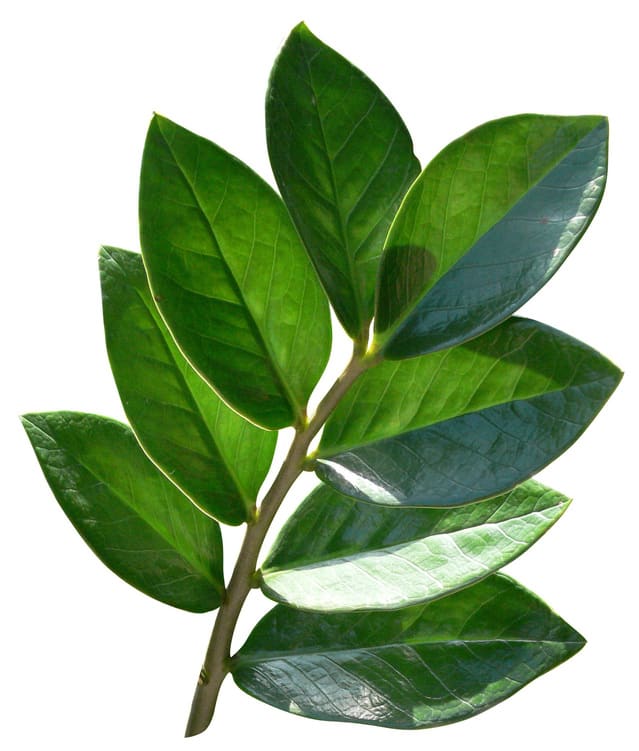
Happy houseplants don’t complain with pests or diseases. Instead, they sport perky, vibrant foliage. Leaves grow in at full size and have a healthy sheen to them. If the houseplant flowers, you’ll find that it regularly buds up and blooms.

Healthy houseplants are also well-anchored in the soil. You won’t find any wobbling. The roots are firmly planted. At the root zone of healthy plants, you’ll find roots that are firm and white or tan.

Signs of Sick Houseplants


Limp leaves that are dull indicate a distressed houseplant. Likely problems are that the plant is dry and needs watering, or the soil is too wet and the roots are suffering from rot. Fix the watering problem and the plant will become more content.

Distorted, shriveled leaves that yellow and fall off are indicative of cultural problems that can lead to plant demise–including insufficient lighting and incorrect watering.

Plants that are wobbly at the base are most likely infected with fungal or bacterial disease. Brown or black roots that are mushy are another sign of root rot. Stop watering the plants when this occurs.

Plants that are rangy and leggy and lean to one side are indicative of insufficient light. And a pot-bound plant full of roots indicates that the plant needs repotting as soon as possible. Not only are such plants starved for nutrients, the lack of soil leads to insufficient water for the plants.

If the plant is supposed to be budded up and flowering, but it’s not, this can be another sign that your houseplant needs an attitude adjustment.

A sticky, annoying residue on foliage indicates that the plant is being attacked by sap-sucking pests like mealybugs, scale and aphids. The fact is that the sticky substance is essentially “pooped” out by the pests as they feed on your houseplants. Of course, if you see pests on the plants, this is another obvious sign that there’s trouble in paradise.

What about your houseplants? Do you think they’re happy?

One of my greatest joys on a cool fall or winter day is stepping outside and snipping fresh, crunchy lettuce straight from …

Water-wise doesn't mean dull. Discover how to create a gorgeous Southern California drought tolerant landscape.

Recently, I took a break from writing and walked out of my office into what felt like a classic Disney movie. Hovering …

One of my absolute favorite crops to grow is potatoes. I love how harvesting them feels like you’re on a treasure hunt. …
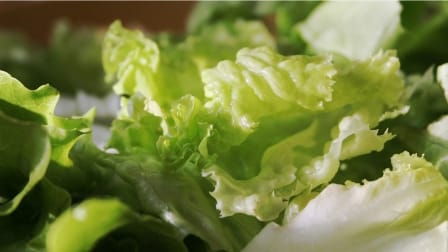
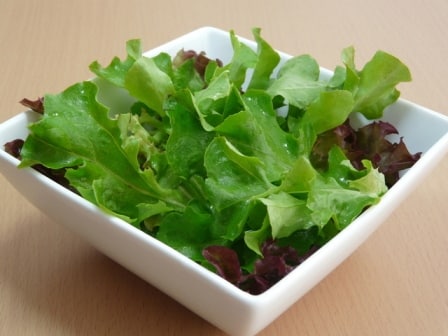
How to Grow Salad Indoors

The following is a guest post by Richard Clayton, who owns a small gardening shop and publishes www.lawnmowertips.com, where they discuss everything you need to know about lawn-care techniques.

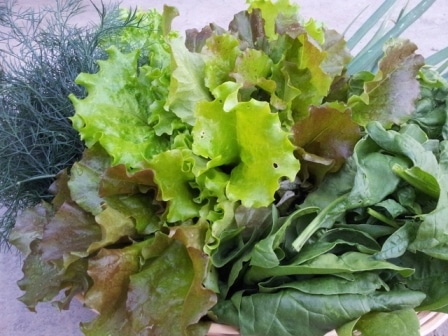
Growing salad in your indoor garden ensures that you have fresh, tasty greens at your fingertips. Chances are you’ll be surprised at just how easy it is to grow lettuce and other salad fixings indoors. To do so, follow these easy steps.

Step 1. Choose your containers


Recycle just about any container for your indoor salad garden, or if you prefer a tidy look, buy containers in uniform shapes and sizes that match your interior. If you don’t have shelving for containers, install some, as this creates more growing space. Ensure that the containers have drainage holes.

Step 2. Select soil for your salad garden


Prepare your containers using potting soil specifically suited to growing greens. Such soil should be rich in nutrients, yet also well-draining. Avoid using outdoor soil from the garden on your indoor garden. Such soil tends to be full of weed seeds, bugs, bacteria, and it may not allow for adequate drainage and air circulation.

Step 3. Sow your salad seeds


Plant in fresh soil each time you seed your indoor salad garden. You can buy various salad seeds, such as lettuce, spinach, Swiss chard or Asian greens. Most of these flourish in cool weather, but some can grow well in hot weather. Indoors seeds should be planted about 1/8-inch deep. After sowing, water the soil surface with a spray bottle until it is saturated.

Lettuce seed germinates within 2 to 3 days indoors. The seeds germinate and sprout best when kept in a room of the house that is about 70 degrees Fahrenheit.

Step 4. Take care of your indoor salad garden

For healthy growth of your salad greens, keep the temperature in the room cool. Water regularly, as salad greens are shallow rooted and have large leaves. In general, water every couple of days. Also provide sufficient light. Grow your indoor salad garden near the window where it can catch natural sunlight. If you have no outdoor light, place the salad greens under full-spectrum lighting for 12 to 14 hours a day. If the salad greens appear to be crowded, thin out the seedlings.

One of my greatest joys on a cool fall or winter day is stepping outside and snipping fresh, crunchy lettuce straight from …

Water-wise doesn't mean dull. Discover how to create a gorgeous Southern California drought tolerant landscape.

Recently, I took a break from writing and walked out of my office into what felt like a classic Disney movie. Hovering …

One of my absolute favorite crops to grow is potatoes. I love how harvesting them feels like you’re on a treasure hunt. …