
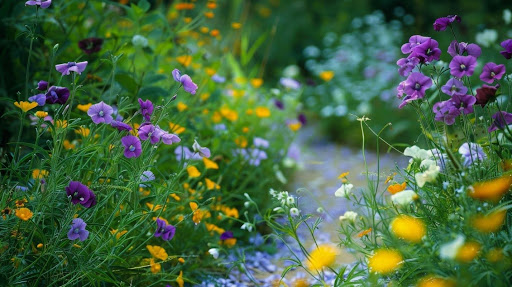
Creating Magic, Movement, and Meaning in Your Outdoor Space
Some of the most memorable gardens aren’t just about the plants. They’re about how you move through the space. A thoughtfully placed garden path invites you to slow down, wander, and discover little moments along the way.
Whether your yard is large or small, pathways add structure, beauty, and a sense of quiet adventure that turns an ordinary landscape into something special.
Lately, I’ve been spending time shaping new pathways in my own garden, and it always reminds me how transformative they can be. There’s something almost magical about meandering along a path, brushing past fragrant plants, and wondering what’s waiting just around the bend. A simple walkway can change how you experience your garden, making it feel welcoming, peaceful, and full of discovery.
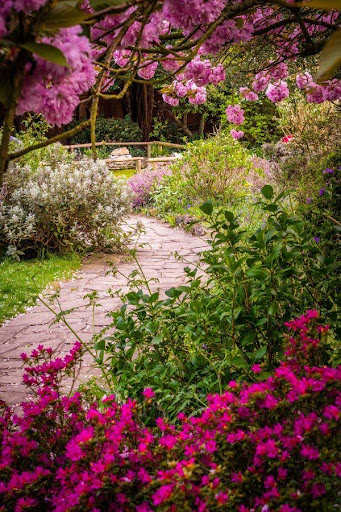
Garden paths are certainly practical, guiding us from one area to another, but they also add intrigue and definition. They help transition the yard into a series of “outdoor rooms,” each with its own personality. Even in smaller spaces, a winding walkway can make the garden feel larger than it really is, especially when taller plants frame the view and gently hide what lies beyond.
Planning Your Path
Before laying stones or spreading gravel, think about the purpose of your path and where it will lead. Most garden pathways fall into one of the following categories.
Practical Paths
These are the routes you use every day that lead to vegetable beds, a grill area, shed, or side yard. They should feel comfortable underfoot and be wide enough for regular use.
Strolling Paths
These are my personal favorites. A strolling path encourages exploration and invites you to slow down. Let it wind through areas of interest, passing beautiful plants, containers, or garden art. The most successful strolling paths lead somewhere—a shady seating nook, a peaceful water feature, or a favorite garden view.
Forked Paths
If you want to add a little mystery, consider a fork in the path. Giving visitors a choice makes the garden feel interactive. One direction might lead to a functional destination like a potting bench, while the other reveals a cozy hideaway.
Installing Your Path
Most garden paths work well at about three feet wide. If you plan to push a wheelbarrow or mower, or want accessibility space, increase the width to four or five feet.
Planting along the path softens the edges and creates a layered look. Start with low-growing groundcovers near steppingstones, then graduate to taller plants further back. If you want a more enclosed, secret-garden feeling, use taller plantings at the outer edge to partially screen other areas of the yard.
Curves are wonderful opportunities for surprise. Tuck in a piece of garden art, a small sign, or an unexpected plant where the path bends.
And don’t forget fragrance. I love placing herbs and scented plants right along the walkway or between steppingstones. As you brush past, they release their aroma and turn a simple stroll into a sensory experience. Mint, thyme, oregano, rosemary, sage, lavender, and scented geraniums are all lovely choices.
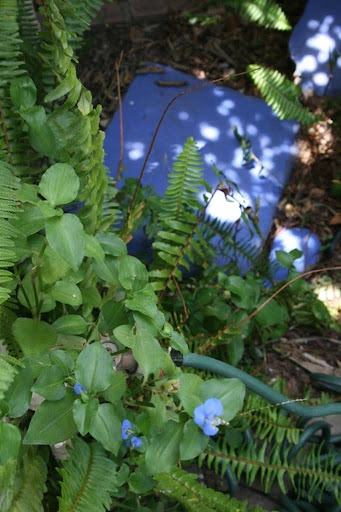
When installing steppingstones, space them to match a natural stride and set them flush with the soil surface to prevent tripping and create a clean, finished look.
Choosing Pathway Materials
One of the most enjoyable parts of designing a path is selecting materials. Decomposed granite, gravel, bark, wood, rock, pavers, and steppingstones all bring a different personality to the garden. Choose materials that complement your home’s style and the overall feel of your landscape. For instance, river rock or wood for a natural woodland look, or clean-lined pavers for a more structured garden.
Decorative steppingstones can add charm, but a little goes a long way. I like to mix a few special pieces among simpler stones, so the path feels cohesive without becoming busy. And if longevity is your goal, concrete steppingstones are among the most durable options.
Whether your garden is newly planted or well established, adding pathways can completely transform how you experience your outdoor space. A simple path invites you to slow down, explore, and reconnect, turning everyday moments in the garden into something quietly magical.