
Recently, I took a break from writing and walked out of my office into what felt like a classic Disney movie.
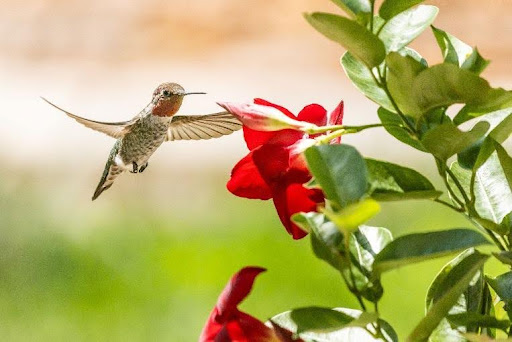
Hovering in front of my face was a hummingbird, the whir of its wings filling the air. I looked down to see several house wrens and two doves pecking on millet I had scattered on the ground earlier.
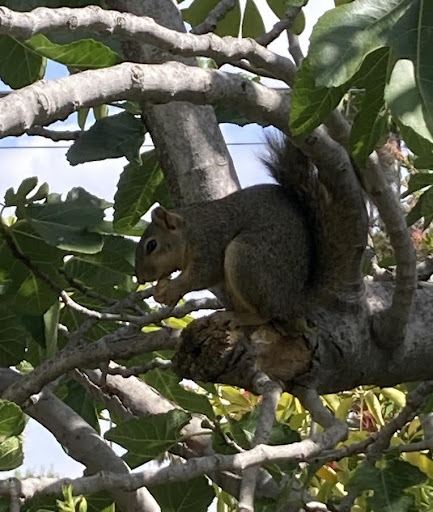
Then a sound from my fig tree had me looking up to see my resident squirrel nibbling on a peanut. Motion at my feet followed, which had me glancing down to see a lizard scurry by.
If all that wasn’t enough, a beautiful swallowtail butterfly made an appearance, and then a raven landed on my fence, looked at me for a few moments, and flew away.
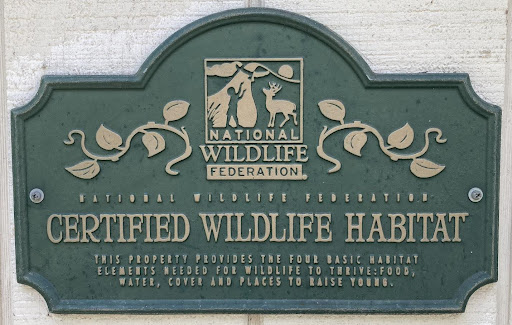
This is but one “scene” from my Southern California Wildlife Habitat, certified by the National Wildlife Federation in 1999. Though my garden has always been a haven for wildlife, it seems to be even more popular in recent years. Apparently, the word has gotten out this is a good place to be.
Of course, there also continues to be a decrease in wildland areas for wildlife, which is what makes starting your own SoCal Wildlife Habitat so important.
About the Wildlife Habitat Program
Founded in 1973, the program’s purpose remains the same today. In order to fulfill the National Wildlife Federation’s goal of protecting wildlife for future generations, it’s necessary to restore habitat within cities and towns where development has gobbled up wildlands.
The best way for this to happen is for individual Southern California gardeners (like you) to create environments in their yards where wildlife can dine, rest, seek cover and raise their young.
The Wildlife Habitat Program gives backyard gardeners an easy way to do something to improve the world in which we live. Participating in the program allows you to personally create a refuge for animals in your own garden, and the results are immediate.
You don’t need a large, elaborate garden to become certified. You can create a habitat using pots on a balcony or small patio.
To create a Southern California wildlife-friendly garden eligible for certification, you need to supply these four elements.
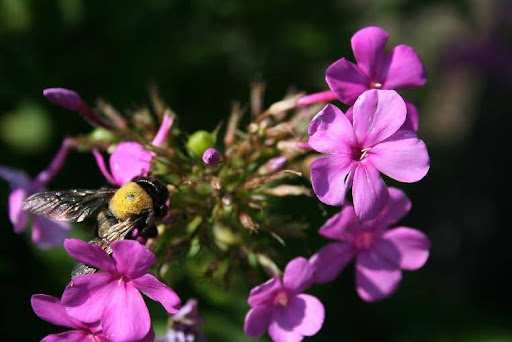
Food. While feeders are okay for birds, only a handful of species actually use them. It’s also important to plant a wide variety of plants like trees and shrubs that produce nuts, berries, seeds, fruit and nectar. Provide supplemental food such as birdseed, if you want.
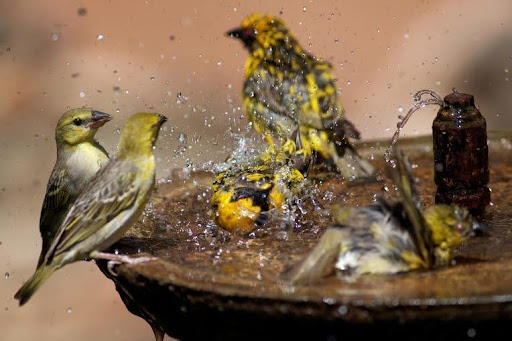
Water. Wildlife require a clean water source in order to drink, bathe and reproduce. Water sources include fountains, ponds with a shallow end and bird baths.
Cover. Wildlife need a place to feel safe from predators and bad weather. Good locations include trees and large shrubs. I have a large bougainvillea where many birds take refuge.
Place to raise young. The same sheltered places that wildlife go to for cover work well for raising young. Also consider adding a nesting box.
Becoming certified is easy. Once you’ve provided the above four elements, apply online here: http://www.nwf.org/Garden-For-Wildlife/Create.aspx.
While you’re at it, purchase a sign to announce to friends, family and even passersby that they are about to enter a certified Wildlife Habitat.